 7.0
HITUTTXL
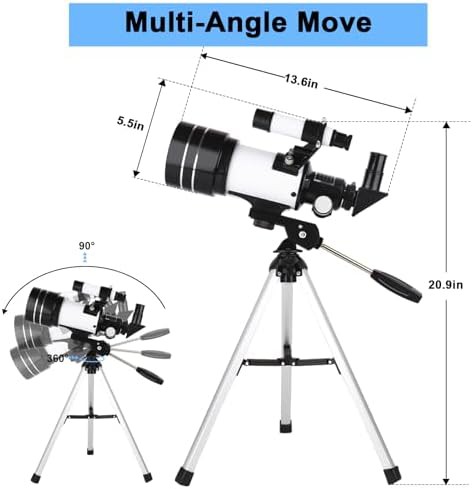
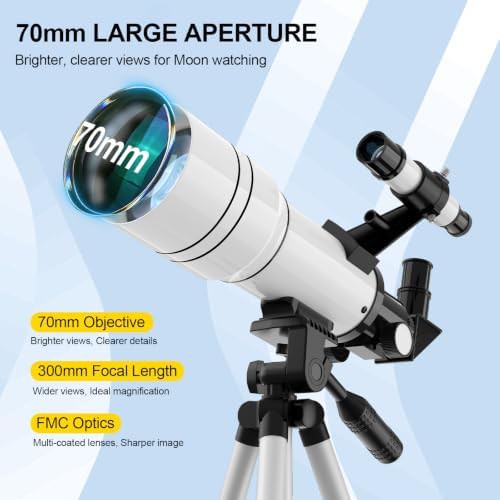
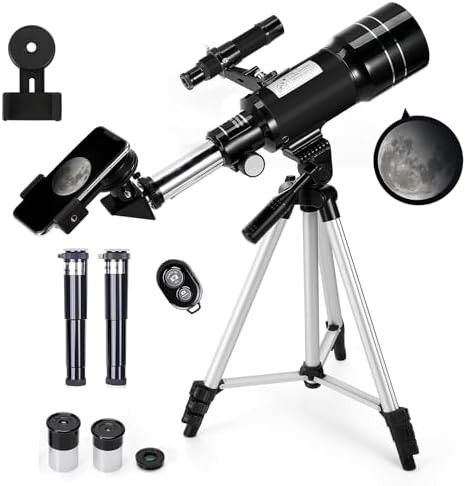
Portable 70mm refractor with adjustable tripod
$54.99
For adults For beginners Refractor For kids For moon viewing Portable
Short-tube designs offering wide fields of view for star hopping 8 telescopes · 7 brands
7.0
For adults For beginners Refractor For kids For moon viewing Portable
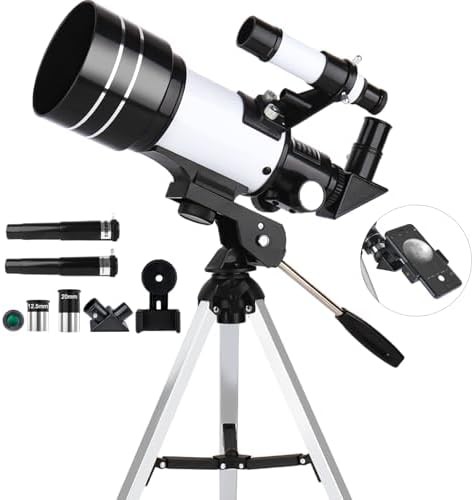 6.9
For adults Refractor Portable Tripod included With phone adapter 70mm aperture
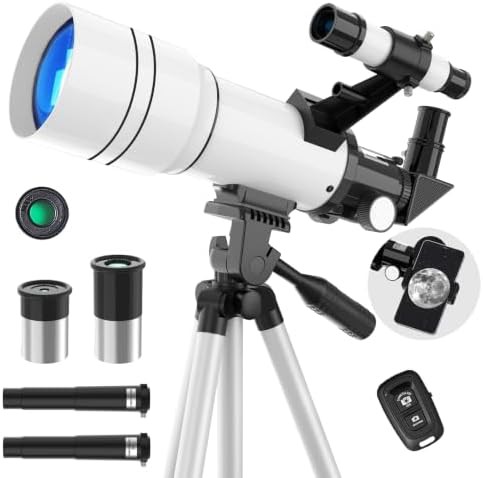
For adults For beginners For kids For moon viewing With phone adapter 70mm aperture
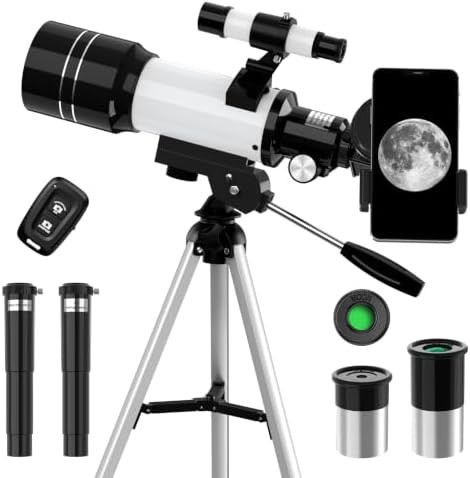
For adults For beginners Refractor For kids For moon viewing Portable
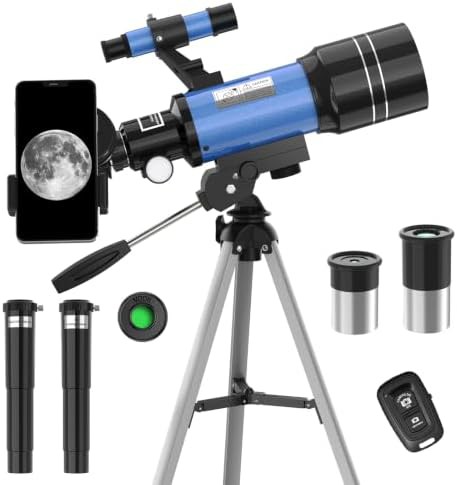
For adults For beginners Refractor For kids For moon viewing Tripod included
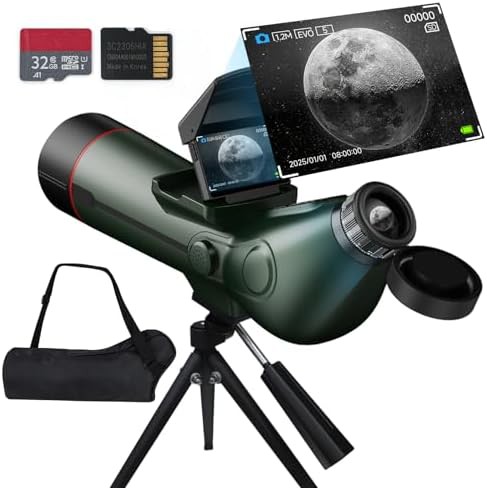
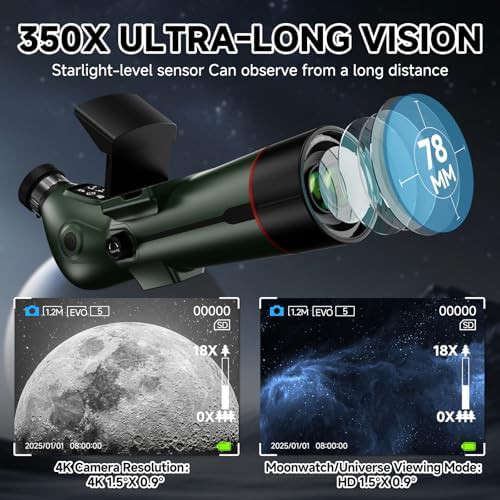
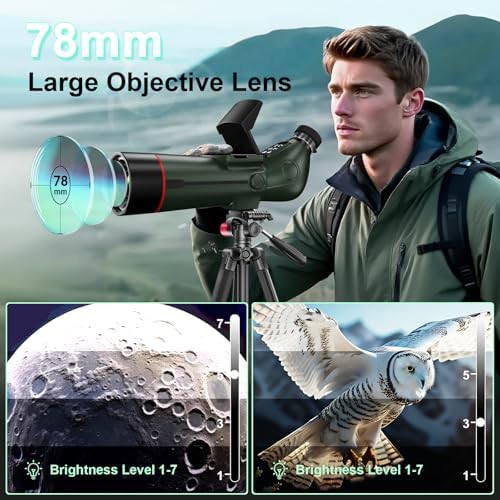
For adults Refractor For moon viewing Portable 80mm aperture Smart
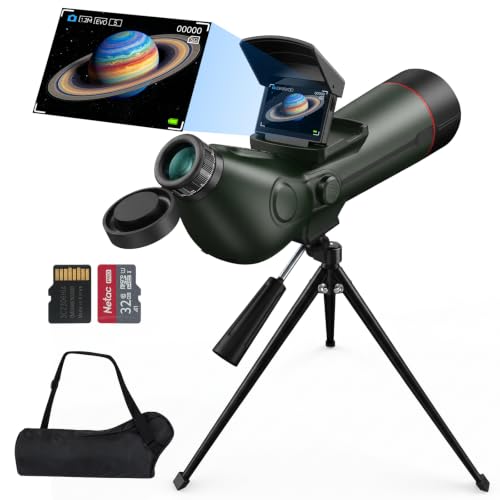
80mm aperture Beginners Digital With phone adapter Refractor
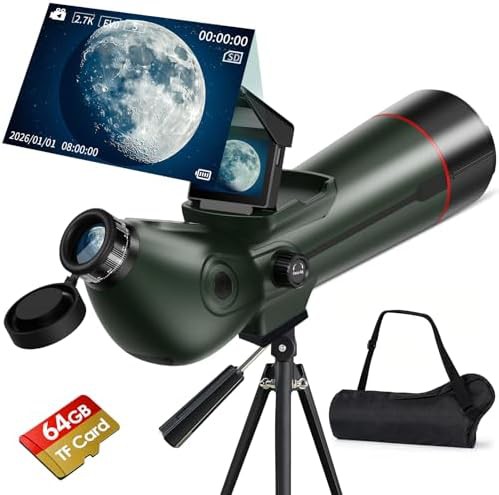
For adults For beginners For kids For astrophotography Smart Digital
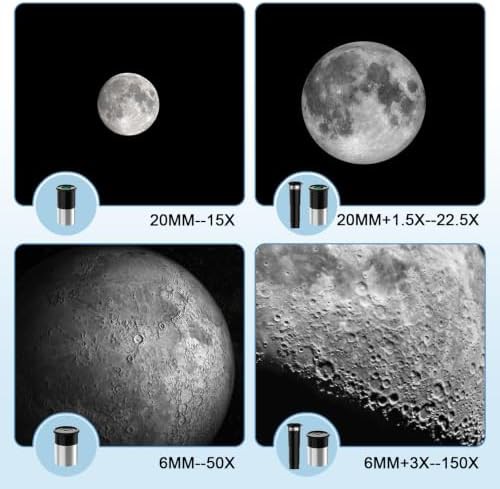
The moon shows craters and maria, and bright stars and open clusters fit nicely in the wide field. Planets like Jupiter and Saturn appear small, so they are better as bright points than detailed disks.
Yes, the short tube and sealed optics mean no collimation and a quick setup. The wide field makes it forgiving to aim, which helps when you are learning to find objects.
Most refractor samples include a phone adapter for holding a phone over the eyepiece to capture the moon or bright objects. Digital electronic models use a built-in camera and screens instead, so no adapter is needed.
The short focal length is forgiving for wide-field shots of the moon and constellations, and a phone adapter handles basic snapshots. Digital electronic models capture images directly to a memory card with their built-in camera.
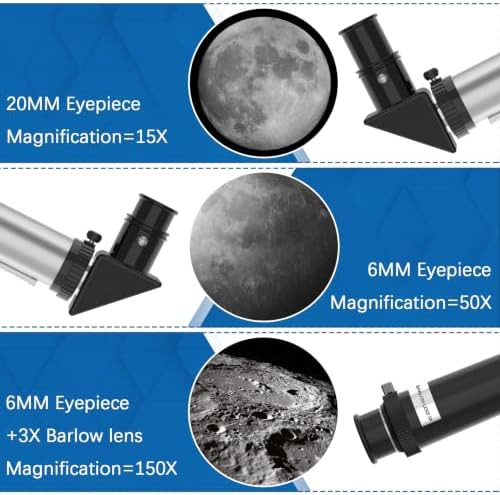
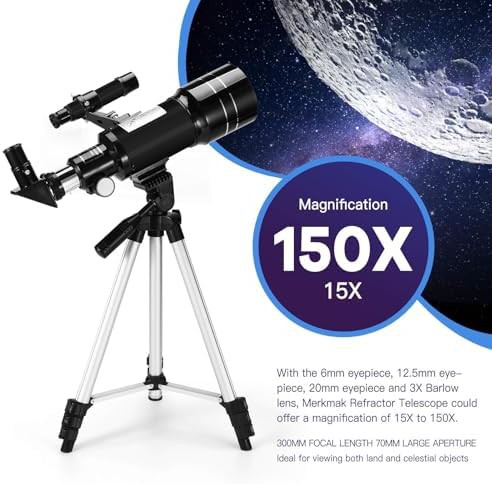
The magnification range commonly cited is 15X to 150X, which covers low-power sweeping up through moderate lunar and planetary views. Fully multi-coated optics show up across the refractor samples, which helps contrast on the moon and brighter stars. A phone adapter is standard on most, letting you hold a phone over the eyepiece for a quick snapshot.
For a beginner who wants the moon and a few bright stars without fuss, the short focal length and light tube are the main appeal. If you want to resolve detail in planets or split double stars, the low magnification ceiling works against you. The wide field is the strength: it makes finding things easy and frames open clusters nicely.