 8.8
Telescopes / Digital
This group
Digital Telescopes
Checked 2026-10-24
Electronic optics featuring screens or camera sensors instead of traditional eyepieces 20 telescopes · 16 brands
For adults
For beginners
For kids
Refractor
For moon viewing
Portable
Tripod included
For travel
Budget
With phone adapter
Altazimuth mounts
90mm aperture
80mm aperture
Equatorial mounts
Reflector
70mm aperture
Professional
For bird watching
For deep sky
For astrophotography
600mm focal length
Black
Smart
Digital
Dobsonian
800mm focal length
Monocular
400mm focal length
White
50mm aperture
STEM learning
Tabletop mounts
Maksutov-Cassegrain
130mm aperture
60mm aperture
900mm focal length
114mm aperture
300mm focal length
Blue
Waterproof
700mm focal length
Red
Green
Best Digital Telescopes
8.8
 7.9
Celestron
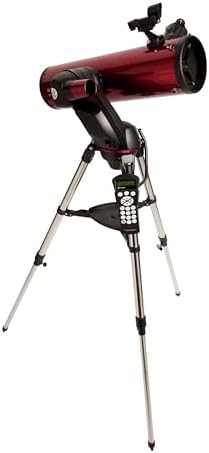
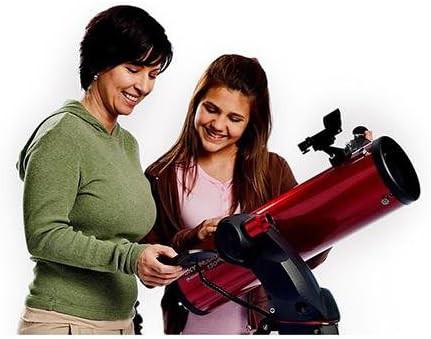
One hundred thirty millimeter digital reflector
$723
Tripod included Altazimuth mounts Reflector 130mm aperture
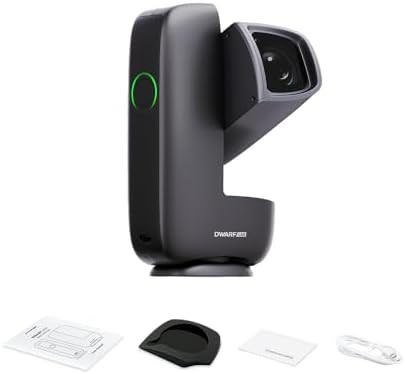
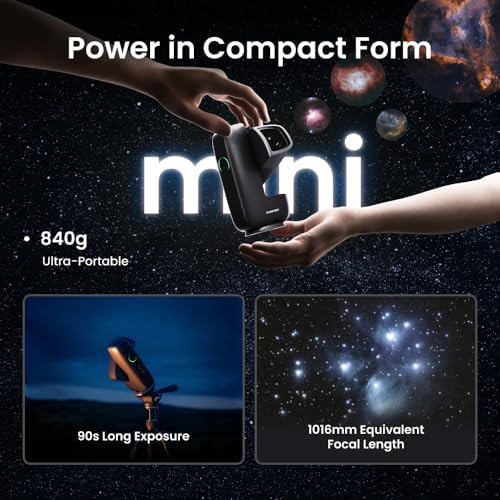
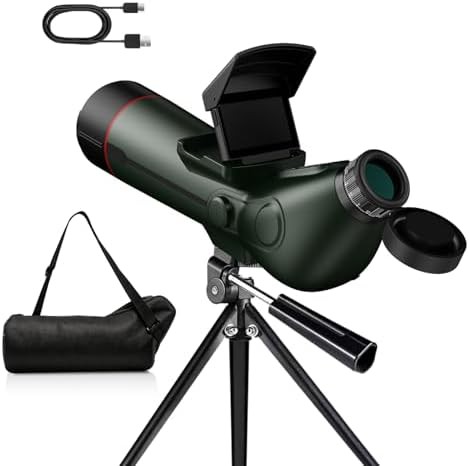
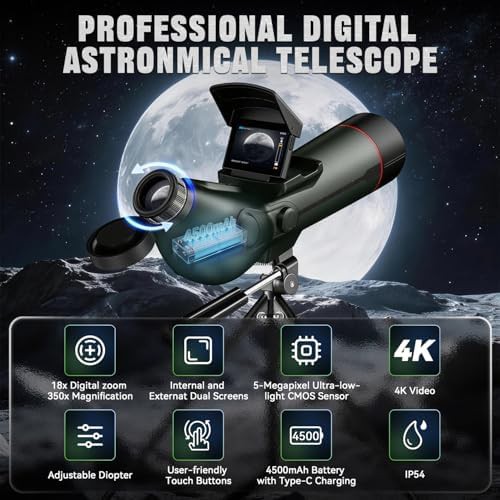
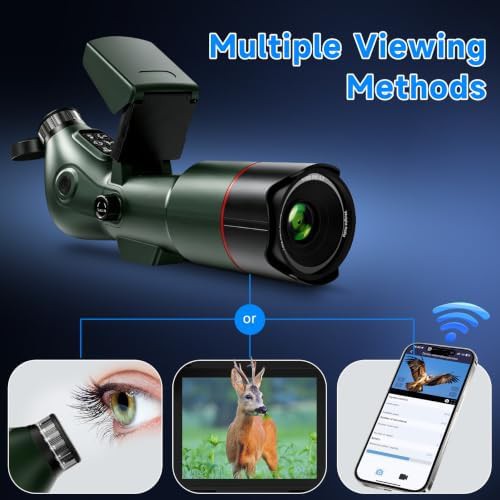
VOTJPYS
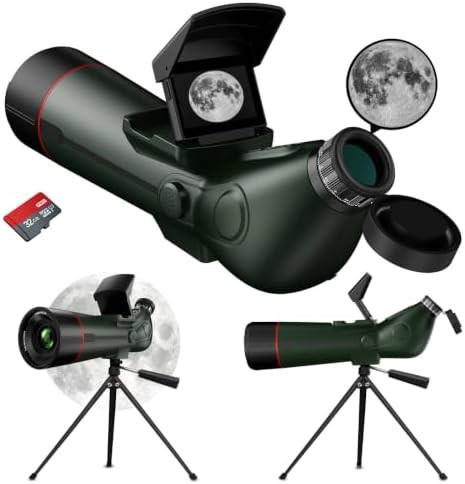
Auto focus smart digital electronic telescope
$241
For adults Tripod included Professional For astrophotography Smart

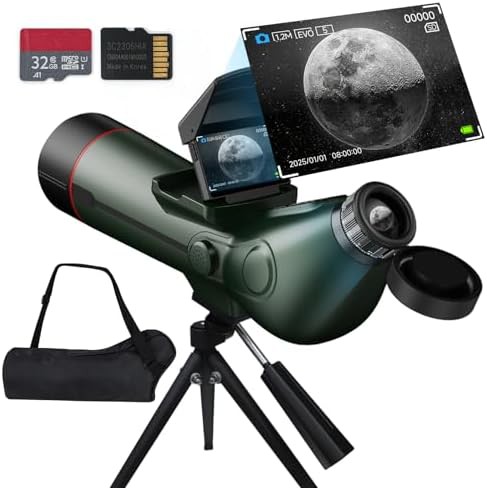
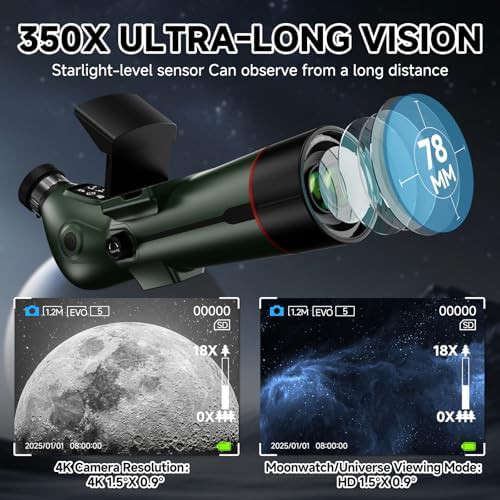
JVAXS
Smart digital telescope with flip screen
$259
For adults For beginners For kids For moon viewing For astrophotography Smart
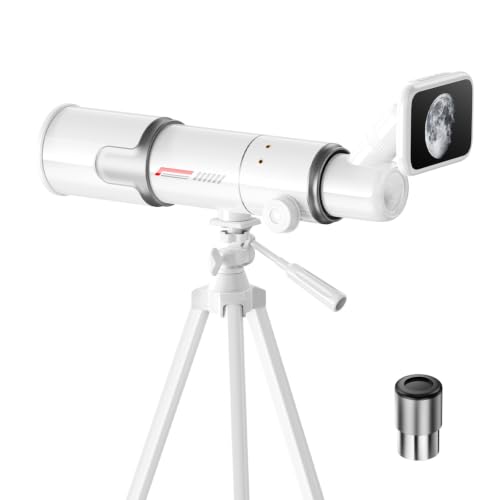
FASHIONARI
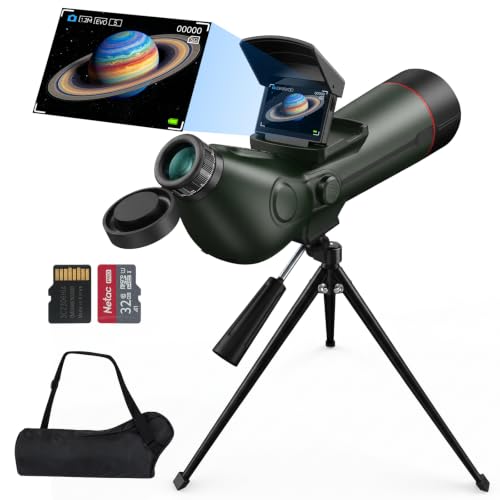
Electronic 80mm portable smart telescope
$300
For adults Refractor For moon viewing Portable 80mm aperture Smart
FASHIONARI
Professional Auto-Focus Digital Refractor Smart Telescope
$300
300mm focal length 80mm aperture Beginners With phone adapter Refractor
 9.4
Shenzhen Nuotong Aesthetic Technology
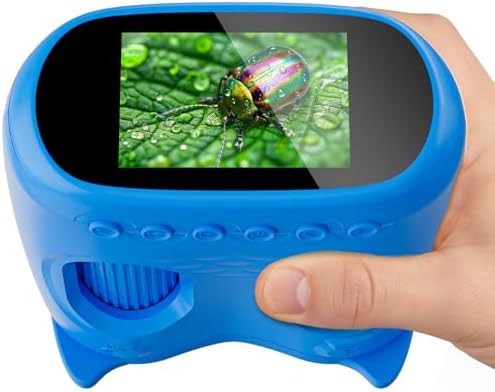
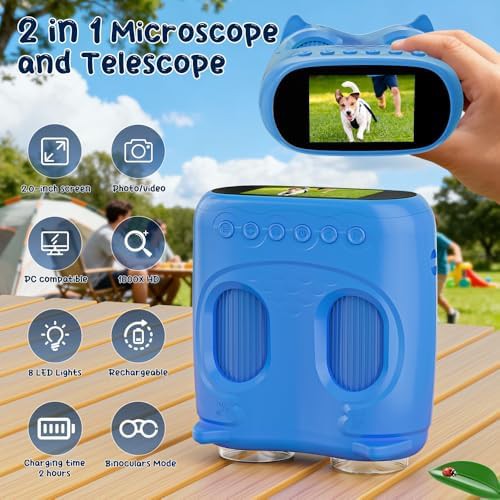
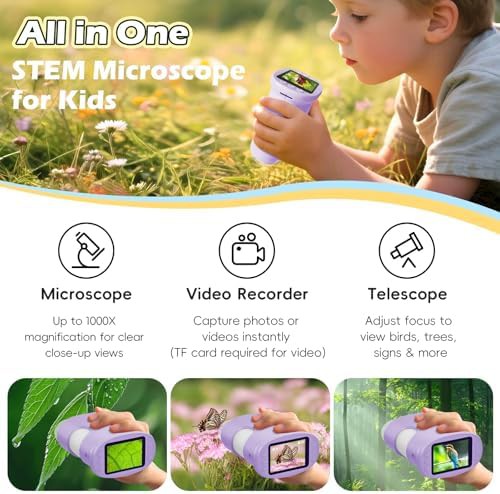
Blue digital microscope and telescope toy
Blue For kids Portable Budget STEM learning
 9.0
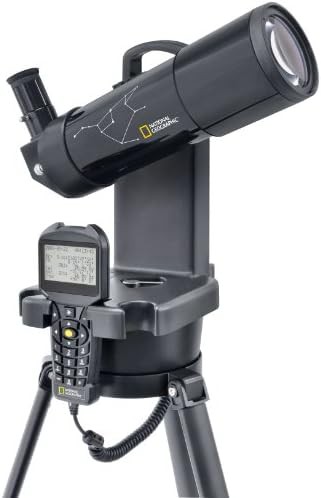
Shenzhen Sulang Technology
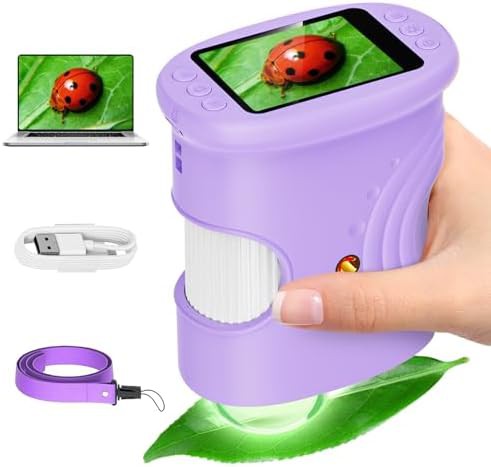
Handheld digital microscope and telescope for kids
For kids Portable For travel Budget STEM learning
 6.6
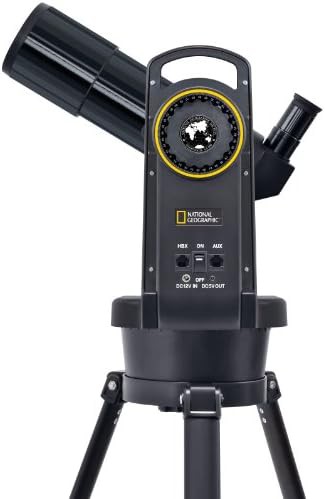
Explore Scientific - Toys
National Geographic 70mm computerized refractor
For adults For beginners Refractor Portable Tripod included For travel
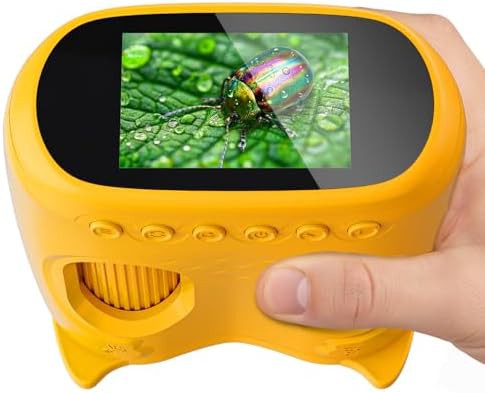
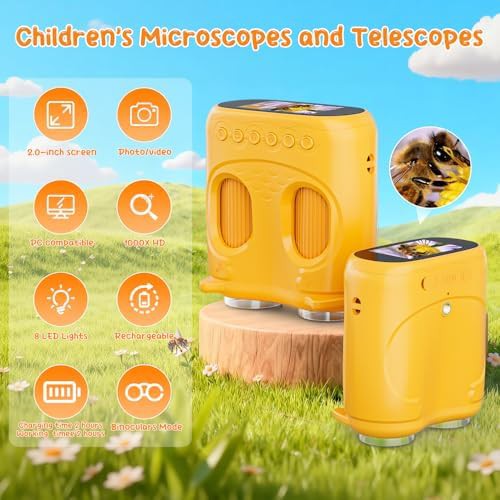
Shenzhen Nuotong Aesthetic Technology
Yellow digital microscope and telescope toy
For kids Portable Budget For bird watching
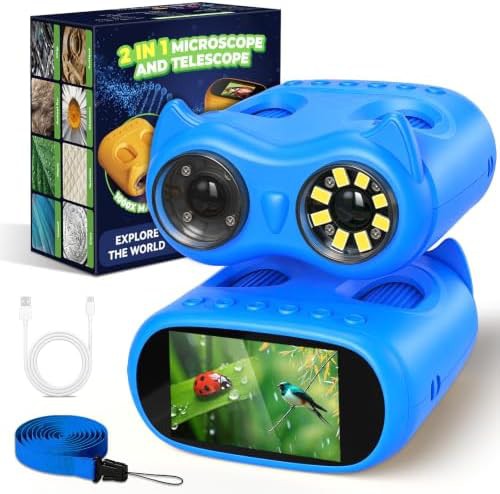
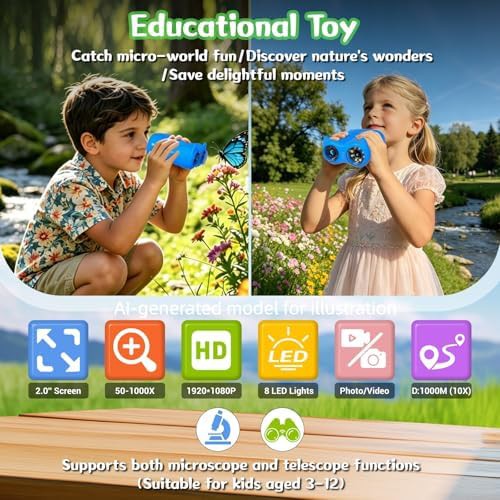
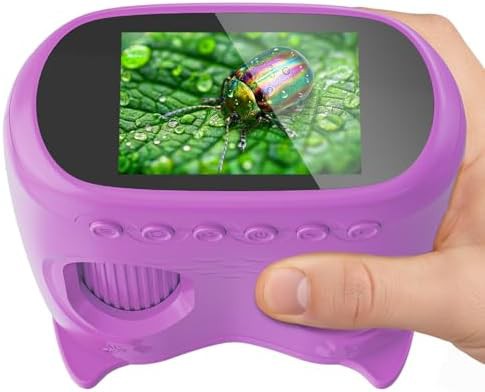
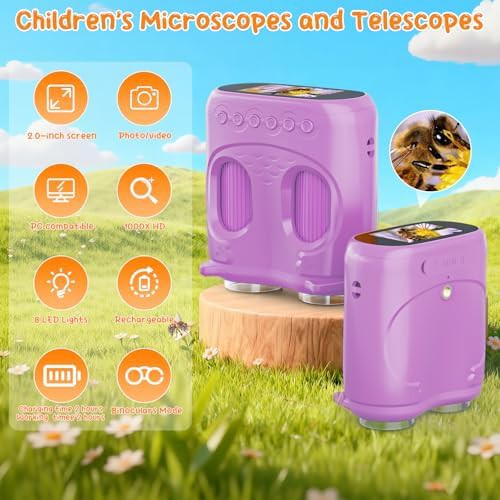
Shenzhen Nuotong Aesthetic Technology
Purple digital microscope and telescope toy
For kids Portable Budget For bird watching
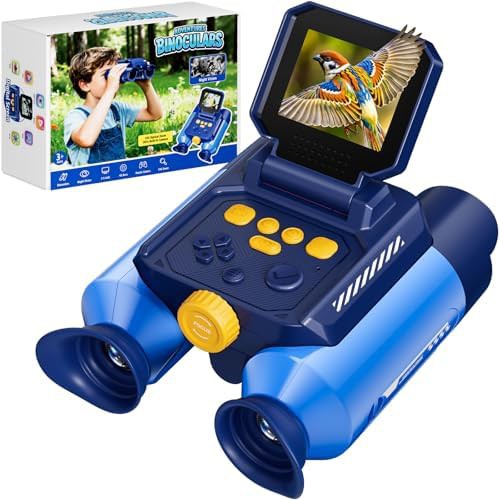
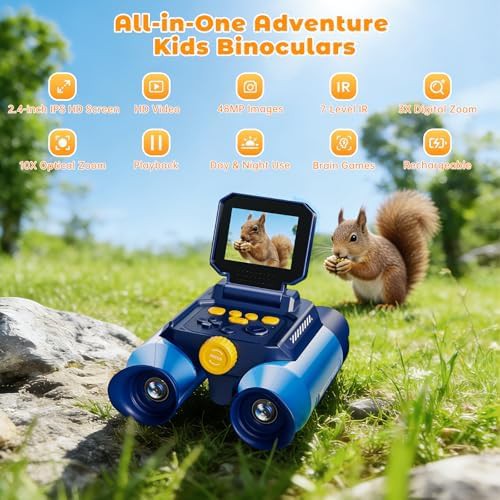
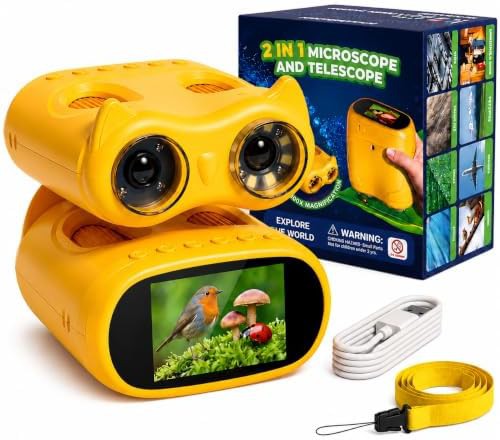
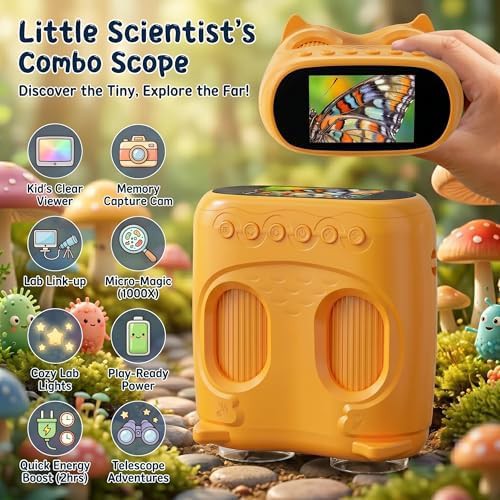
OAEBLLE
Yellow handheld digital microscope and telescope
For kids Budget For bird watching STEM learning
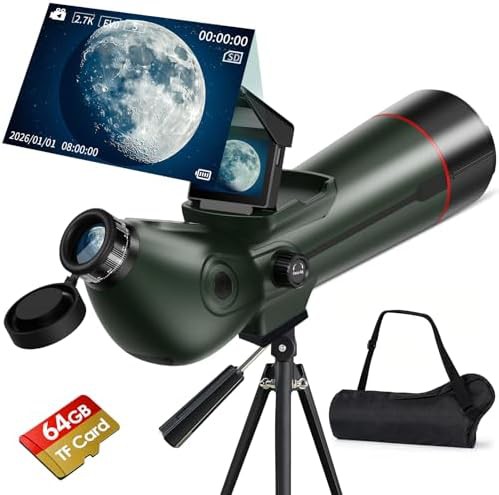
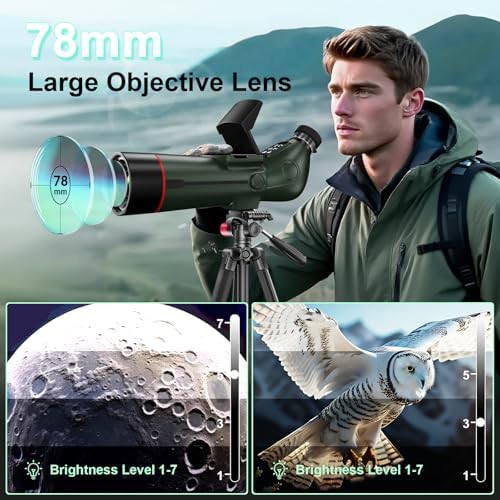
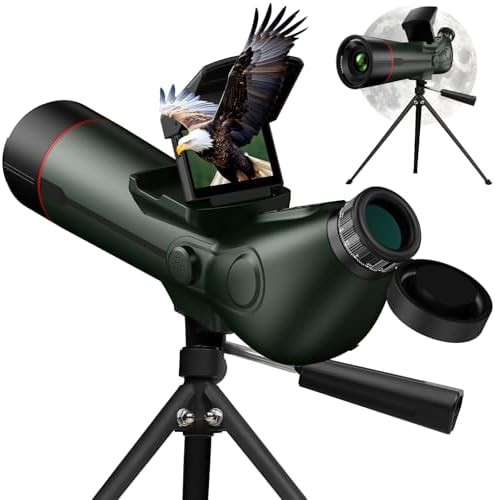
YOTOMIGUO
Smart digital telescope with dual screens
For adults For beginners For kids For astrophotography Smart
Before you buy
Digital telescope questions
Do digital telescopes need an eyepiece?
No, the image appears on a screen or is captured by a sensor instead of through an eyepiece. That makes them easier to share with a group or to view without straining your eye. Some models still allow traditional viewing, but the digital display is the main way to see the target.
Are digital telescopes good for beginners?
Yes, the self-aligning and auto-focus features remove much of the setup work that trips up new users. You can point the scope and let it find objects for you. The trade-off is that you are looking at a screen rather than the sky directly.
Can kids use a digital telescope?
The 2-in-1 microscope and telescope models are designed for kids and come in bright colors. They switch between magnified views of small objects and distant scenes using a digital sensor. An adult may still need to help with setup and focusing.
What is the difference between a smart telescope and a computerized telescope?
A computerized telescope uses motors to point a traditional optical tube at targets, while a smart telescope is a compact digital unit that auto-focuses and captures images. Smart scopes are often more portable and require less manual alignment. Computerized models may still use an eyepiece for viewing.
What the digital feature adds
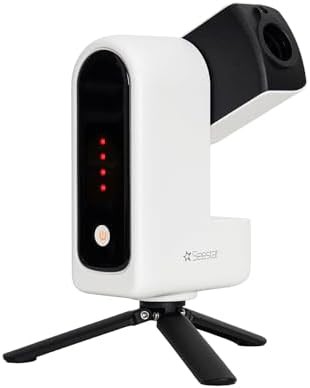
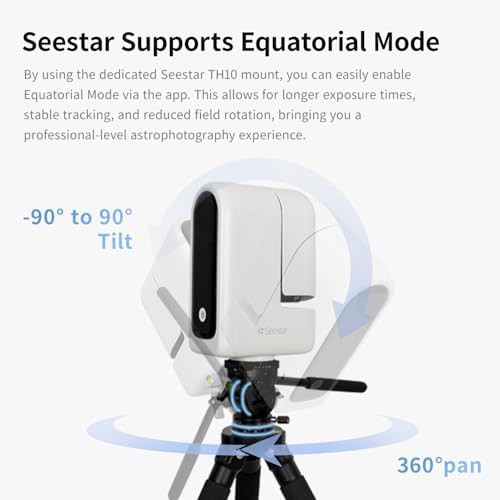
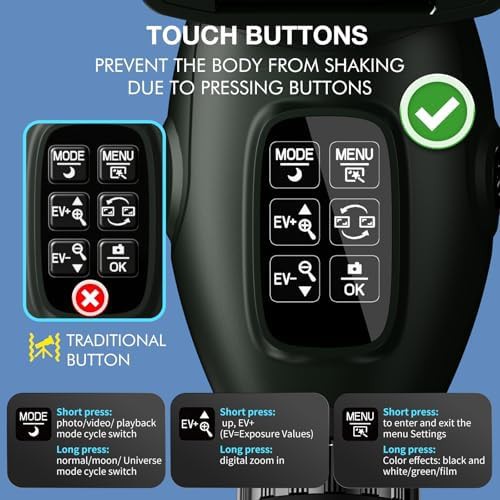
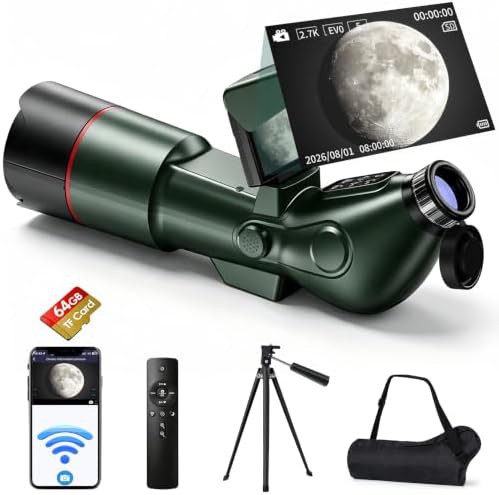
Digital telescopes replace the traditional eyepiece with a screen or camera sensor, so you view the sky on a display instead of looking through a tube. Some models are self-aligning and computerized, pointing themselves at targets after a short setup. Others are portable smart scopes that auto-focus and capture images without manual adjustment.
The 2-in-1 microscope and telescope hybrids use a digital sensor to switch between magnified views of small objects and distant scenes. These are aimed at kids and come in colors like yellow, purple, and blue. The digital output means the image appears on a screen rather than through an eyepiece.
How these scopes are built
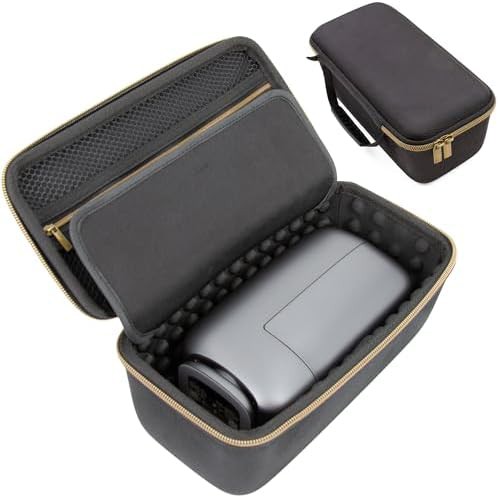
The computerized models often include a tripod stand and automatic alignment, which removes the need to star-hop manually. Smart telescopes are built as compact units with auto-focus and portable bodies, sometimes with a travel case available separately. The digital sensor or screen is the core of the design, not an add-on.