 9.4
9.4
BuiltAstro
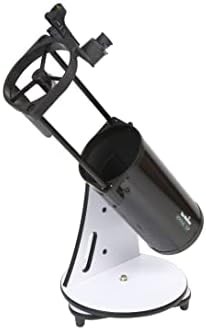
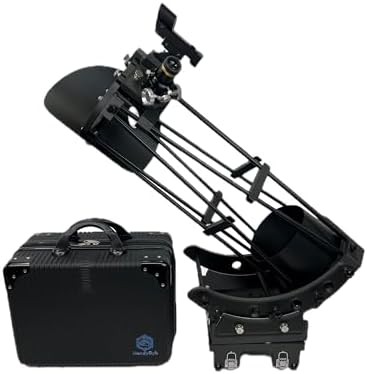
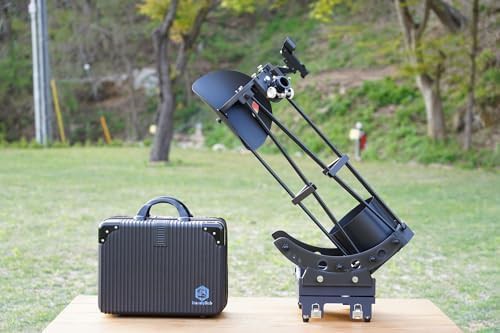
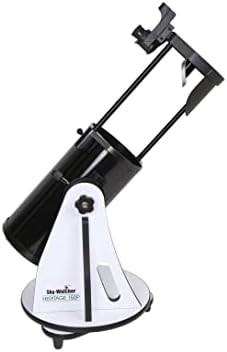
Portable six inch Dobsonian with light shroud
$815
Portable For travel For deep sky Dobsonian
High-contrast optics perfect for exploring lunar craters and mountains 98 telescopes · 50 brands
9.4
Portable For travel For deep sky Dobsonian
 9.3
9.3
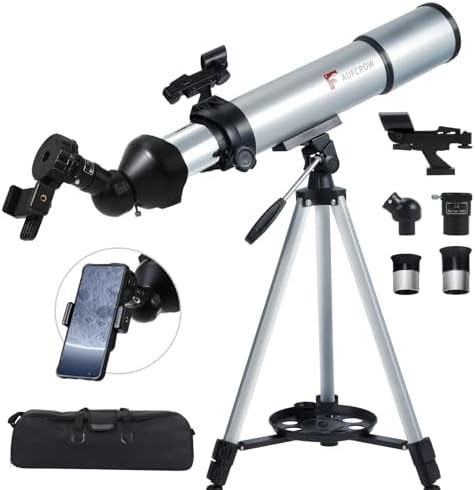
For adults For beginners Refractor Tripod included With phone adapter
 9.2
9.2
Tripod included Equatorial mounts For deep sky For astrophotography
 8.9
8.9
For adults For beginners Refractor For kids Altazimuth mounts
 8.9
8.9
 8.9
8.9
For adults For beginners Refractor For kids Portable
 8.9
8.9
For adults For beginners Refractor For kids 80mm aperture
 8.8
8.8
600mm focal length 80mm aperture Adults Kids With phone adapter
 8.8
8.8
For adults For beginners Refractor For kids For travel
 8.7
8.7
For beginners Refractor 80mm aperture Equatorial mounts
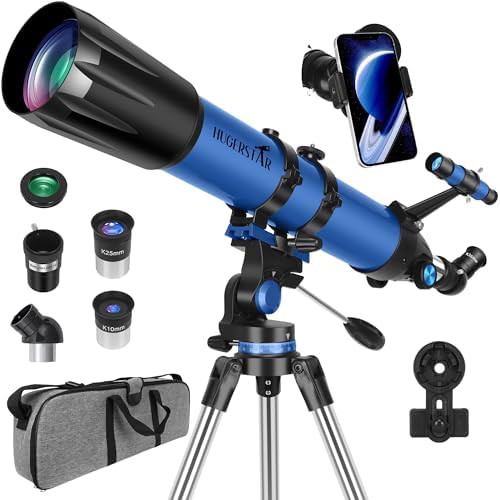 8.7
8.7
For adults Refractor 90mm aperture 800mm focal length
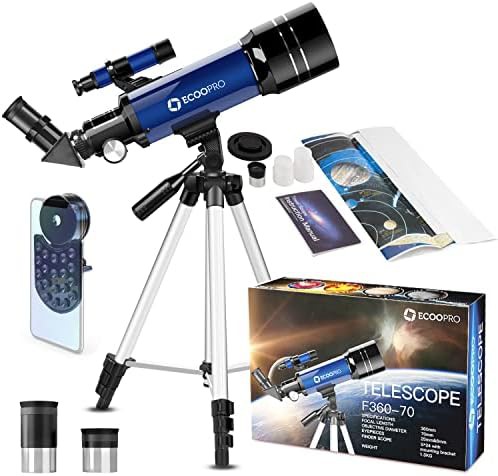 8.6
8.6
For adults Refractor For kids 70mm aperture Budget
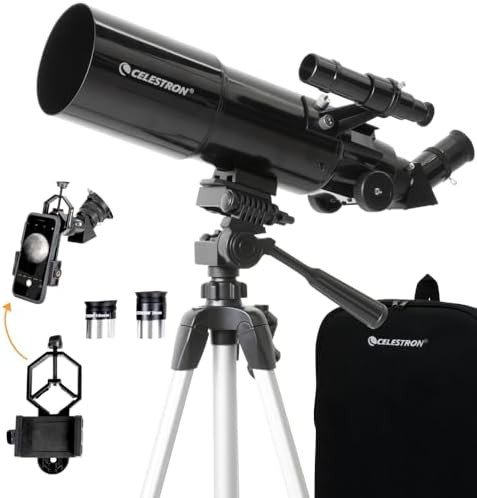 8.6
8.6
For adults For beginners Refractor For kids Portable
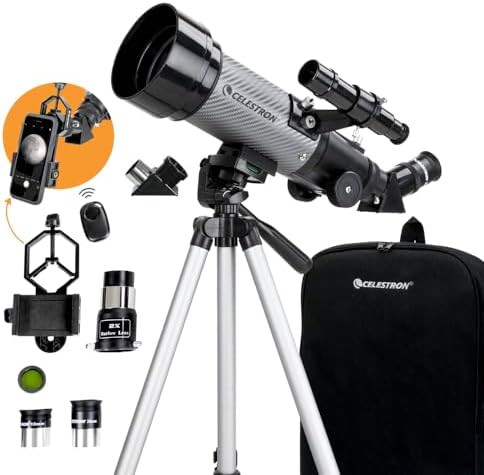 8.6
8.6
For adults For beginners Refractor For kids Portable
 8.6
8.6
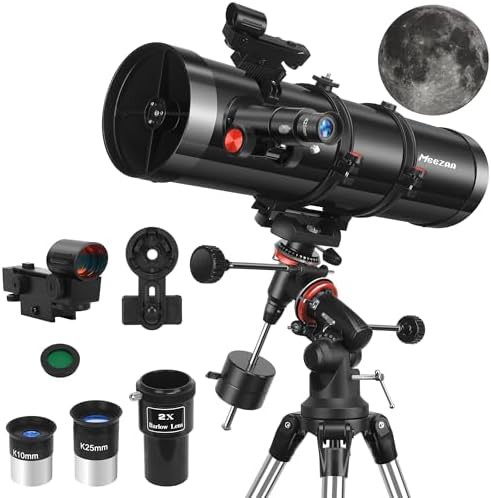
For adults Reflector Equatorial mounts For deep sky
 8.6
8.6
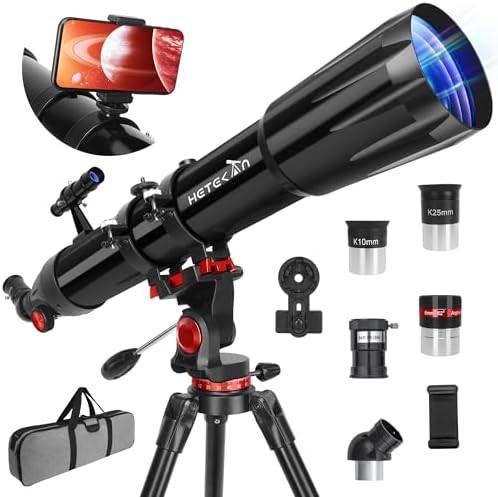
For adults For beginners Refractor For kids 90mm aperture
 8.6
8.6
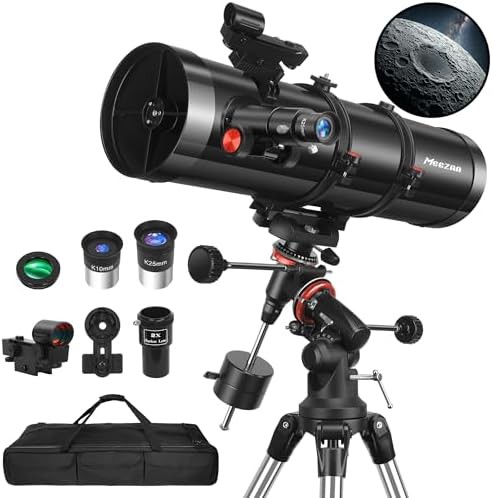
For adults For beginners Tripod included With phone adapter Reflector
 8.5
8.5
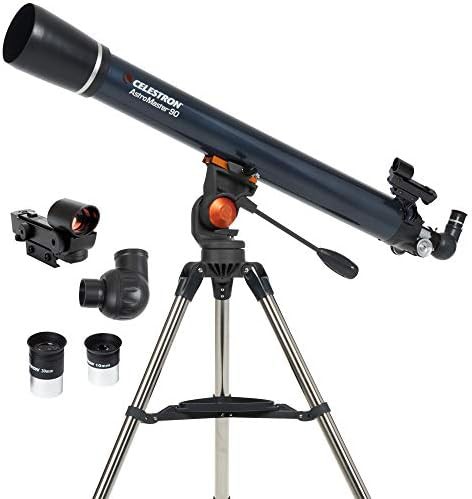
For adults For beginners Refractor For kids Tripod included
 8.5
8.5
For adults For beginners For kids Portable For travel
 8.5
8.5
For adults Reflector Equatorial mounts Professional For deep sky
 8.5
8.5
For beginners For kids Portable Tripod included With phone adapter
 8.5
8.5
For adults For beginners Refractor With phone adapter Altazimuth mounts
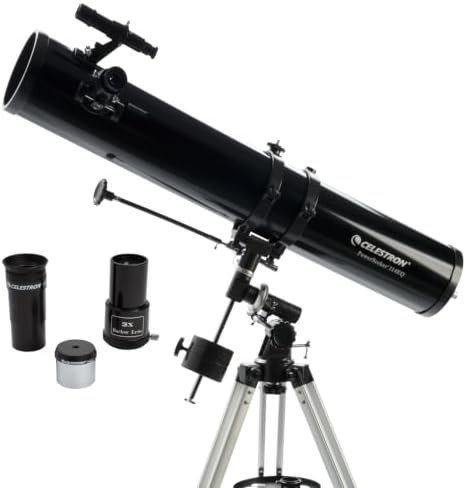 8.4
8.4
For beginners Reflector Equatorial mounts 114mm aperture
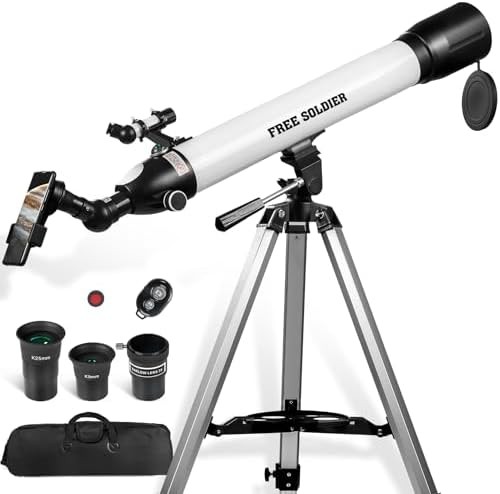 8.4
8.4
For adults For beginners Refractor 90mm aperture White
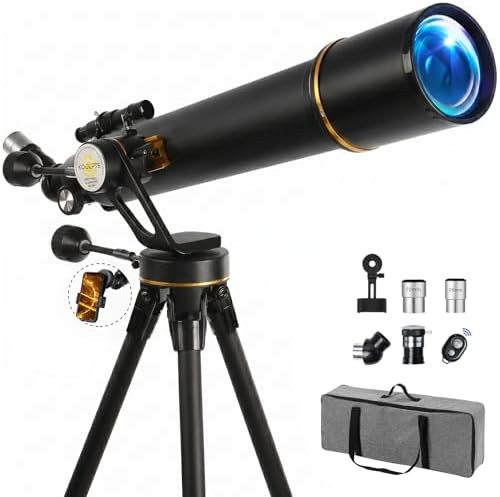 8.3
8.3
Black For adults Refractor Altazimuth mounts 90mm aperture
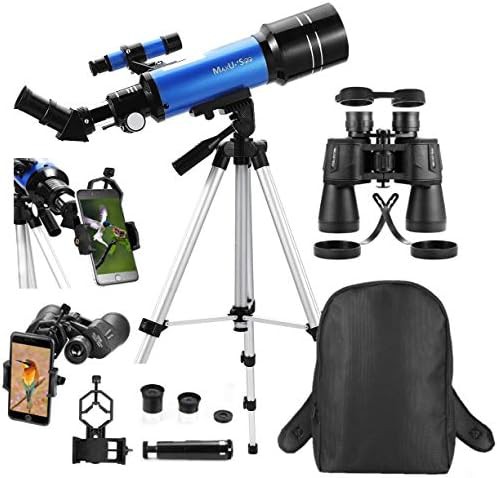 8.2
8.2
Refractor For travel 70mm aperture For bird watching Budget
 8.2
8.2
For beginners Portable Dobsonian Tabletop mounts
 8.2
8.2
For adults For beginners Refractor For kids Portable
 8.1
8.1
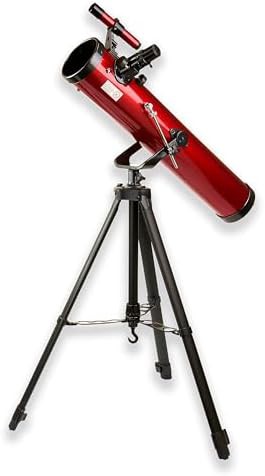
Red For beginners Tripod included Reflector 700mm focal length
 8.1
8.1
 8.0
8.0
For beginners Refractor For kids Portable For bird watching
 8.0
8.0
Red Tripod included With phone adapter Reflector For astrophotography
 8.0
8.0
 8.0
8.0
For adults Refractor Tripod included With phone adapter Altazimuth mounts
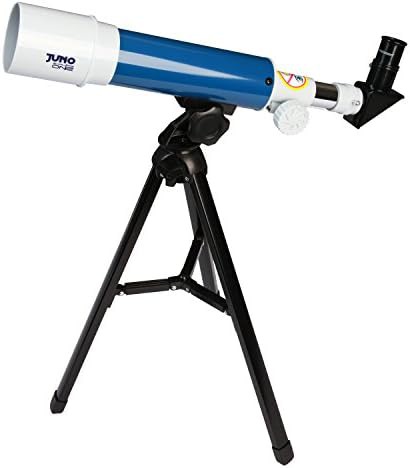 7.9
7.9
For beginners For kids Tripod included Altazimuth mounts 50mm aperture
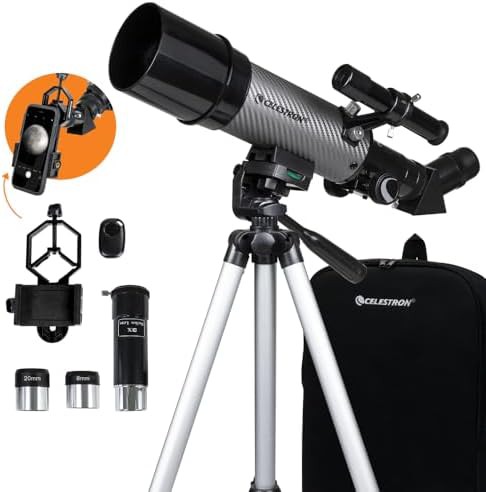 7.9
7.9
For adults For beginners For kids Portable For travel
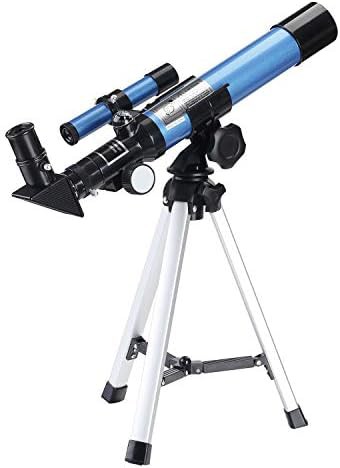 7.7
7.7
For beginners Refractor For kids Tripod included Budget
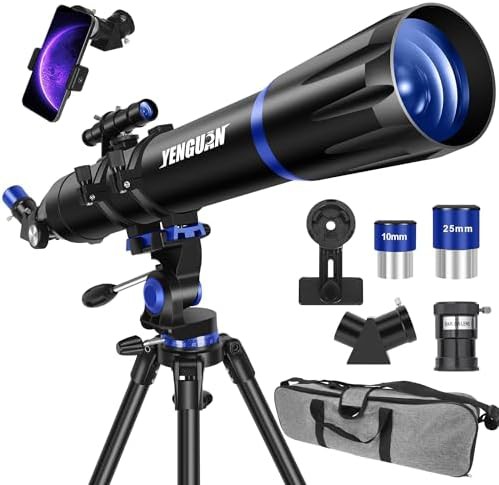 7.5
7.5
For adults Refractor For kids Portable Tripod included
 7.4
7.4
For adults For beginners Refractor For kids Portable
 7.4
7.4
For adults For beginners Refractor For kids Portable
 7.4
7.4
For adults For beginners Refractor For kids Portable
 7.3
7.3
With phone adapter Reflector For deep sky For astrophotography 114mm aperture
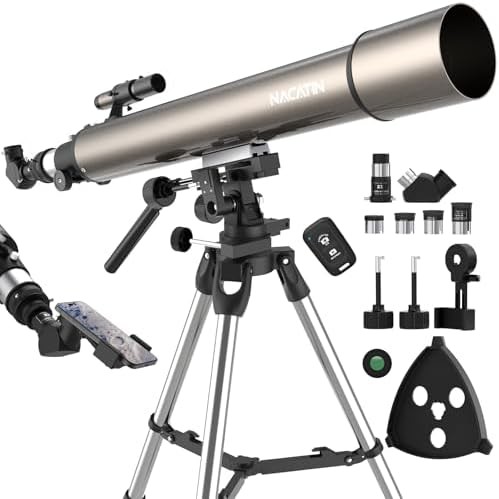 7.3
7.3
For adults Professional For deep sky 900mm focal length
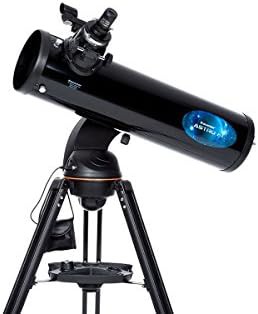 7.0
7.0
For beginners Reflector Smart 130mm aperture
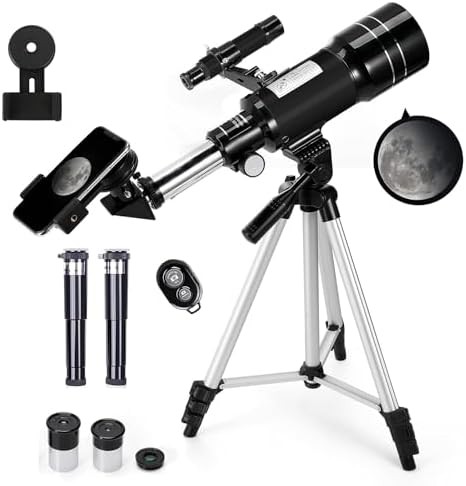 7.0
7.0
For adults For beginners Refractor For kids Portable
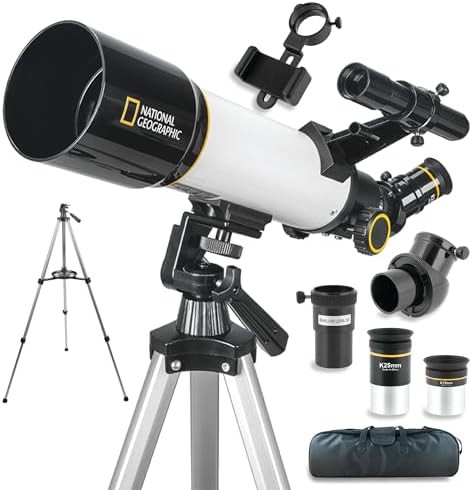 6.9
6.9
For adults Refractor For kids 70mm aperture For deep sky
 6.7
6.7
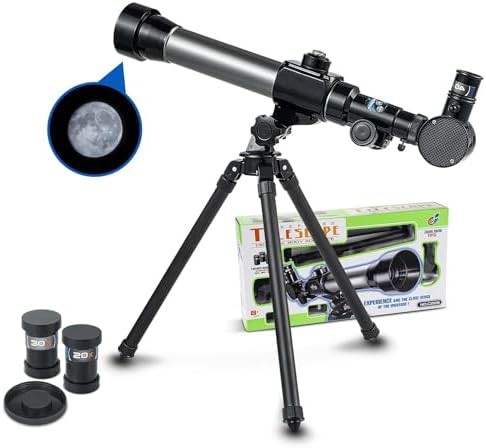
For beginners For kids Portable Tripod included Budget
 6.0
6.0
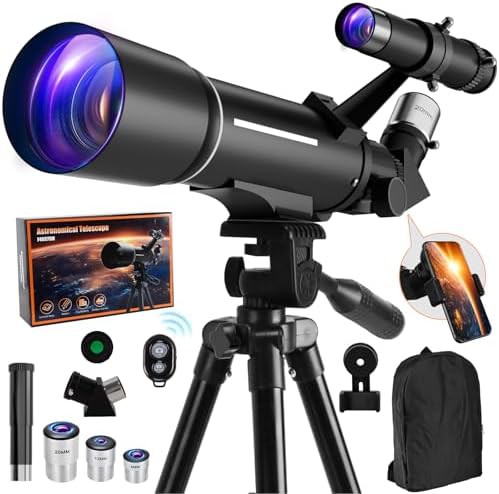
For adults For beginners Refractor For kids Tripod included
Yes. A 60mm refractor with fully-coated optics resolves the larger craters and the shadow line along the terminator. Smaller pits and rilles will look soft, but the overall lunar landscape is clearly visible.
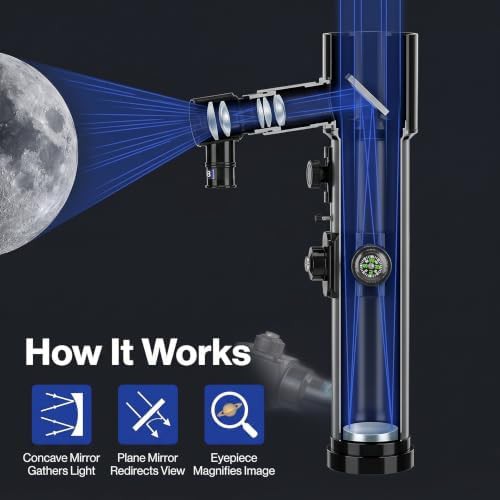
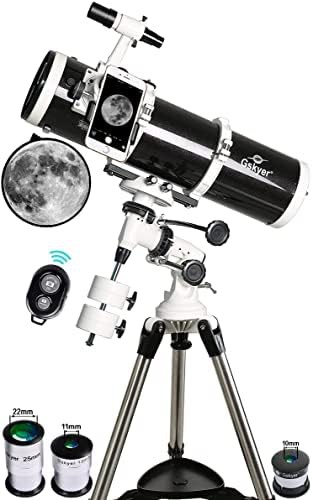
Both work. Refractors hold contrast well and need no collimation, which suits quick lunar sessions. A reflector gives more aperture for the money but asks you to check alignment before you observe.
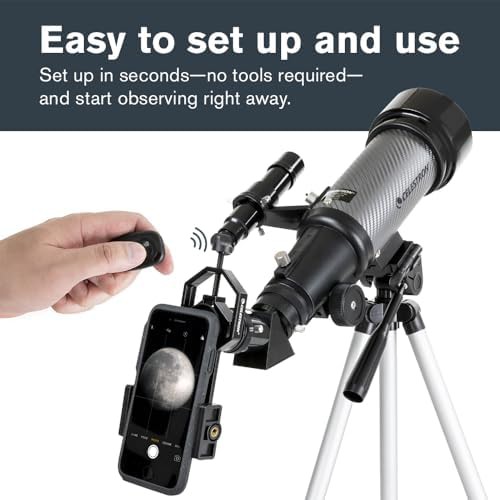
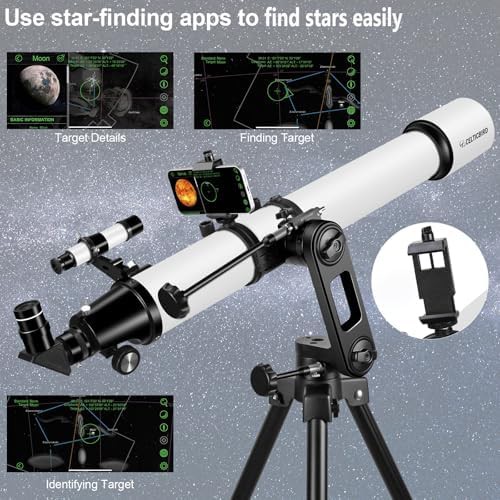
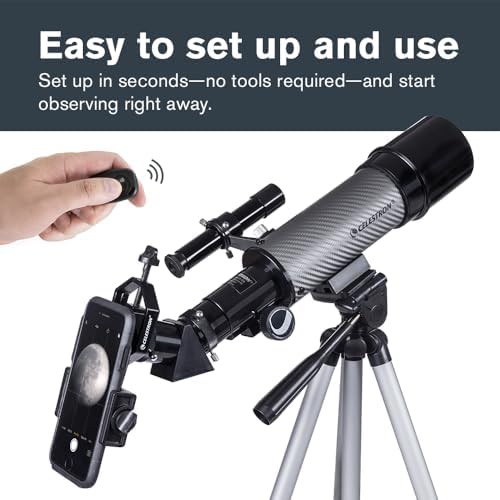
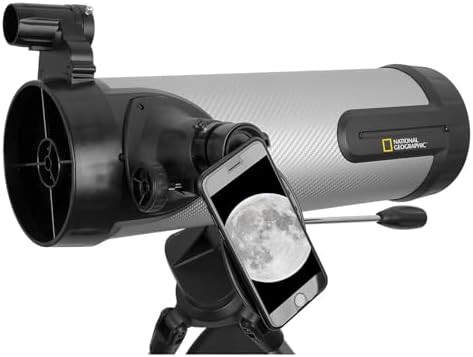
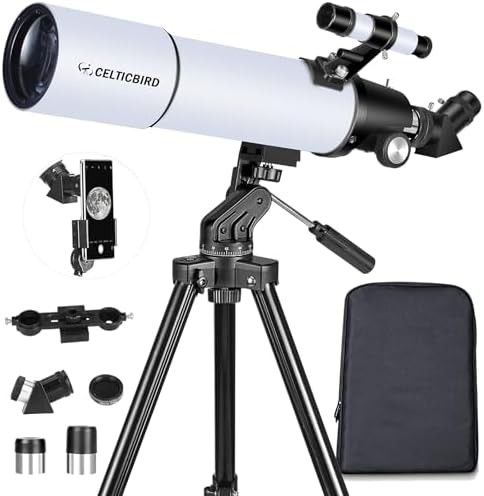
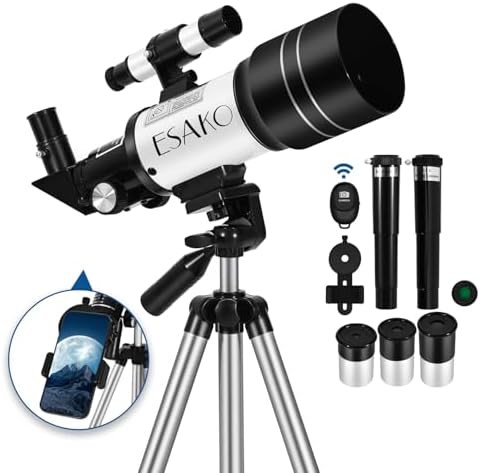
It holds a phone over the eyepiece so you can capture a steady image of the moon without hand-shake. That is useful for sharing what you see or comparing crater detail across nights.
At low to medium magnification, yes. The lightweight tripod in a travel kit can vibrate if you bump it or use very high power. For long looks at a single crater, a full-size tripod is steadier.
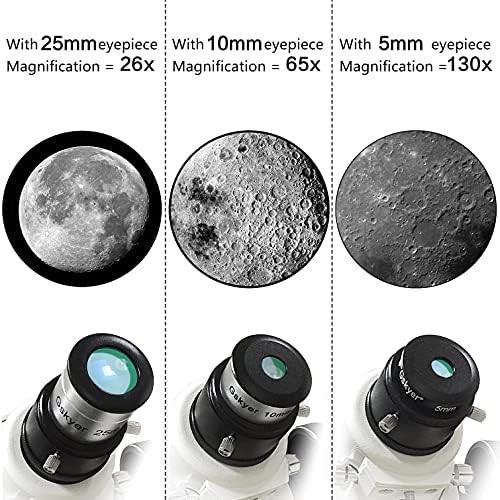
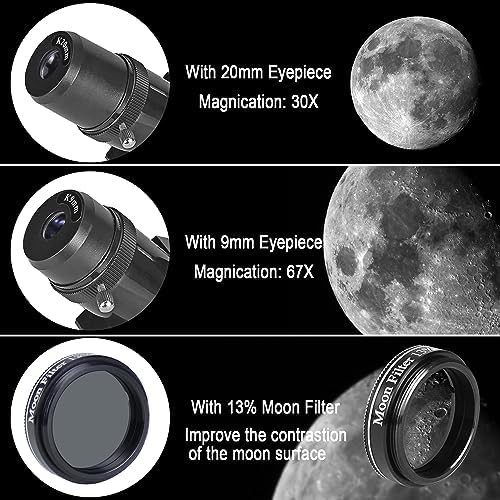
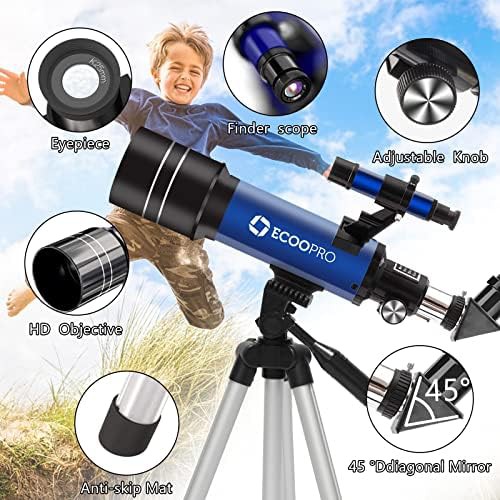
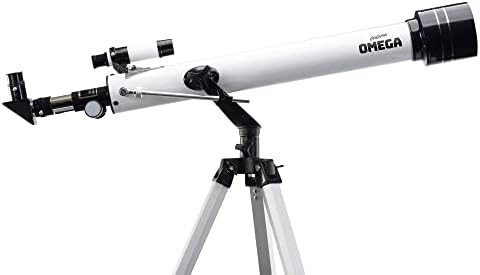
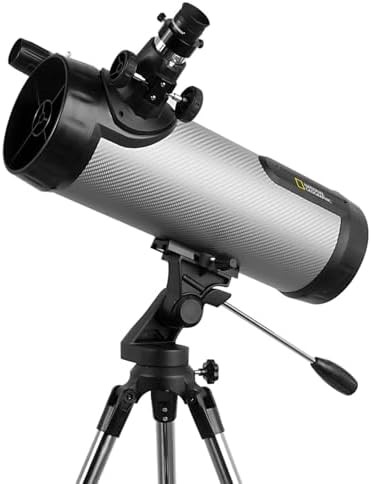
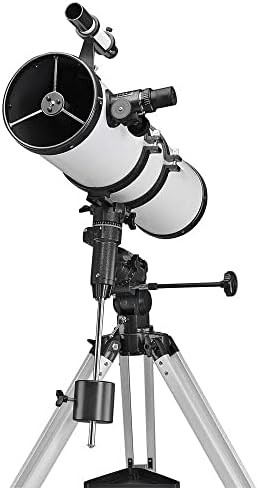
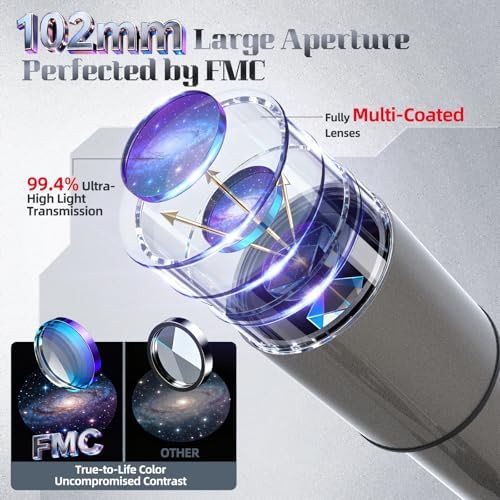
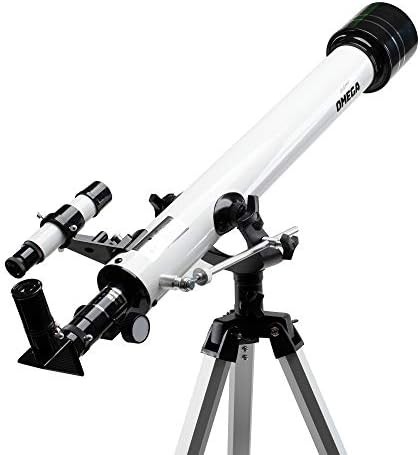
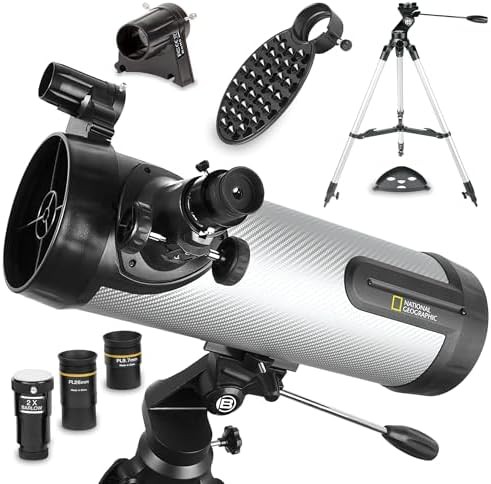
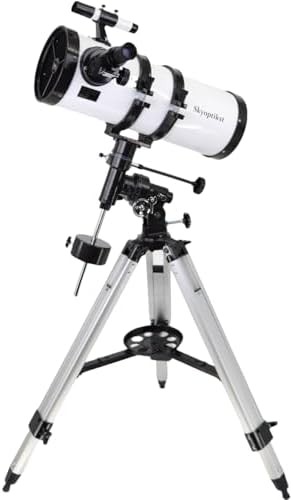
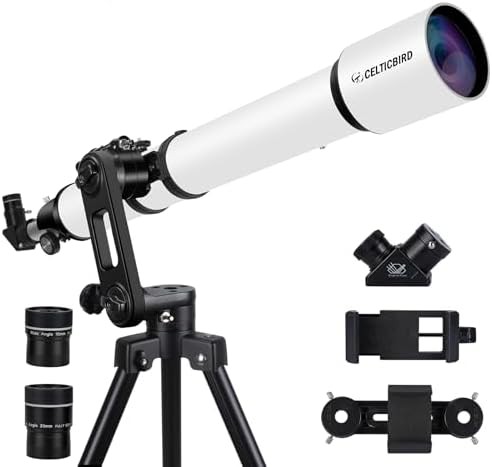
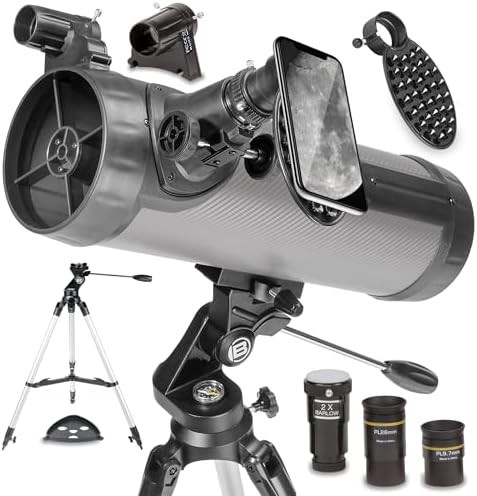
The moon is bright, close, and full of fine detail, so the telescope that serves it best is one that controls contrast and holds steady at higher magnification. A refractor with fully-coated glass optics keeps the terminator line crisp, where crater shadows are longest and most dramatic. A reflector can also work well here, though the open tube design means collimation matters more if you want sharp crater rims.
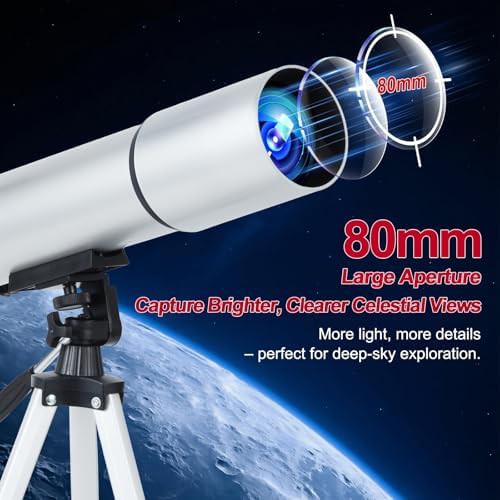
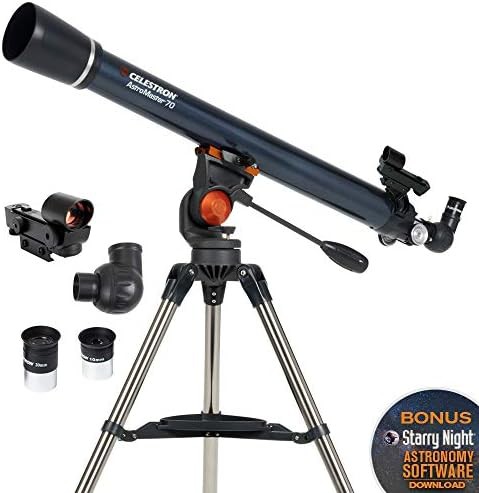
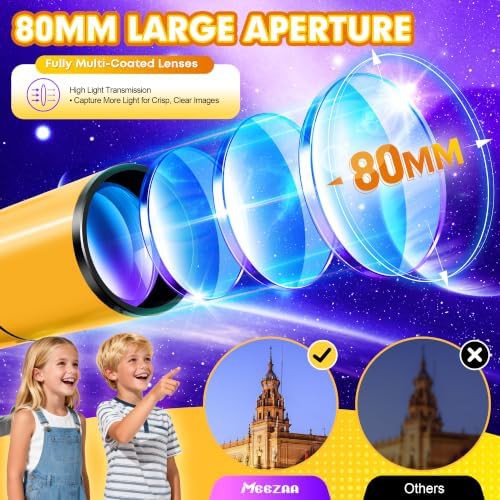
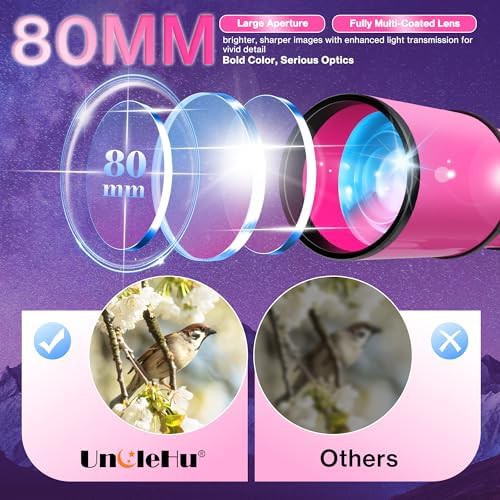
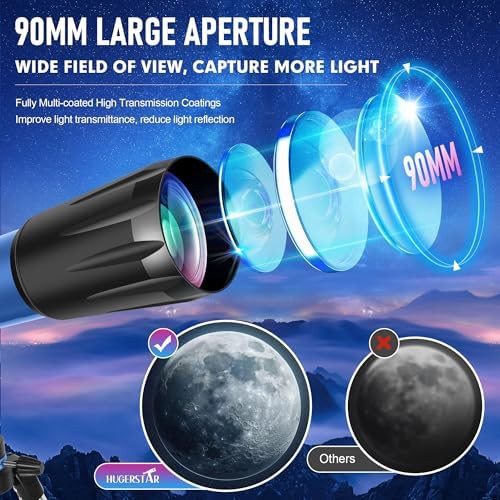
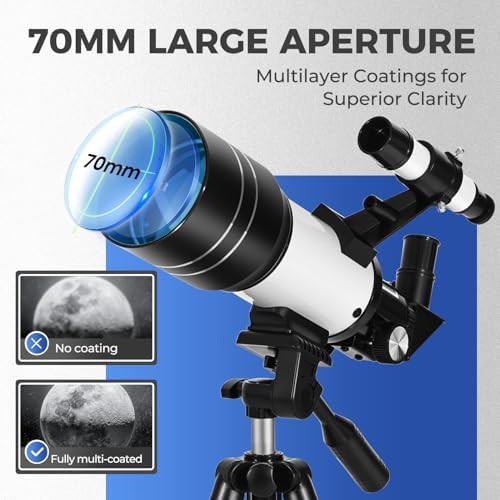
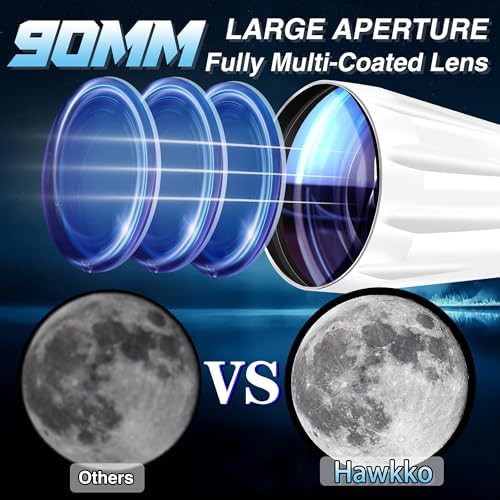
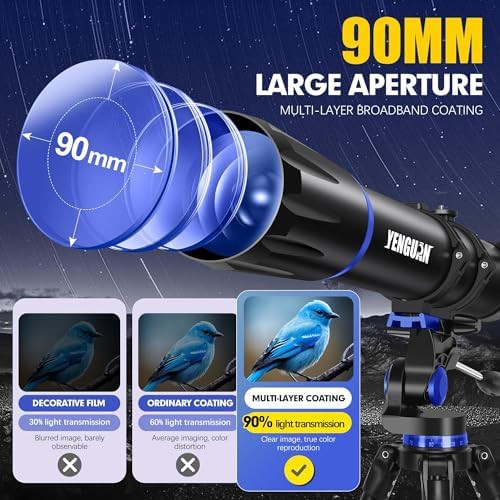
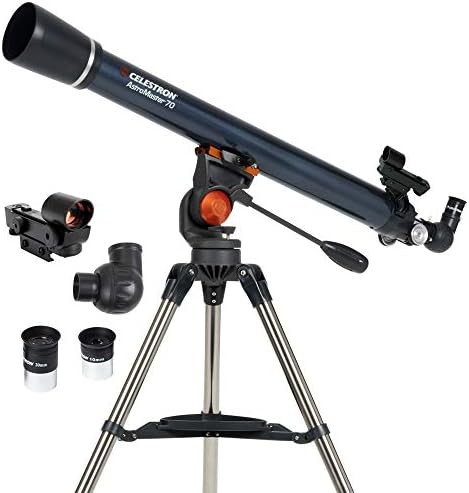
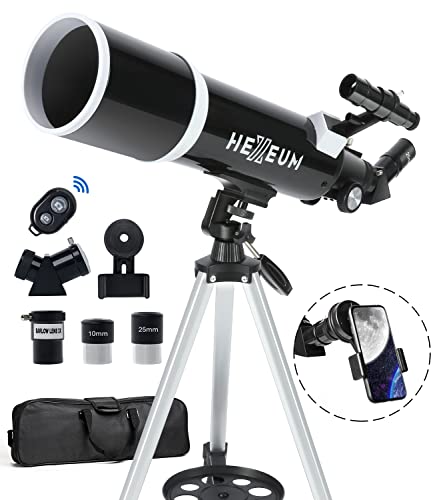
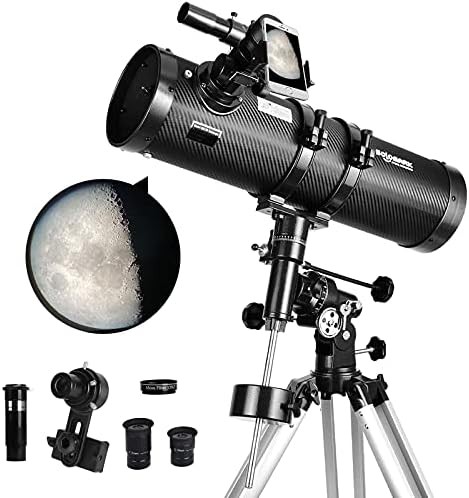
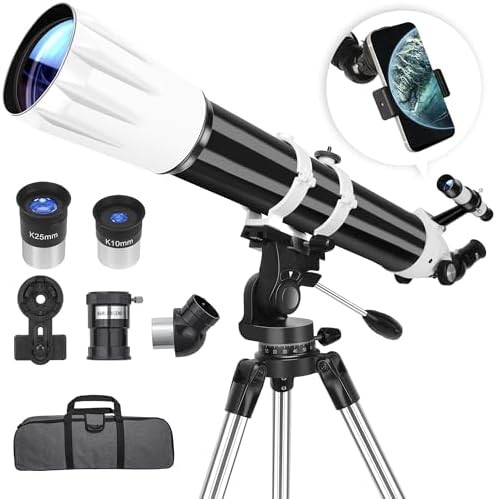
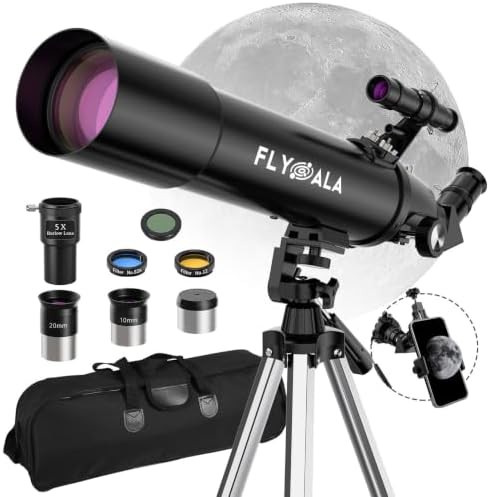
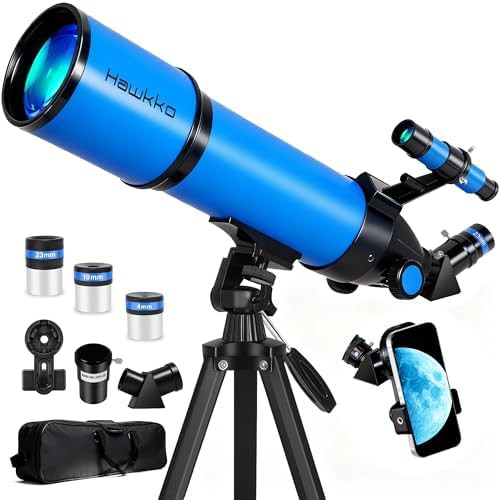
Aperture in the 60mm to 114mm range is enough to resolve major craters and mare edges without demanding a heavy mount. The 90mm and 80mm refractors in this selection pair that aperture with an adjustable-height tripod, which helps when you are seated and tracking a single feature for several minutes. A 114mm reflector offers more light grasp but needs a bit more patience to keep aligned.
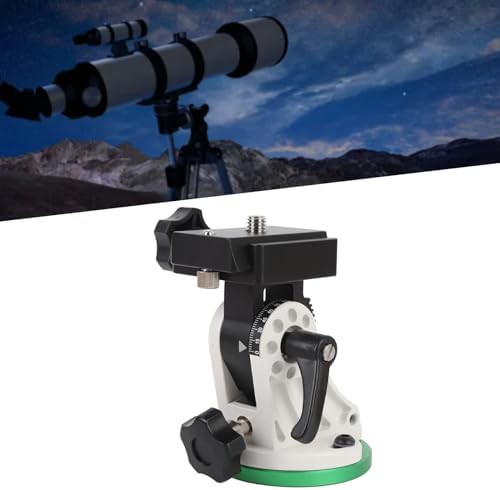
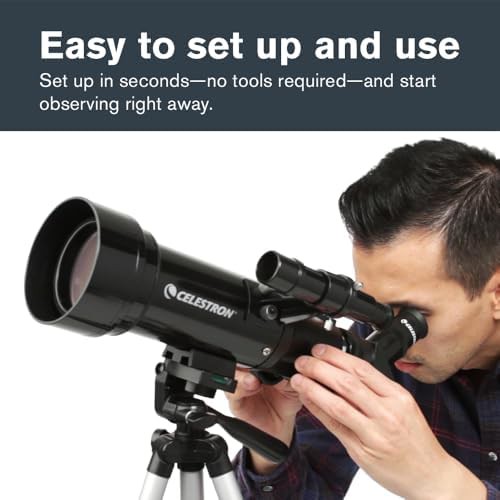
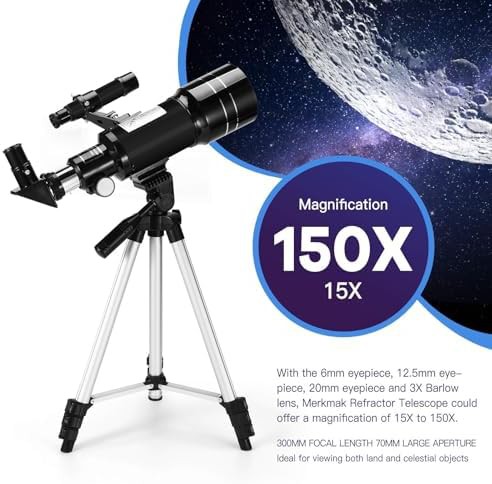
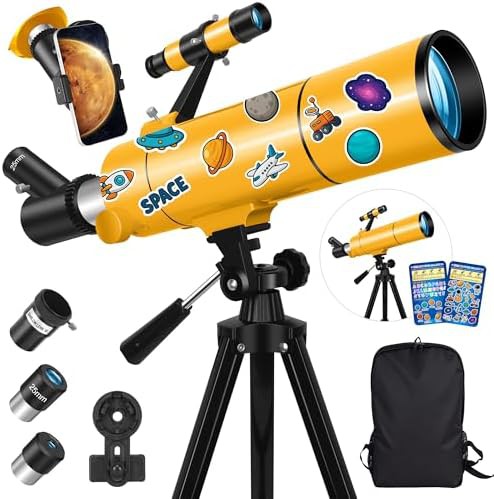
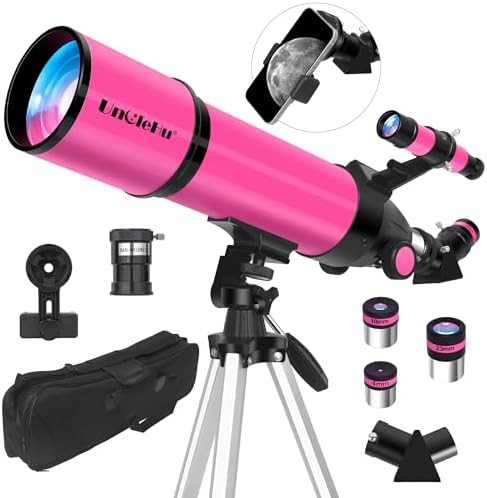
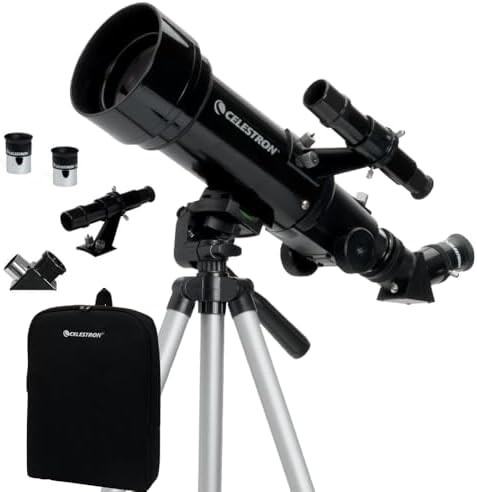
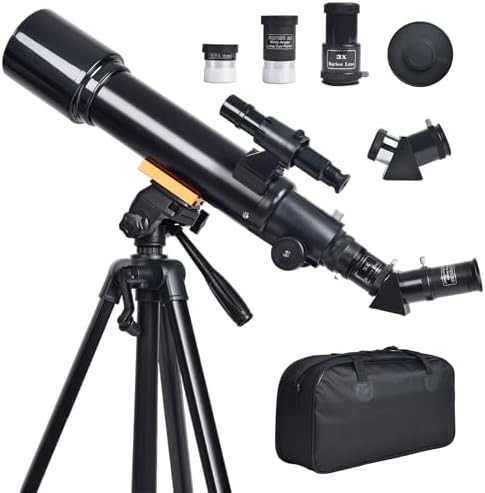
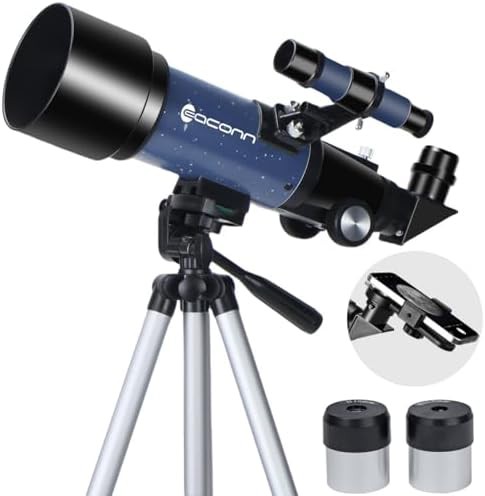
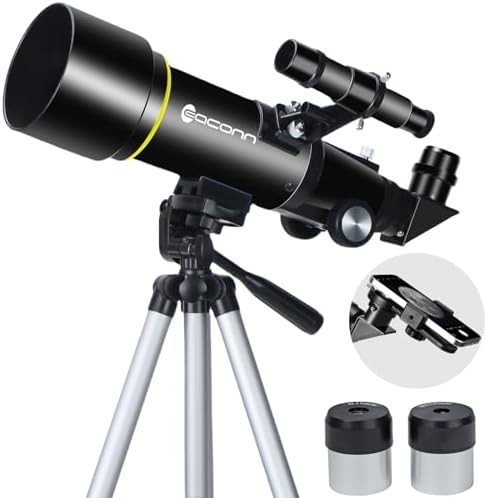
Short-tube refractors on alt-azimuth mounts show up often because they are quick to aim and do not require polar alignment. The 60mm and 70mm travel-style kits include a backpack, which matters if you carry the scope to a balcony or a darker spot down the street. A phone adapter lets you hold a steady image of a crater chain without sketching.
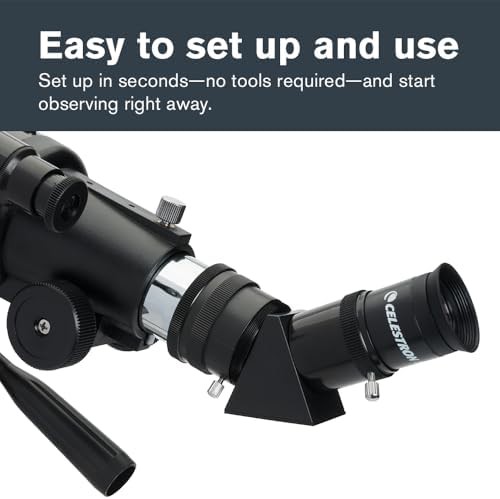
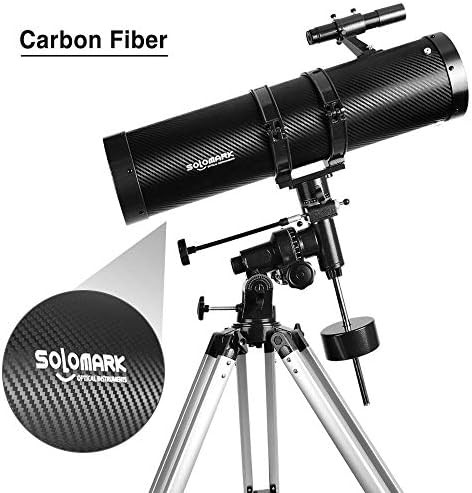
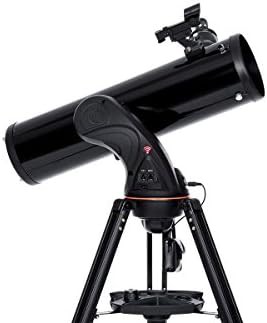
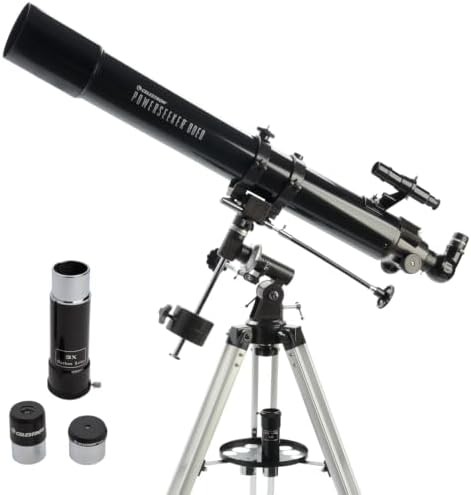
Larger refractors in the 80mm to 90mm range sit on full tripods and give a more stable view at the magnifications the moon rewards. These are still manageable for one person to set up in a yard or driveway. The 114mm reflector is the odd one out here: more aperture, different maintenance, and a longer cool-down before the optics settle.