 9.2
Jiawu
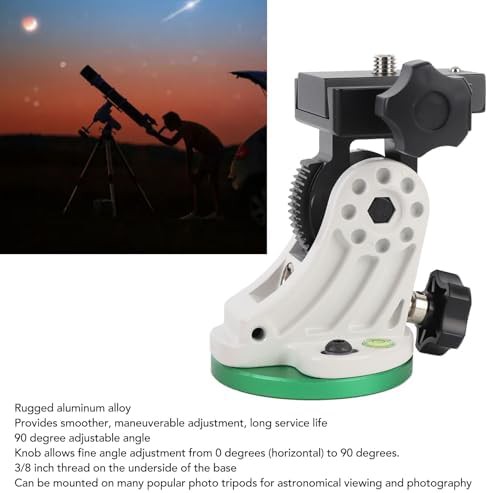
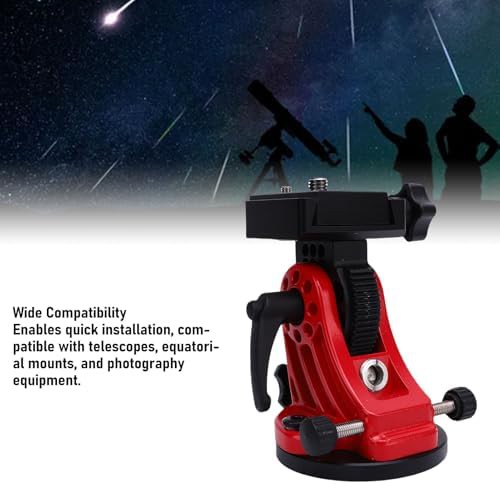
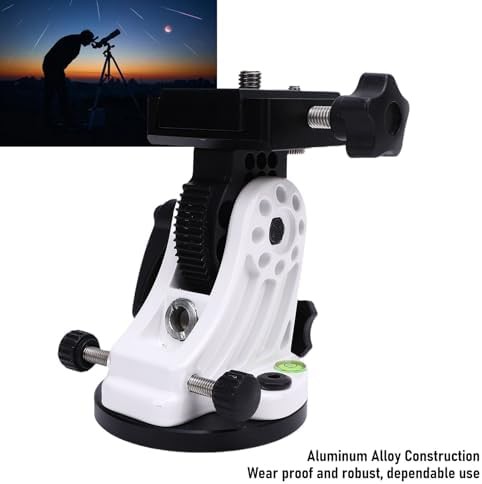
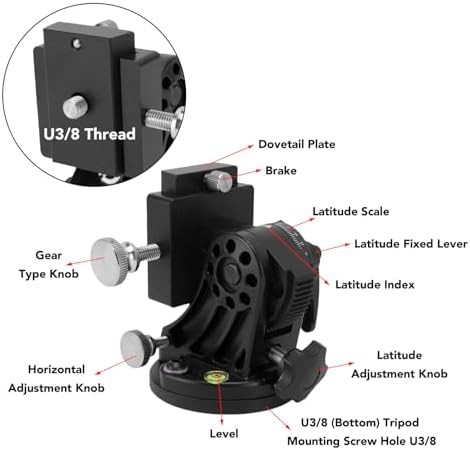
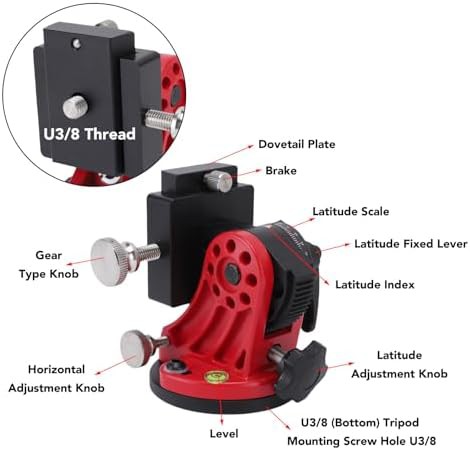
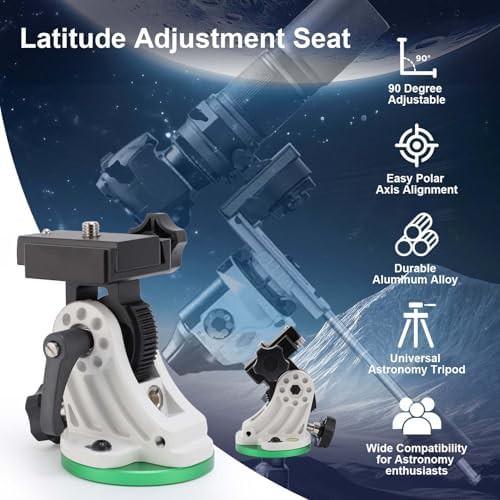
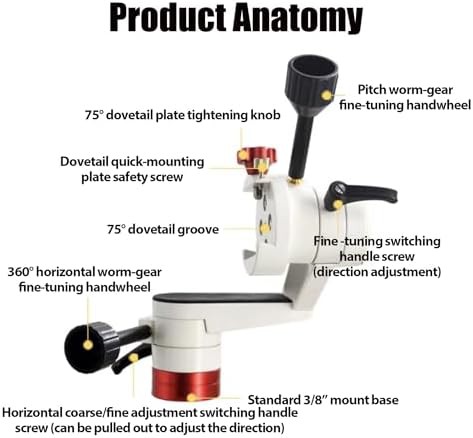
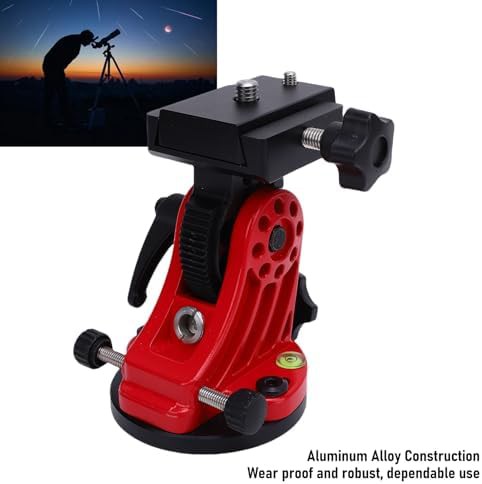
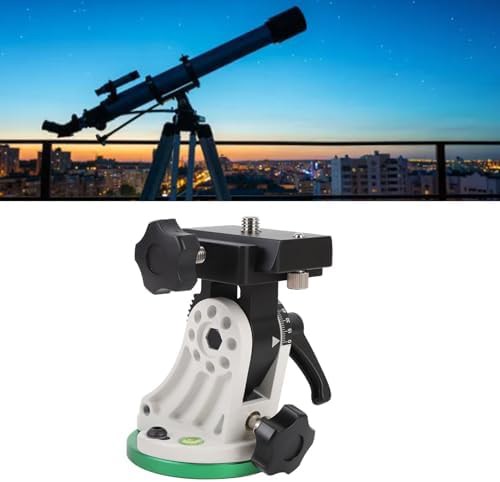
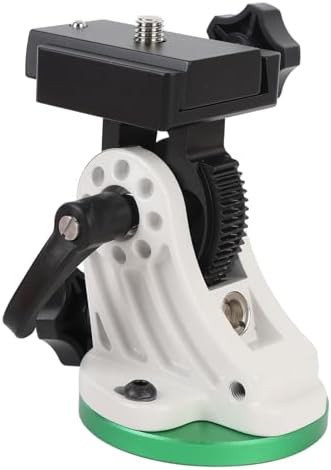
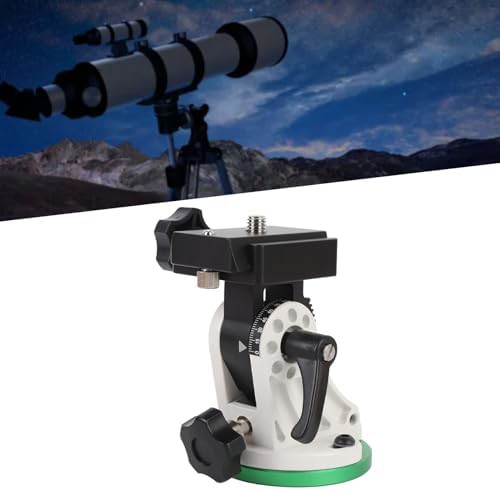
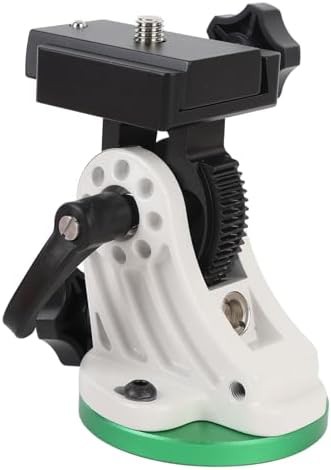
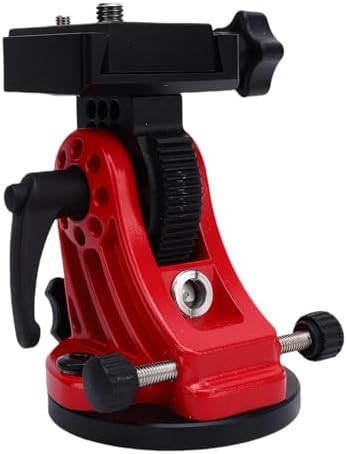
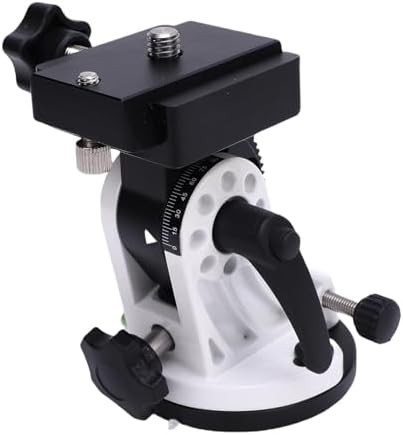
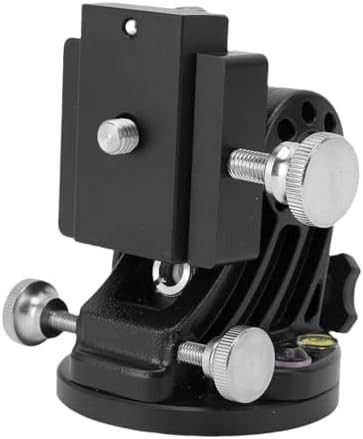
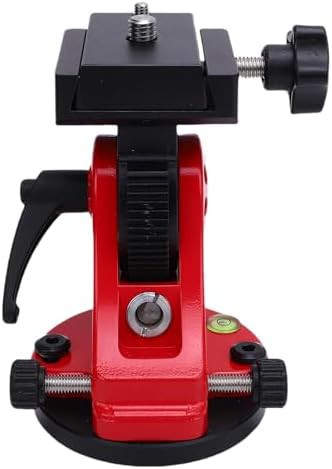
Aluminum equatorial base for nightscape photography
$94.65
For moon viewing Tripod included For deep sky For astrophotography
Specialized mounts that align with Earth's axis to track celestial motion 34 telescopes · 20 brands
9.2
For moon viewing Tripod included For deep sky For astrophotography
 9.0
 8.9
 8.7
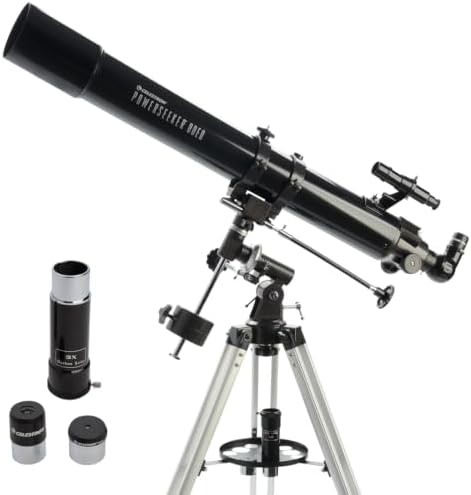
For beginners Refractor For moon viewing 80mm aperture
 8.7
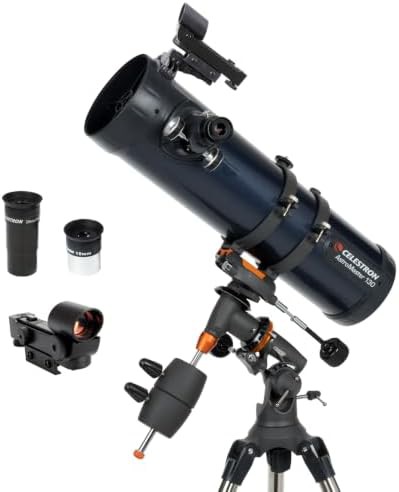
For beginners Reflector For deep sky 130mm aperture
 8.6
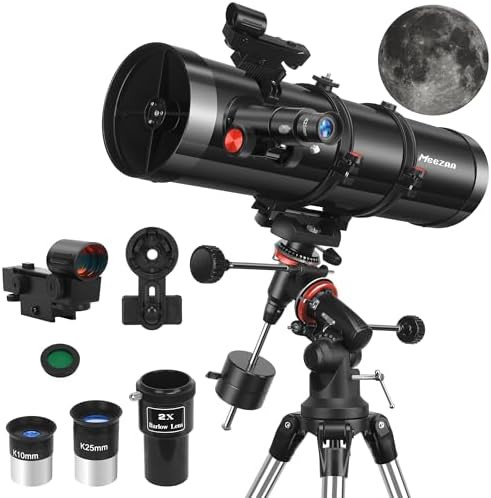
For adults For moon viewing Reflector For deep sky
 8.6
For adults For beginners For moon viewing Tripod included With phone adapter Reflector
 8.5
For adults For moon viewing Reflector Professional For deep sky
 8.5
 8.5
For adults For beginners Professional
 8.4
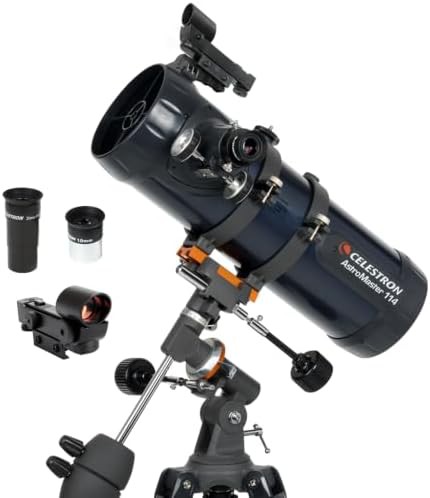
For beginners For moon viewing Reflector 114mm aperture
 8.0
 7.8
 7.8
For adults For beginners Reflector 800mm focal length
 7.7
 7.1
 6.6
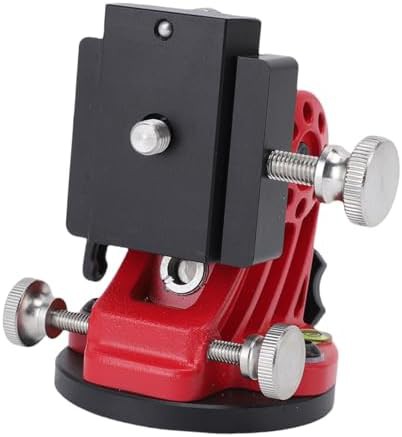
 6.0
Black For adults Tripod included For astrophotography
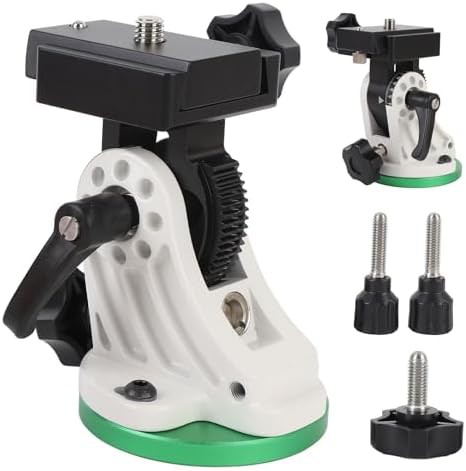
 6.0
Black For adults Tripod included For astrophotography
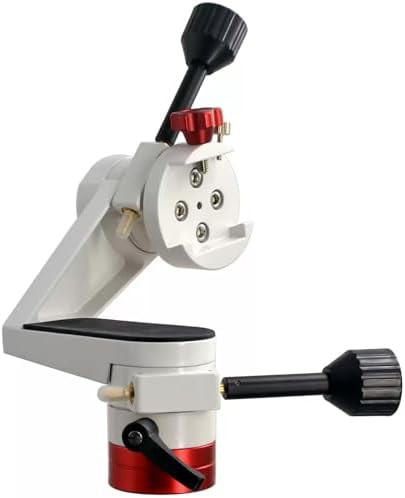
 5.9
 5.0
For adults Tripod included Altazimuth mounts For astrophotography
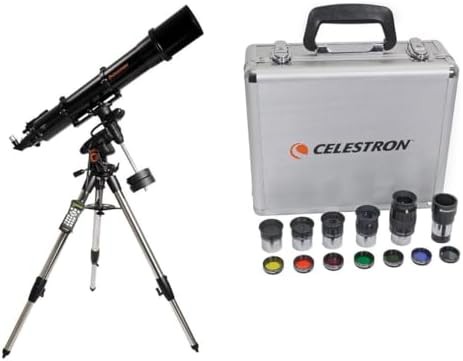
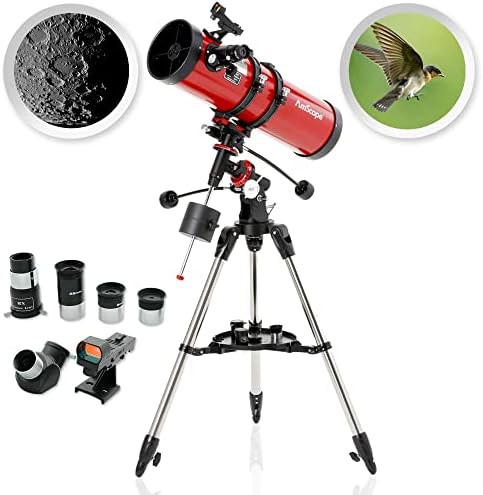
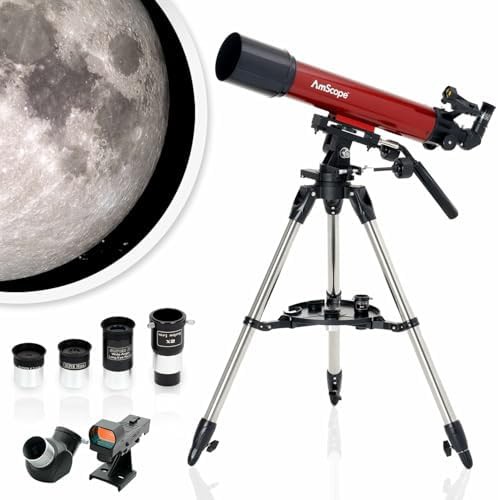
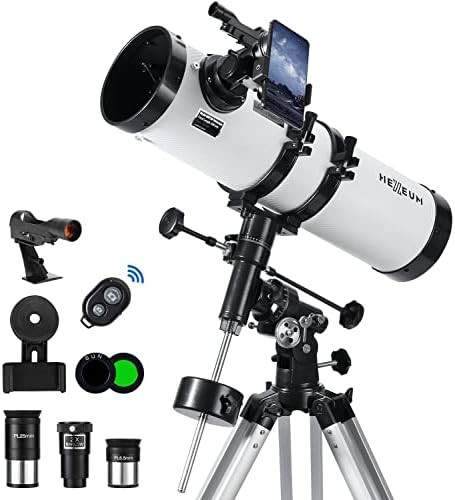
For moon viewing Reflector For deep sky 130mm aperture
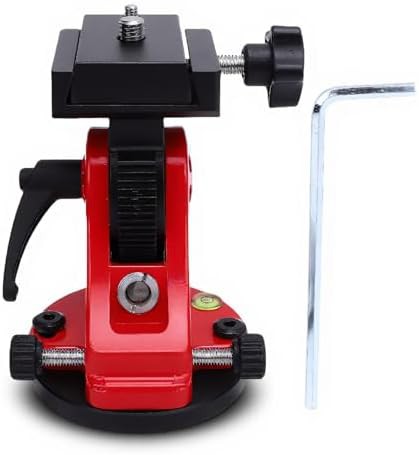
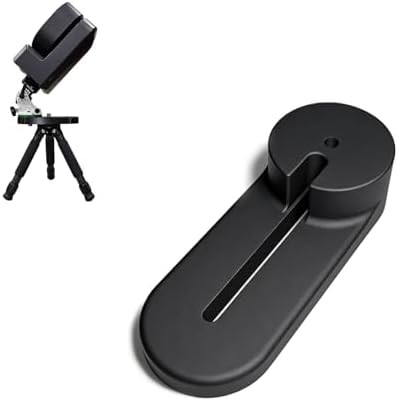
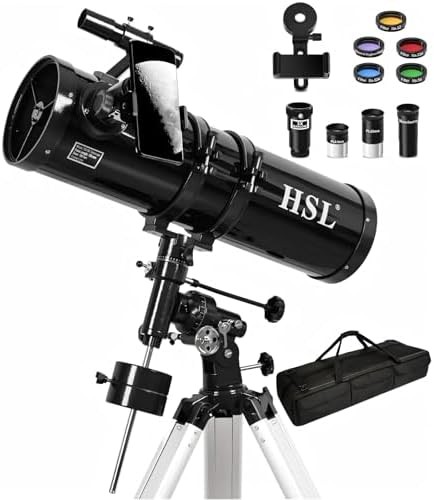
For adults For beginners Tripod included With phone adapter Reflector
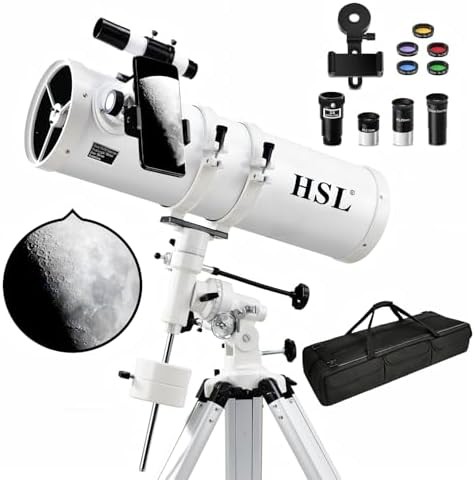
For adults For beginners For moon viewing With phone adapter Reflector
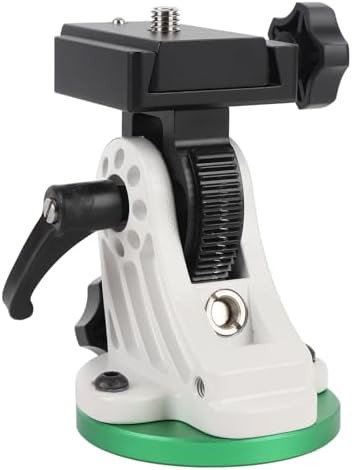
 6.9
 6.5
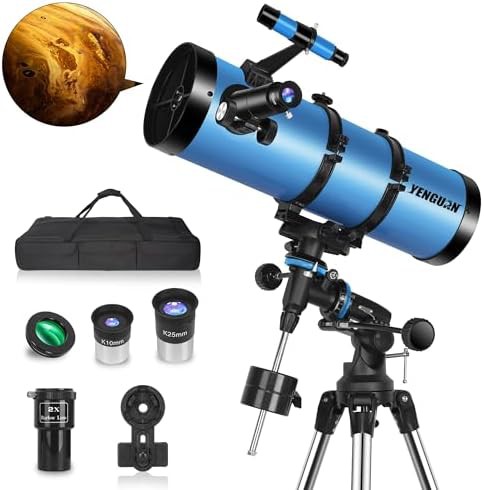
Blue For adults For beginners For kids For moon viewing Tripod included

Yes, the mount needs its polar axis pointed at the celestial pole before tracking works well. A rough alignment is enough for visual observing, and a more careful one helps at high magnification. The process takes a few minutes once you know your latitude.
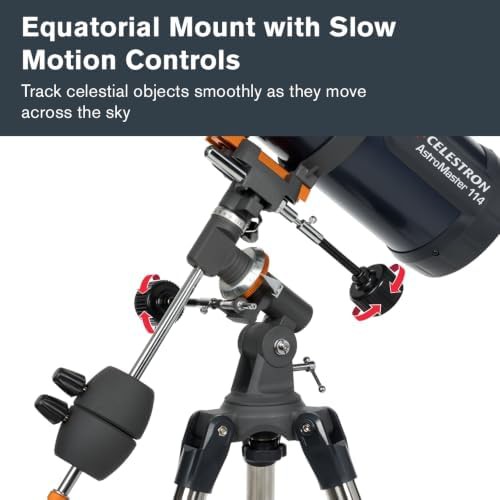
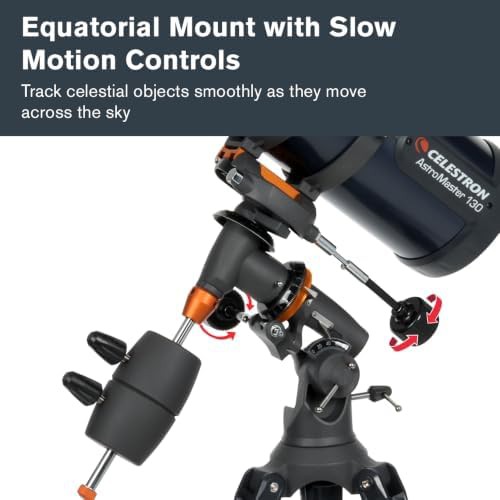
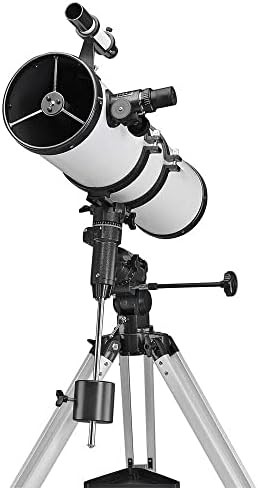
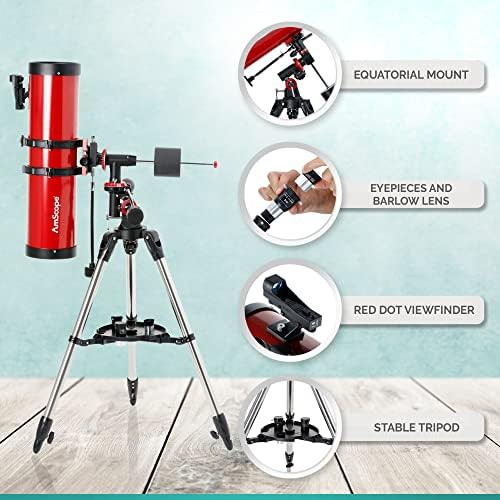
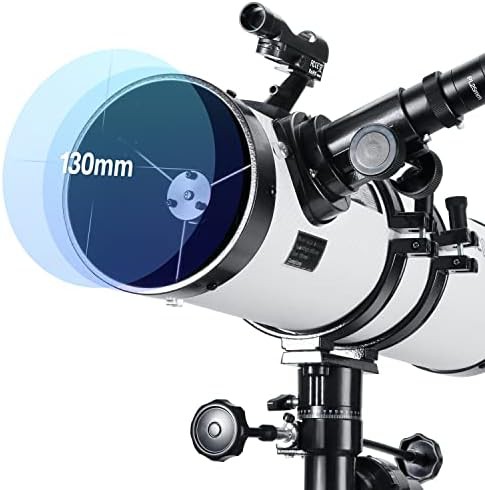
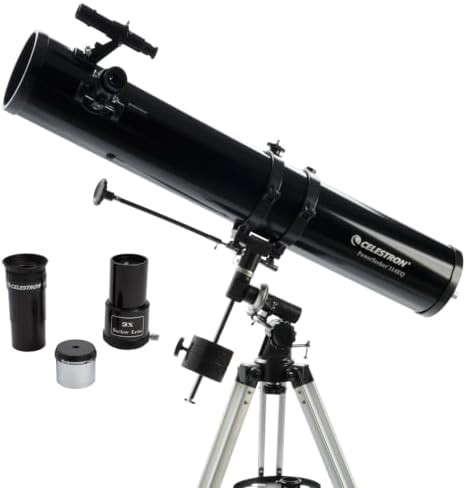
The 114EQ reflector is the smaller and lighter of the two, which makes setup and carrying easier. The 130EQ Newtonian gathers more light, so deep-sky objects appear brighter and more detailed. Both appear in this form with similar equatorial heads.
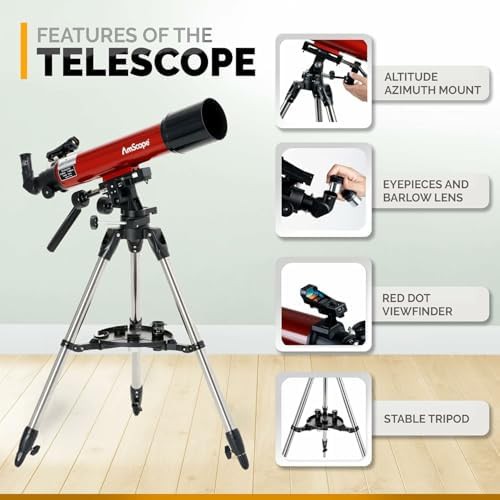
Yes, and the 80EQ refractor in this form is specifically described for moon and planet viewing. The single-axis tracking keeps a crater or a planet in the eyepiece as it drifts. Higher magnifications are easier to hold steady than on a manual altazimuth mount.
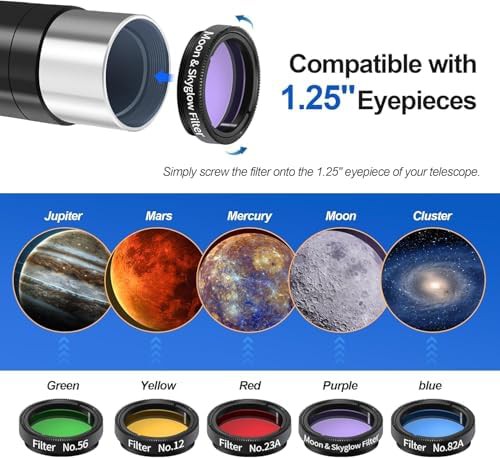
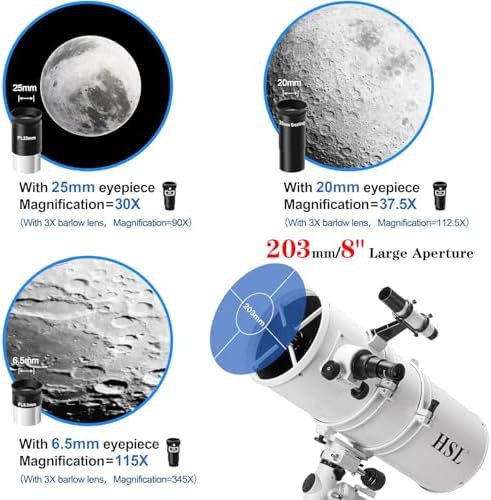
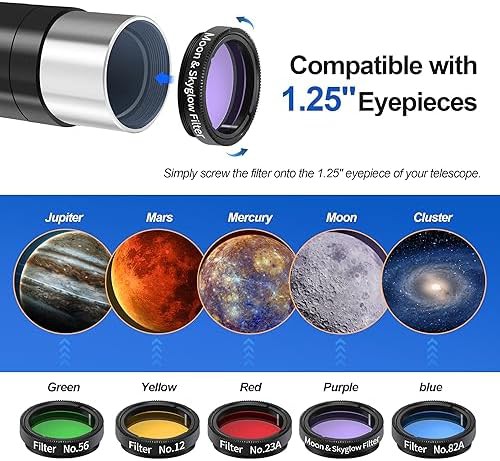
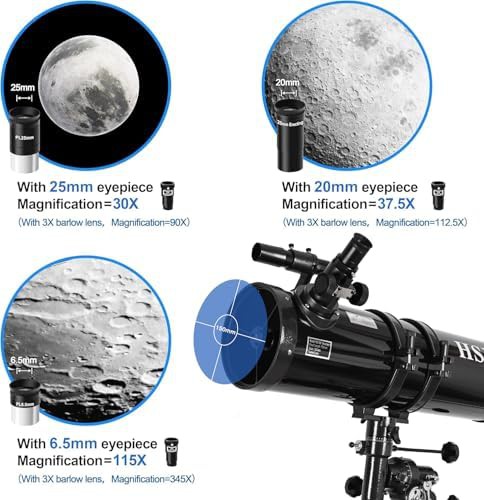
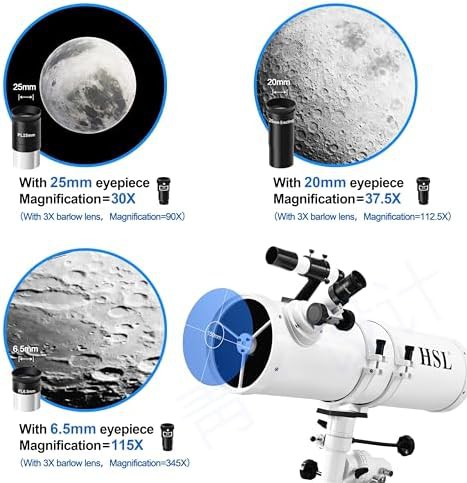
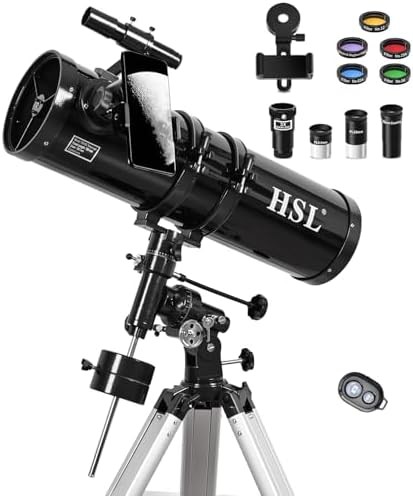
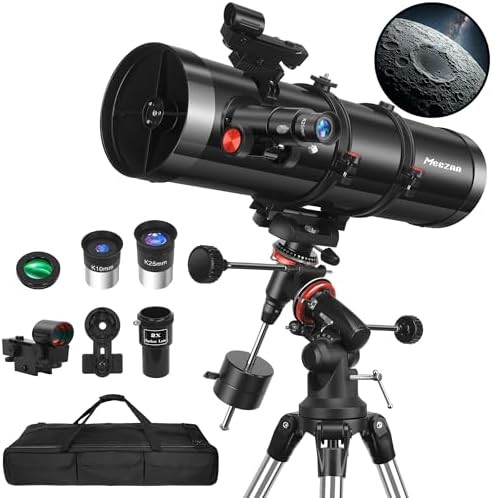
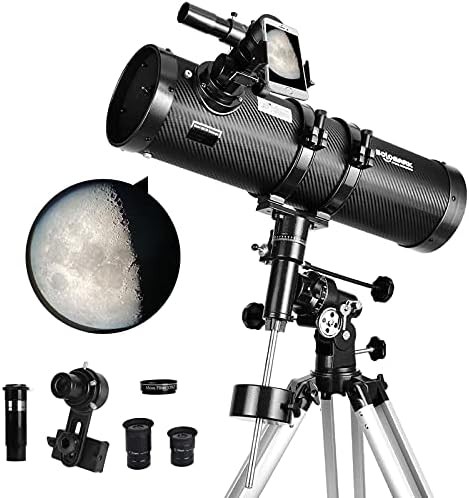
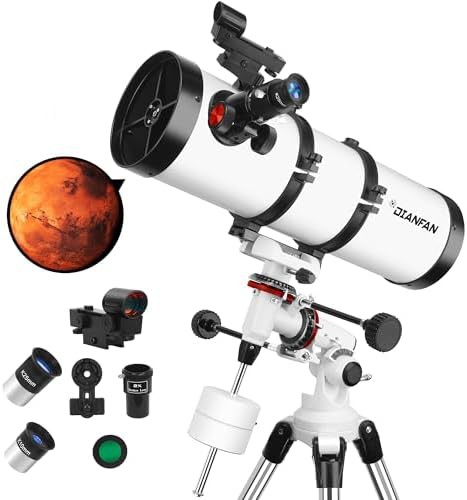
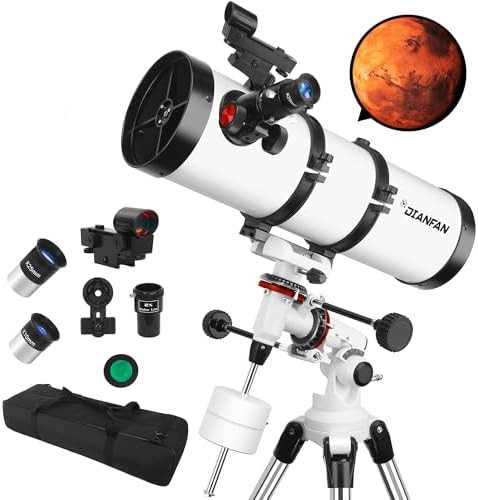
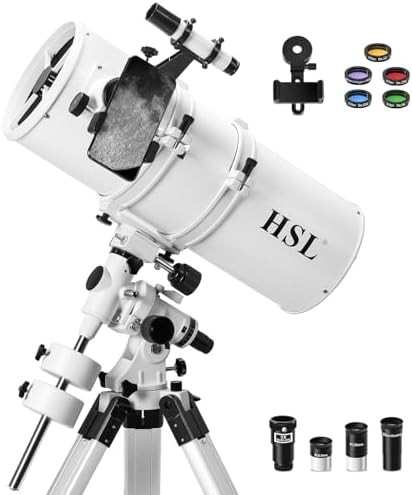
The larger kits can include five Plossl eyepieces, a 1.25 inch Barlow lens, and a filter set in a carry case. Smaller packages often pair the scope with a 1.5X Barlow and a moon filter. The 130EQ and 150EQ models come with the eyepieces needed to start observing.
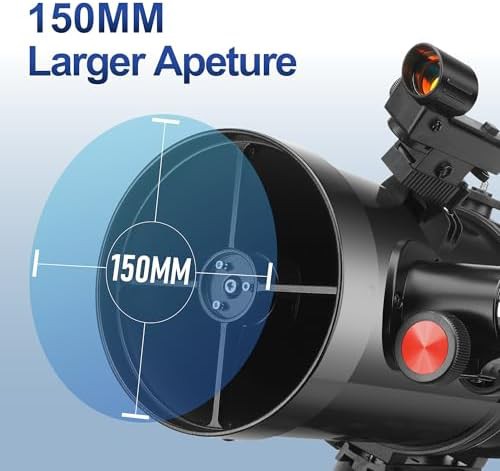
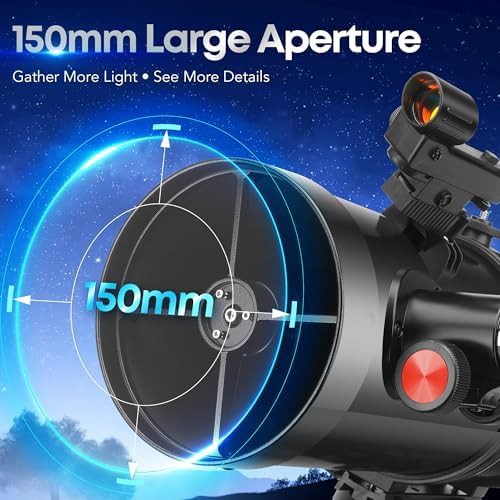
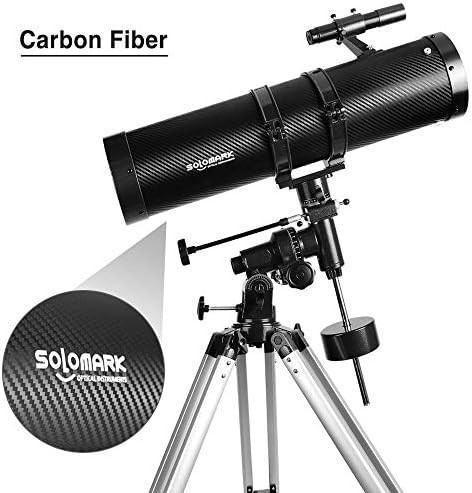
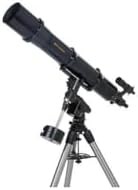
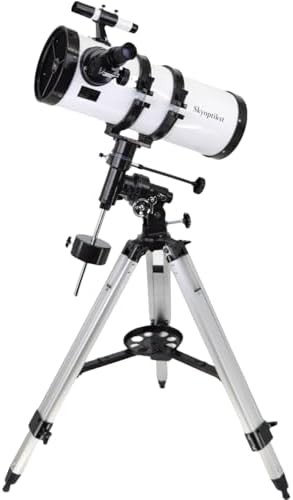
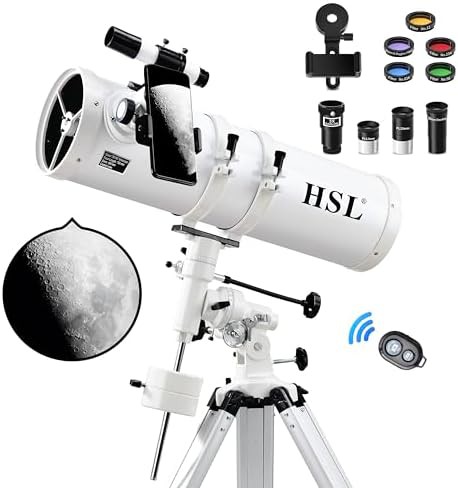
An equatorial telescope sits on a mount whose one axis points at the celestial pole, so a slow turn on that single axis follows the sky as it drifts. The samples here are complete instruments, not just mounts: a tube, an equatorial head, a tripod, and the eyepieces needed to start looking. A 114EQ reflector and an 80EQ refractor show up in this form, along with a 130EQ Newtonian and a 150EQ aimed at adults who want more light.
An altazimuth mount moves up-down and left-right, which feels natural but needs two adjustments to keep a star centered as the Earth turns. An equatorial head trades that simplicity for tracking along one axis, which matters once you push magnification on the Moon or a planet. A tabletop scope is smaller and sits on a picnic table, while an equatorial instrument stands on its own tripod and is built around the alignment ritual.
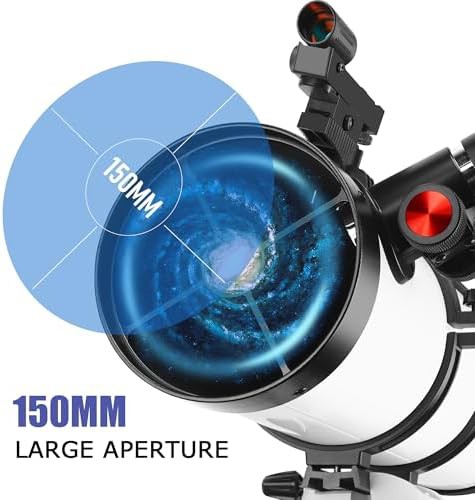
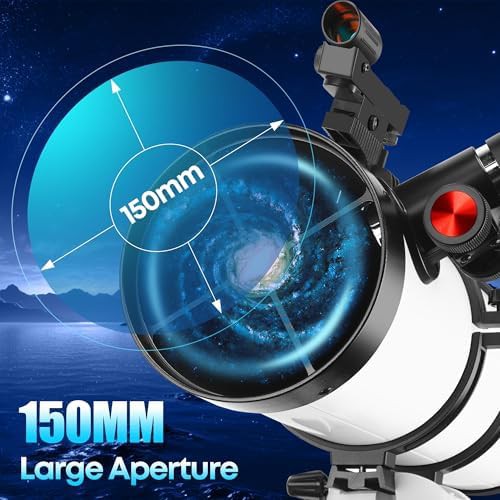
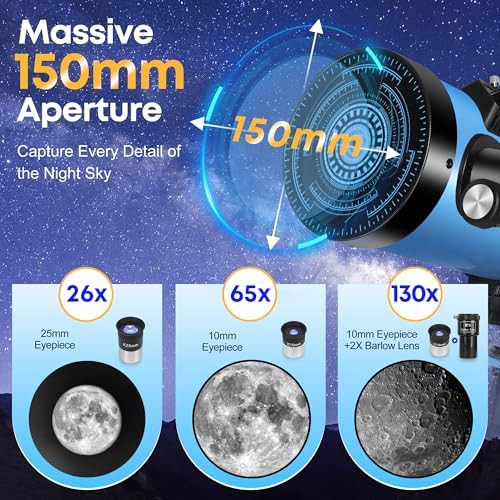
The tubes in this form run from an 80mm refractor up to a 150mm reflector, with 114mm and 130mm Newtonians filling the middle. Colors are plain: black, red, and blue finishes on the tubes and mounts. The larger kits arrive with a deluxe accessory set that can include five Plossl eyepieces, a 1.25 inch Barlow lens, a filter set, and an accessory carry case.
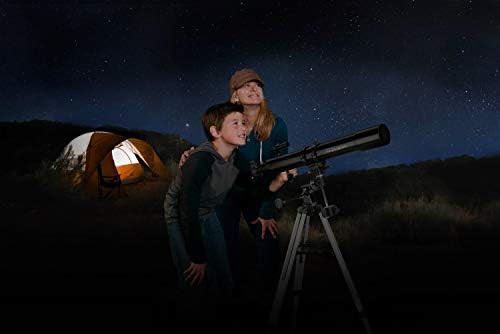
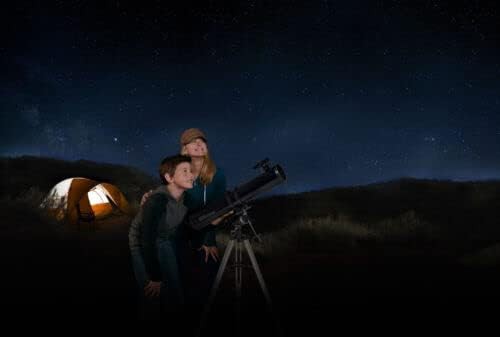
Buyers who want to learn polar alignment and manual tracking gravitate here, because the mount rewards that patience with steadier views at higher power. Families stargazing in the backyard and adults stepping up from a first scope both appear in the samples. If you would rather skip alignment and just point and look, an altazimuth or tabletop scope is the easier path.