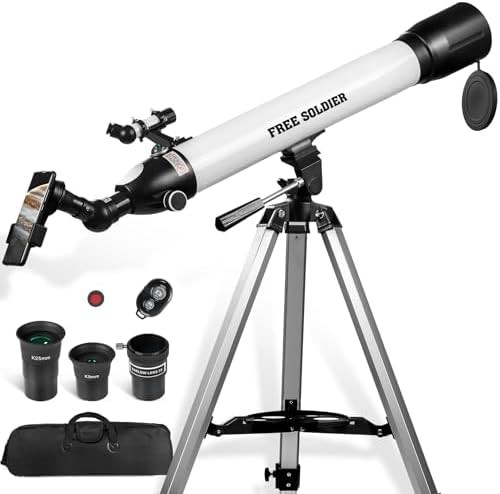
 8.4
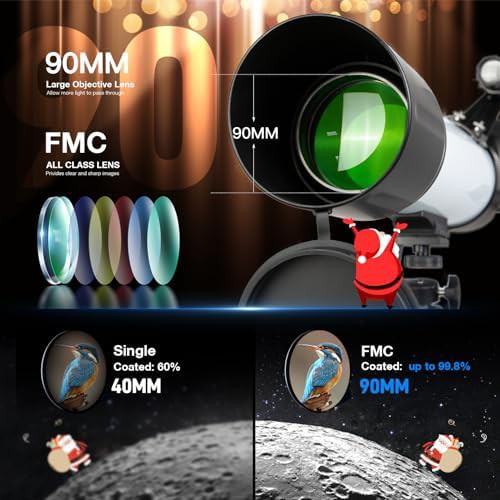
FREE SOLDIER OPTICS
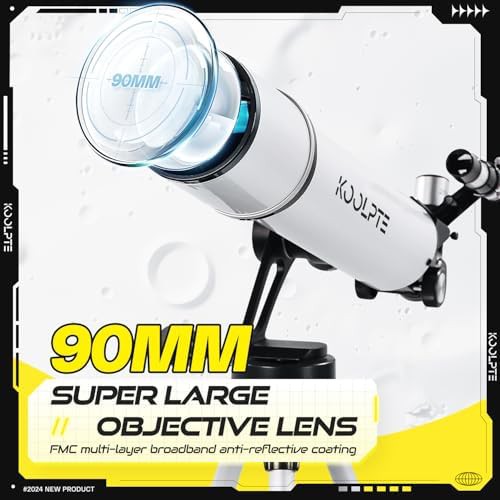
White 90mm refractor for beginner astronomy
$130
For adults For beginners Refractor For moon viewing 90mm aperture White
Standard length for refractor telescopes providing good magnification 5 telescopes · 4 brands
| # | Item | Level | House | Notes | See listing |
|---|---|---|---|---|---|
| 1 |
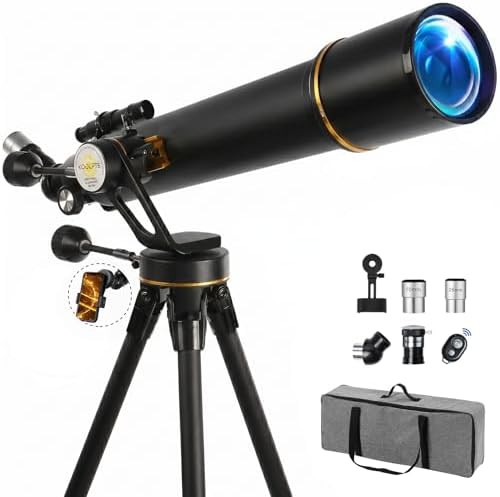 8.3
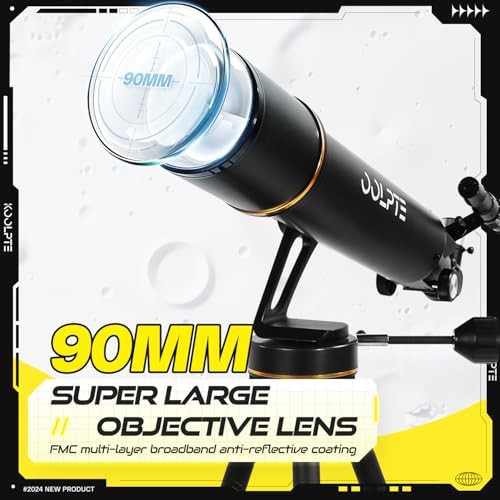
Koolpte Black 90mm refractor telescope for moon viewing |
$190 | Koolpte | Black · For adults · Refractor |
$190
See listing
|
| 2 |
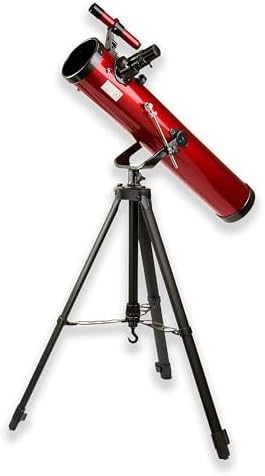 8.1
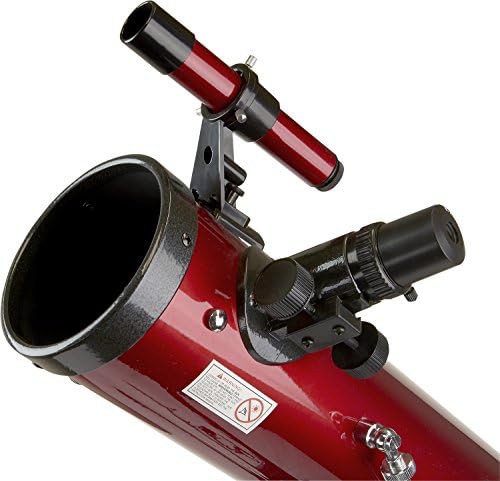
Carson Red Planet Newtonian reflector with tripod |
$168 | Carson | Red · For beginners · For moon viewing |
$168
See listing
|
| 3 |
8.4
FREE SOLDIER OPTICS White 90mm refractor for beginner astronomy
|
$130 | FREE SOLDIER OPTICS | For adults · For beginners · Refractor |
$130
See listing
|
| 4 |
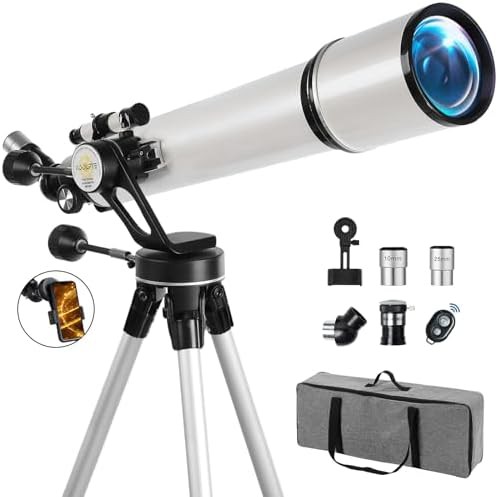 7.9
Koolpte White 90mm refractor telescope for adults |
$190 | Koolpte | For adults · Refractor · 90mm aperture |
$190
See listing
|
| 5 |
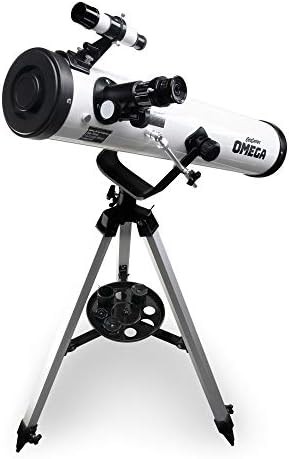 7.7
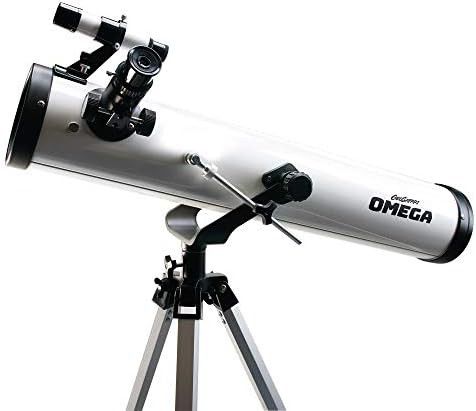
Educational Insights Omega 700mm reflector for deep sky |
— | Educational Insights | For adults · For beginners · For kids |
8.4
For adults For beginners Refractor For moon viewing 90mm aperture White
8.3
Black For adults Refractor For moon viewing Altazimuth mounts 90mm aperture
8.1
Red For beginners For moon viewing Tripod included Reflector
7.9
7.7
For adults For beginners For kids For moon viewing Reflector For deep sky
The moon shows craters and terminator detail well, and the brighter planets resolve into disks with some surface or cloud features on steady nights. Double stars and brighter deep-sky objects are reachable, though large nebulae are framed tightly. It is a length that favors lunar and planetary work over wide-field scanning.
A 90mm refractor gathers more light and avoids the central obstruction of a Newtonian, which some viewers prefer for crisp lunar edges. A 76mm reflector reaches the same focal length with a different optical path and a distinct image character. The choice comes down to whether you want the refractor’s simpler, obstruction-free view or the reflector’s mirror-based design.
The refractors ship with advanced eyepieces intended to push magnification for lunar and planetary viewing, and the reflector uses its own set covering the 35-78x range. Because focal length is fixed, swapping eyepieces is how you move between wider context views and close-in detail. A short eyepiece gets you toward the upper magnification the aperture can support.
A 700mm focal length sits in the middle of the range, long enough to pull detail out of the moon and the brighter planets without demanding a heavy mount. Paired with a 90mm aperture, as in several refractors here, it delivers useful magnification on craters, cloud bands, and the rings of Saturn when the air is steady. Buyers drawn to this length usually want a telescope that shows more than a wide-field sweeper but still sets up in a backyard without a permanent pier.
The trade-off is field of view. At 700mm, wide star fields and large nebulae are framed tighter than they would be at 400mm or 600mm, so if your interest runs to scanning the Milky Way, a shorter tube serves better. If your interest runs to the moon and planets, the extra length earns its place. The refractors here lean toward that planetary and lunar use, and the Newtonian reflector in the group offers a different optical path at the same focal length.
The refractors in this group use a 90mm objective in a tube that stays manageable on an alt-azimuth mount, with the Vertisteel versions finished in white or black. A Newtonian reflector at 76mm also appears at this focal length, in red, using a mirror rather than a lens to reach the same magnification range. The color options are limited but distinct: black, white, and red cover the group.
Eyepieces matter as much as the tube at this length. The refractors ship with advanced eyepieces meant to push magnification higher for lunar and planetary viewing, and the reflector uses its own eyepiece set for the 35-78x range. Because the focal length is fixed, changing eyepieces is how you move between low-power context views and close-in detail. A 700mm tube with a modest eyepiece gives a comfortable medium power; a short eyepiece pushes toward the upper end of what the aperture can support.