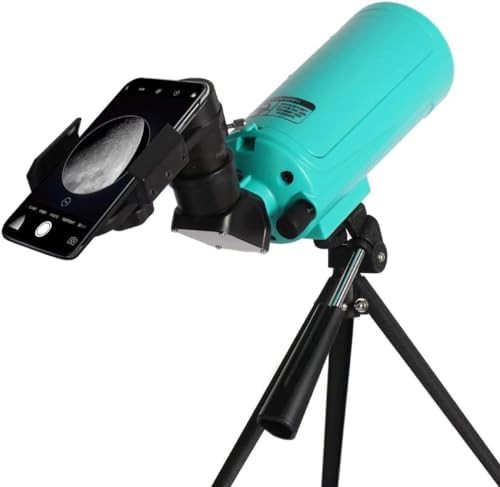
 8.5
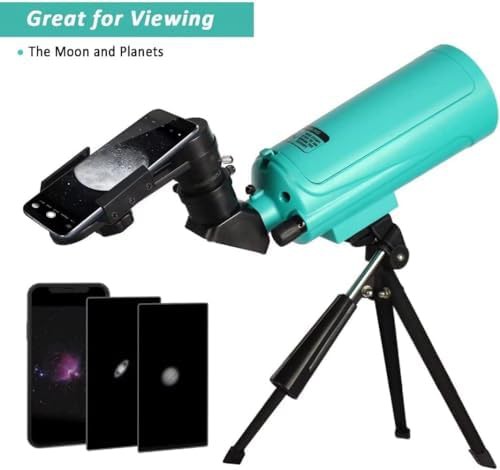
SARBLUE
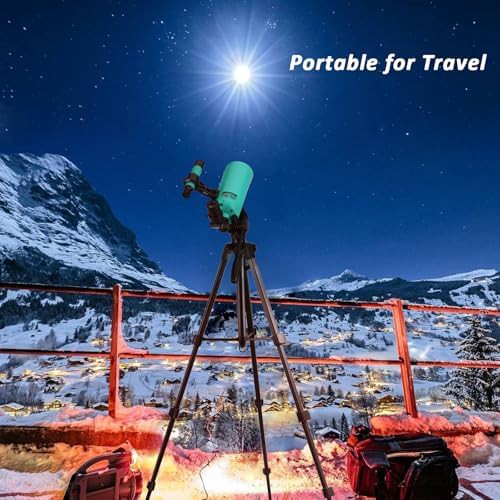
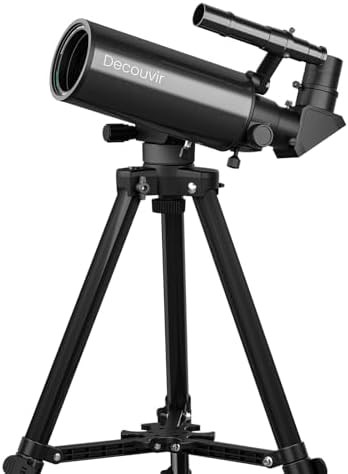
Tabletop Maksutov Cassegrain compound telescope
$99.99
For adults For beginners For kids Portable Tripod included For travel
Classic starter size for observing bright lunar craters and land objects 9 telescopes · 6 brands
8.5
For adults For beginners For kids Portable Tripod included For travel
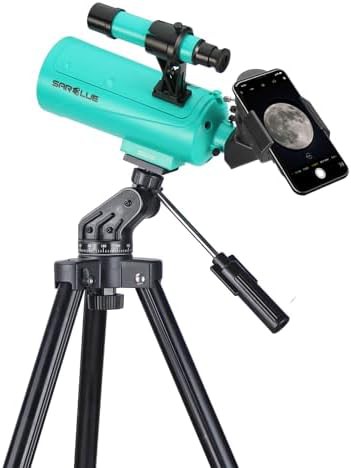 8.5
For adults For beginners For kids Portable Tripod included For travel
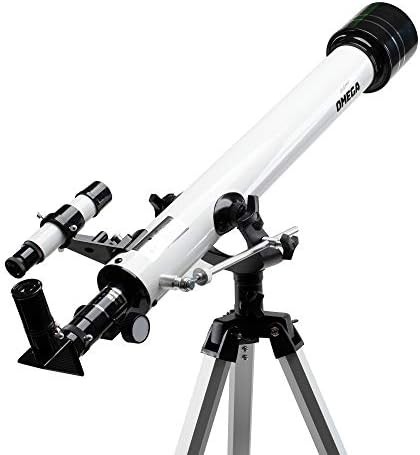 8.0
For beginners Refractor For kids For moon viewing Portable For bird watching
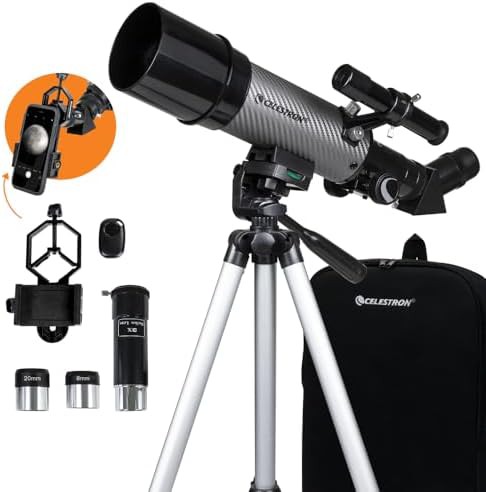 7.9
For adults For beginners For kids For moon viewing Portable For travel
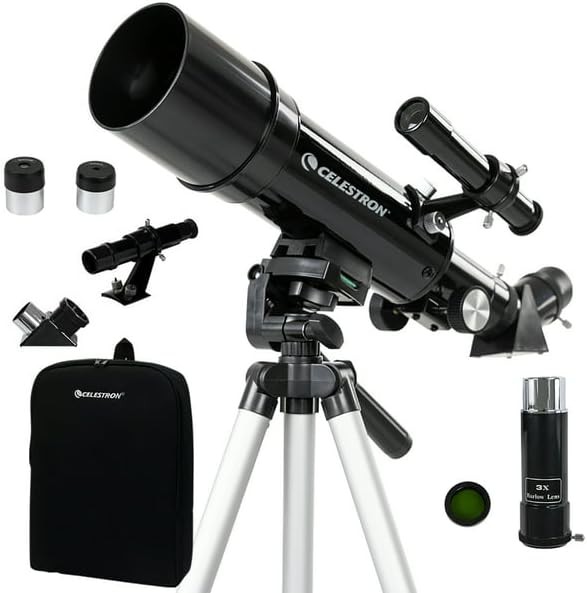 7.7
Refractor Portable For travel Budget
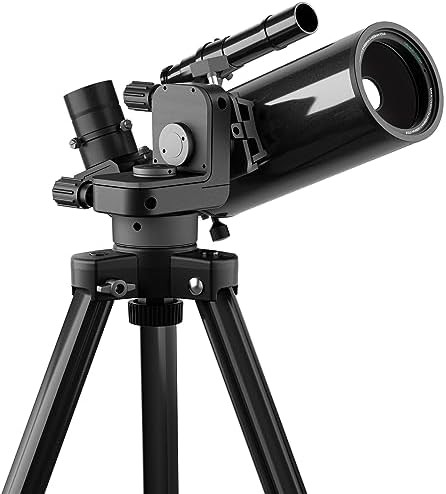 7.1
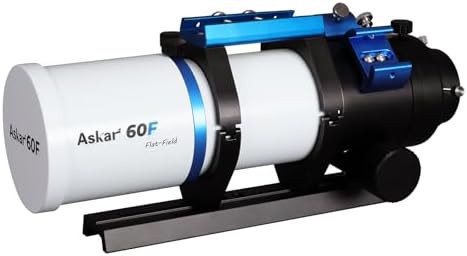
Refractor Portable For deep sky For astrophotography
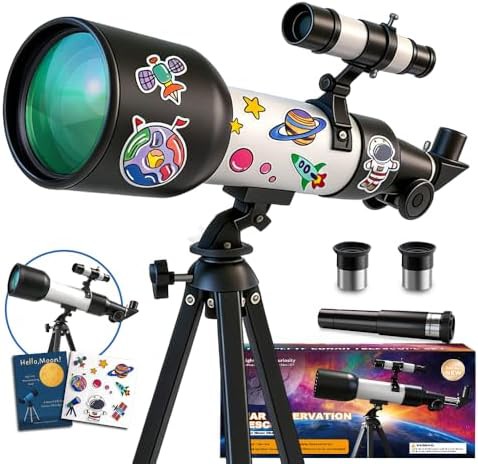
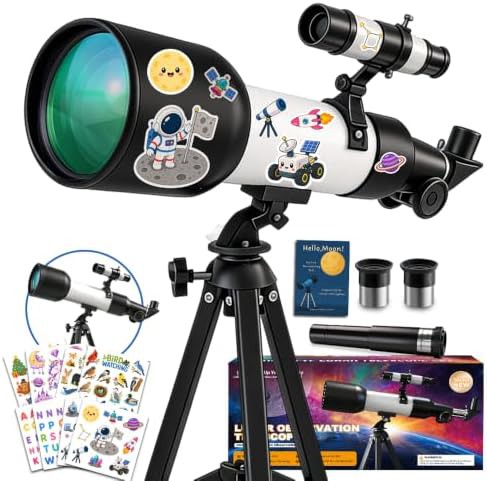
For beginners For kids For moon viewing Tripod included White
Yes, bright planets like Jupiter and Saturn are visible as small disks, and the moon shows craters along the terminator. The view is modest compared with larger apertures, so fine cloud bands and polar caps are not usually resolved.
A 60mm refractor is usually a simple tube that packs easily and needs little cool-down time. A 60mm Maksutov-Cassegrain folds a longer focal length into a shorter tube, so it can be more compact for its magnification, but the sealed optics may take longer to adjust to temperature changes.
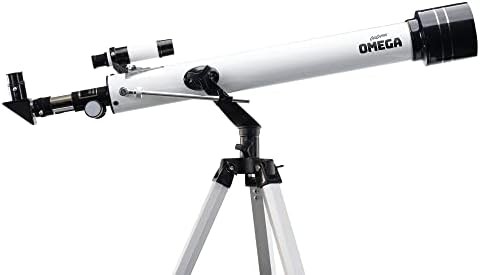
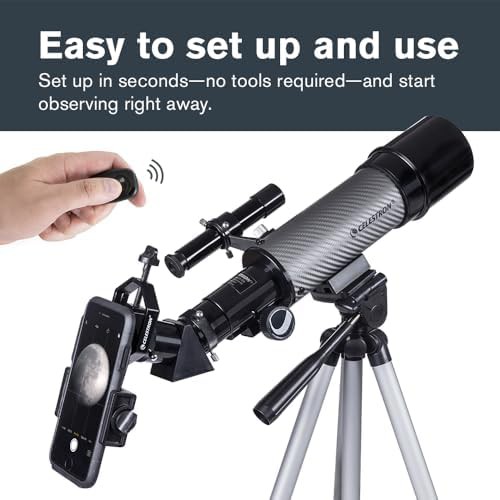
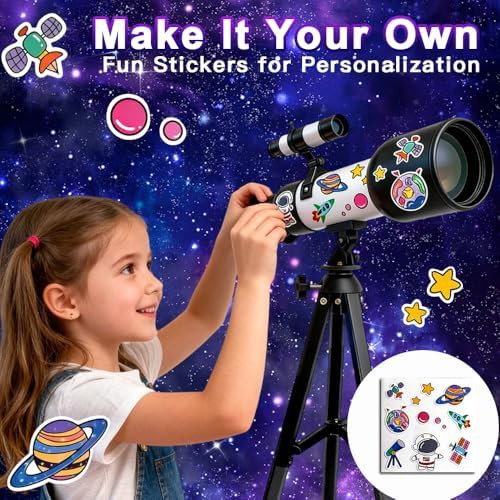
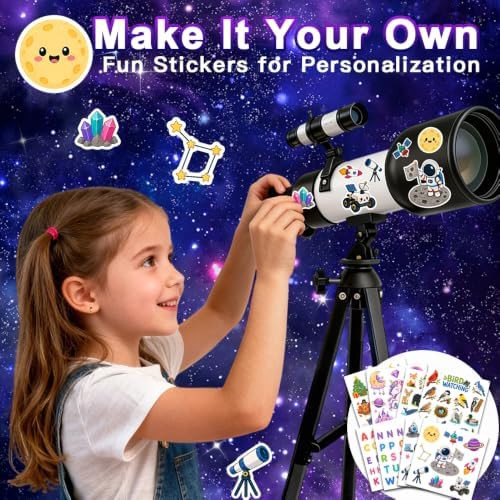
Many kits come with a tripod, a finder, and sometimes a phone adapter or stickers. The tubes are often white and lightweight, and the mounts are basic altazimuth designs meant for easy pointing rather than precise tracking.
The aperture is small, so only the brightest deep-sky objects, such as the Orion Nebula or the Pleiades, show up as faint smudges or clusters. A dark sky helps, but most galaxies and nebulae remain dim or invisible.
A 60mm telescope is a small refractor, often sold as a complete kit with a tripod and a finder. The aperture is modest, so the moon and bright planets show up well, while faint deep-sky objects stay dim. Many are built for travel or for younger observers, with lightweight tubes and simple altazimuth mounts.
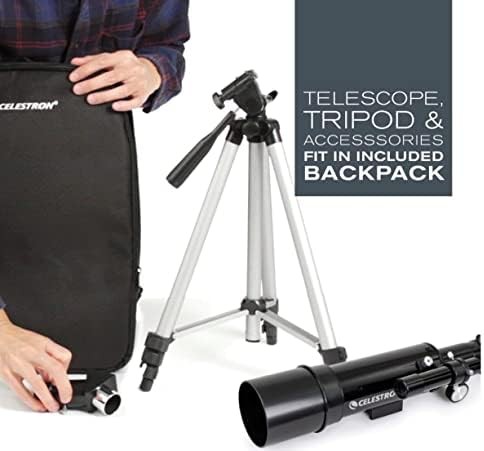
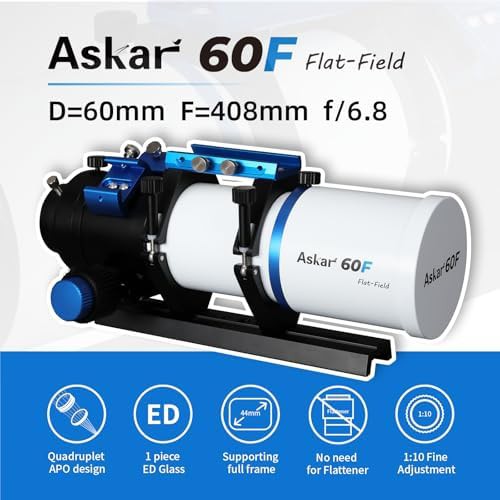
The optical designs vary. Some are standard achromatic refractors with fully coated glass, while others use ED glass in a quadruplet air-spaced APO arrangement for flatter fields and less color fringing. A few are Maksutov-Cassegrain catadioptric compounds, which fold a long focal length into a short tube. White is a common tube color, and some kits include stickers or a backpack.
Compared with 70mm, 80mm, or 90mm telescopes, a 60mm gathers less light and resolves fewer lunar details. That makes it a choice for bright targets and quick sessions rather than for hunting faint nebulae. The smaller tube is easier to carry and quicker to set up, which matters if the telescope will travel or be used by a child.
The mount and accessories often differ more than the optics. Some 60mm kits include a phone adapter for taking pictures through the eyepiece, a carry bag, or a backpack. Others are bare optical tubes with a dovetail plate for use on a separate mount. The focal length can be short for wide views or long for higher magnification on the moon and planets.
A 60mm refractor is not the same as a 60mm Maksutov-Cassegrain. The refractor uses lenses and is typically simpler to aim, while the Maksutov uses mirrors and a corrector plate in a short, sealed tube. Both share the same aperture, but the Maksutov often has a longer effective focal length and a narrower field of view.