 9.4
Telescopes / For astrophotography
This group
Astrophotography Telescopes
Checked 2026-10-24
Equipment optimized for capturing high-resolution images of the night sky 24 telescopes · 14 brands
For adults
For beginners
For kids
Refractor
For moon viewing
Portable
Tripod included
For travel
Budget
With phone adapter
Altazimuth mounts
90mm aperture
80mm aperture
Equatorial mounts
Reflector
70mm aperture
Professional
For bird watching
For deep sky
For astrophotography
600mm focal length
Black
Smart
Digital
Dobsonian
800mm focal length
Monocular
400mm focal length
White
50mm aperture
STEM learning
Tabletop mounts
Maksutov-Cassegrain
130mm aperture
60mm aperture
900mm focal length
114mm aperture
300mm focal length
Blue
Waterproof
700mm focal length
Red
Green
Best Astrophotography Telescopes
9.4
 9.2
Jiawu
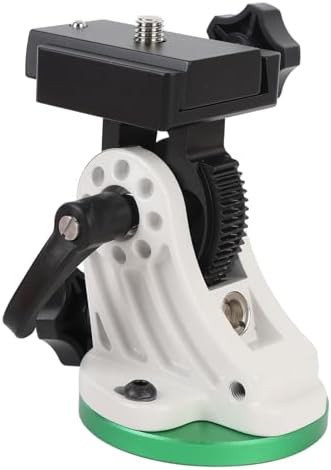
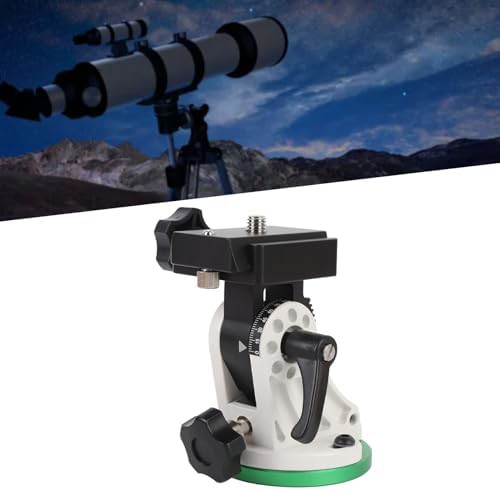
Aluminum equatorial base for nightscape photography
$94.65
For moon viewing Tripod included Equatorial mounts For deep sky
 9.1
 8.6
Celestron
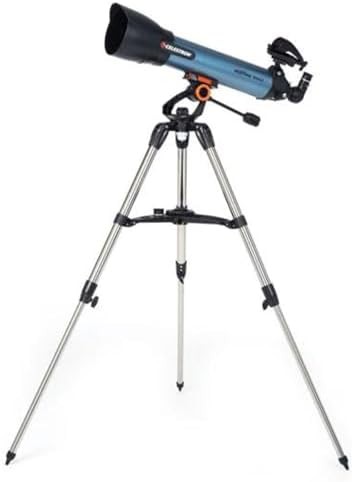
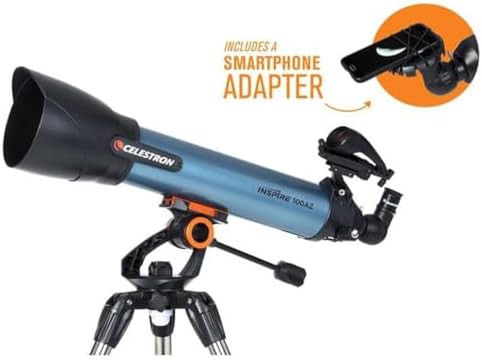
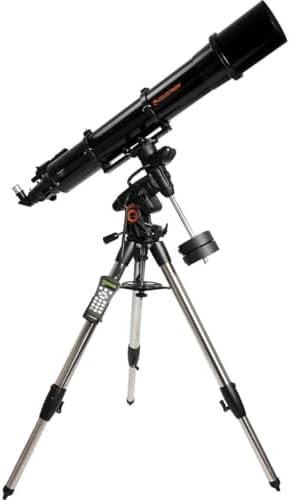
Refractor telescope with integrated smartphone adapter
$330
For beginners Refractor Tripod included With phone adapter
 8.6
SVBONY
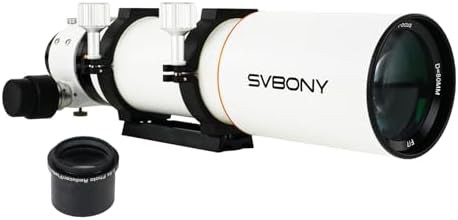
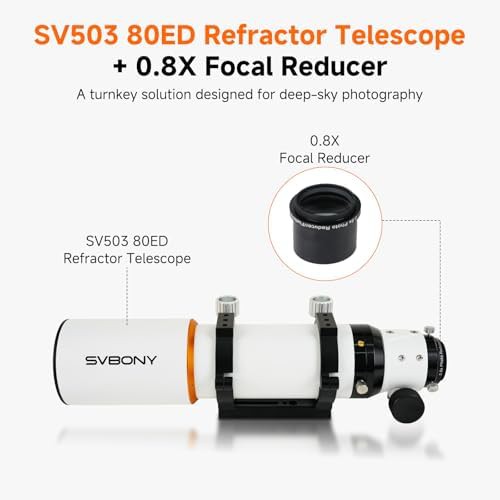
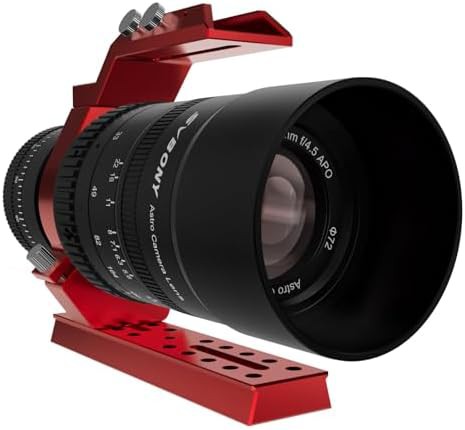
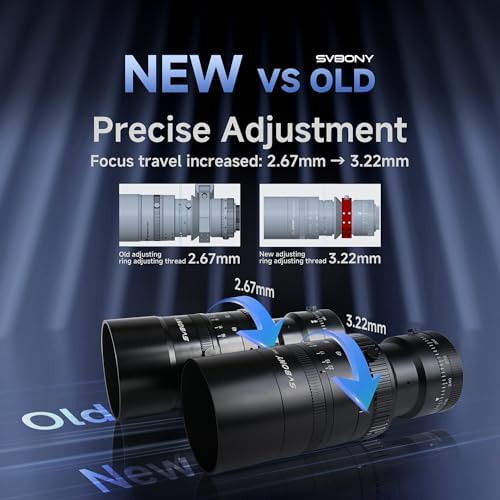
SVBONY SV555 APO astrophotography refractor telescope
$555
Refractor Professional For deep sky
 8.1
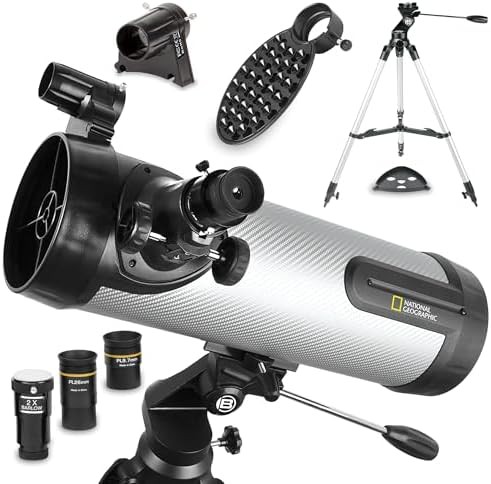 8.0
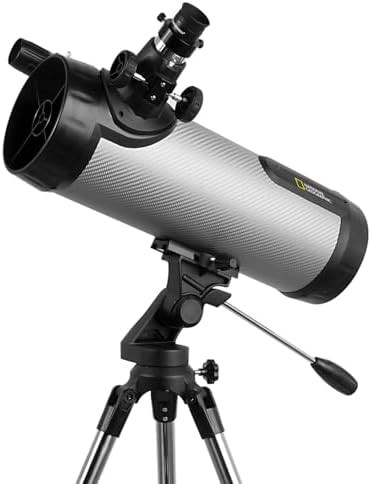
Explore Scientific
Carbon fiber 114mm reflector with tripod
$142
Red For moon viewing Tripod included With phone adapter Reflector
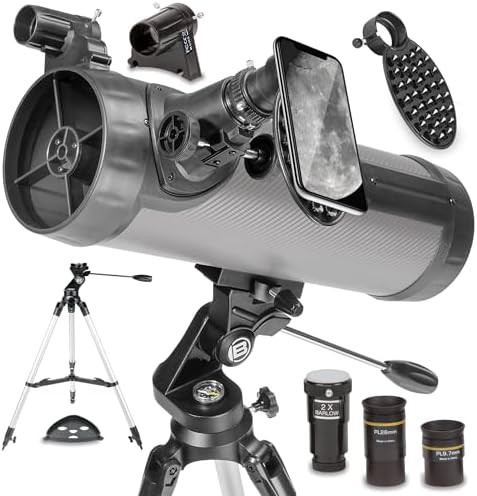 7.3
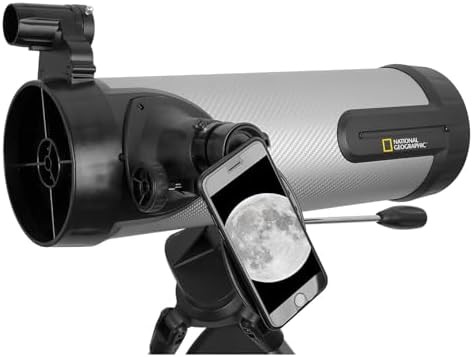
Explore Scientific
Reflector 114mm with smartphone adapter
$79.99
For moon viewing With phone adapter Reflector For deep sky 114mm aperture
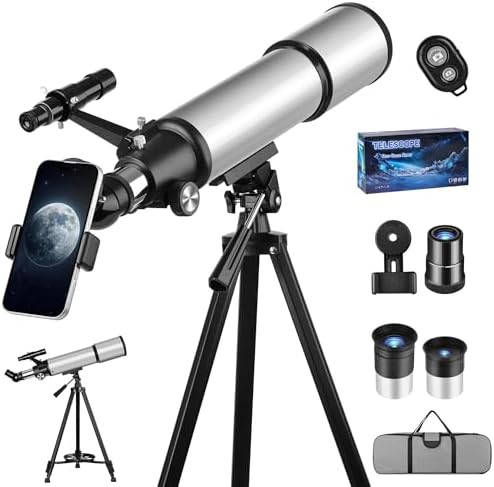 6.9
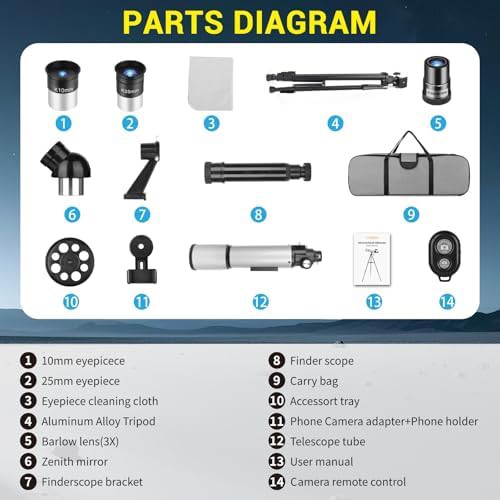
Shenzhen Lanyi Digital Technology
Refractor telescope with 90mm aperture and 600mm focal
$75.99
For adults For beginners Refractor 90mm aperture For deep sky
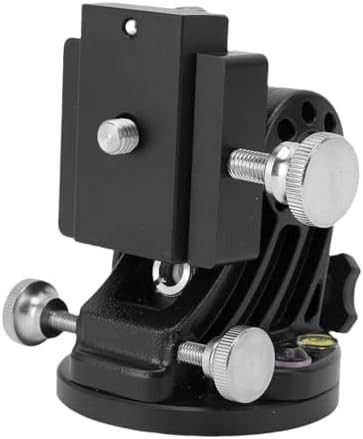 6.0
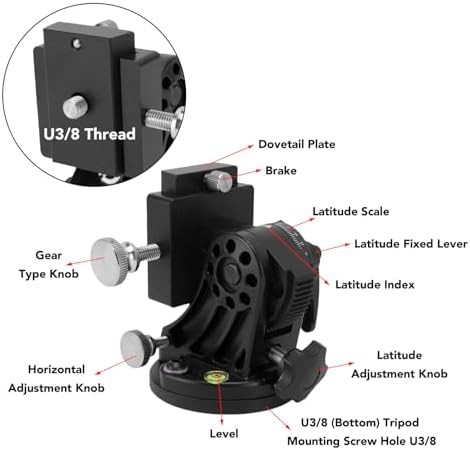
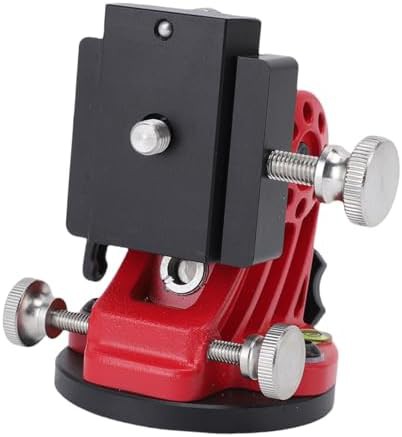 6.0
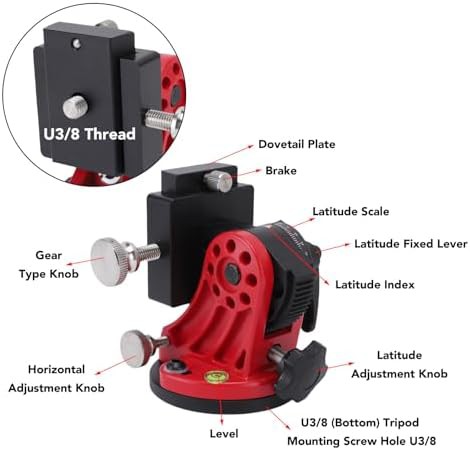
FO
Black and red equatorial latitude adjustment base
$89.05
Black For adults Tripod included Equatorial mounts
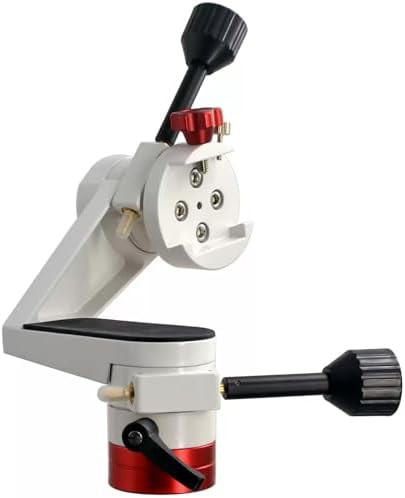 5.0
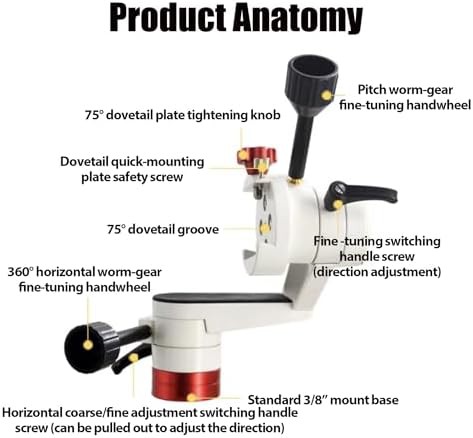
BJLIFE
Altazimuth mount with fine adjustment controls
$107
For adults Tripod included Altazimuth mounts Equatorial mounts
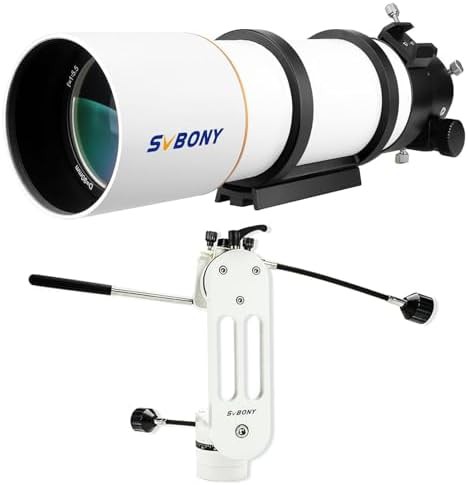
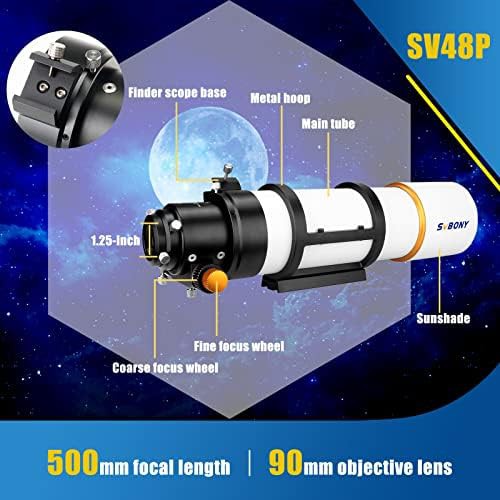
SVBONY
SVBONY 90mm refractor telescope with mount
$330
For adults For beginners Refractor For moon viewing Altazimuth mounts 90mm aperture
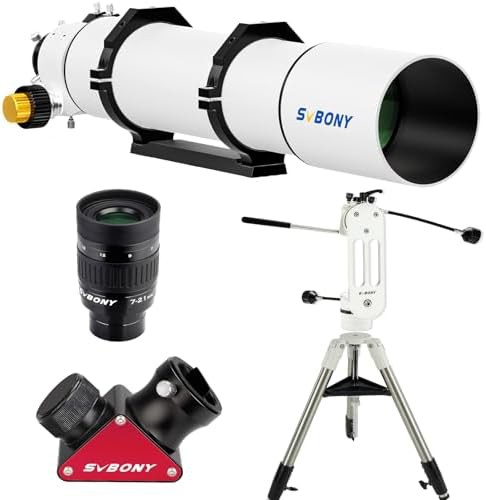
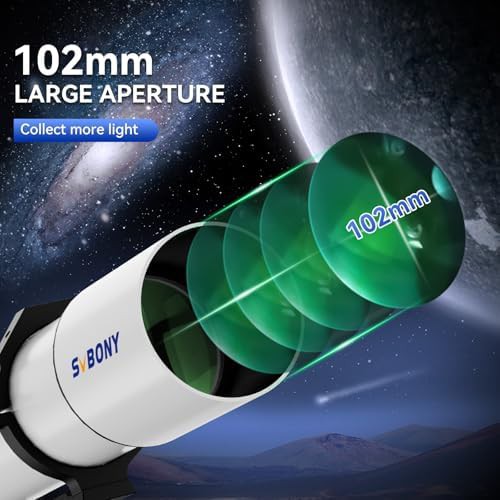
SVBONY
SVBONY 102mm beginner telescope kit
$537
For adults For beginners Tripod included Altazimuth mounts
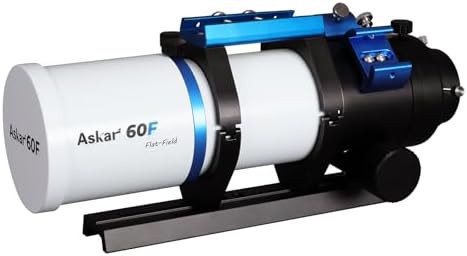
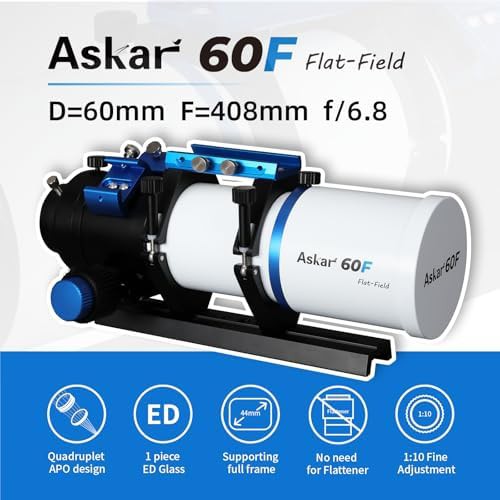
Askar
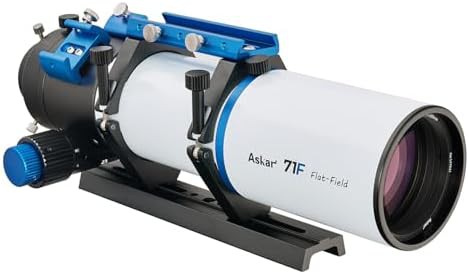
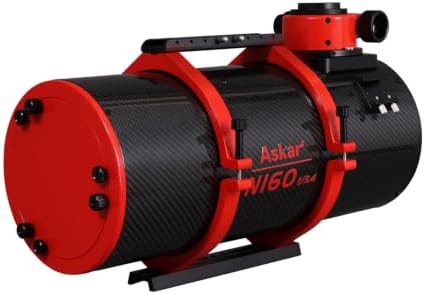
Portable 60mm flat field refractor telescope
$499
Refractor Portable For deep sky 60mm aperture
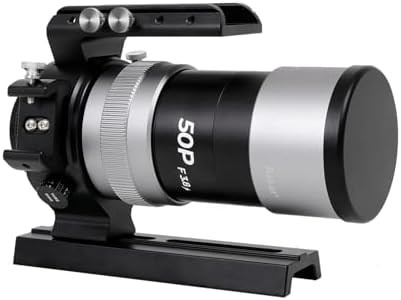
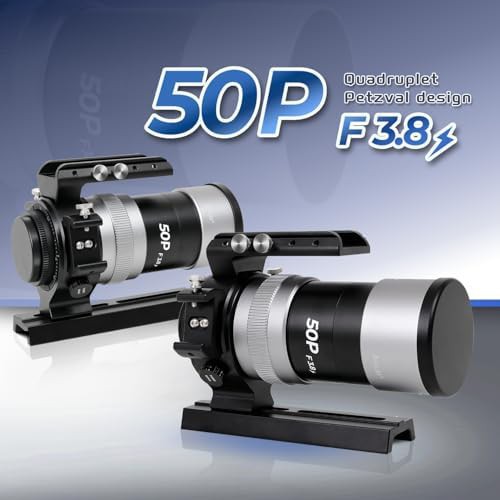
Askar
Professional 50mm quadruplet apo astrograph
$299
Refractor Portable Professional For deep sky 50mm aperture
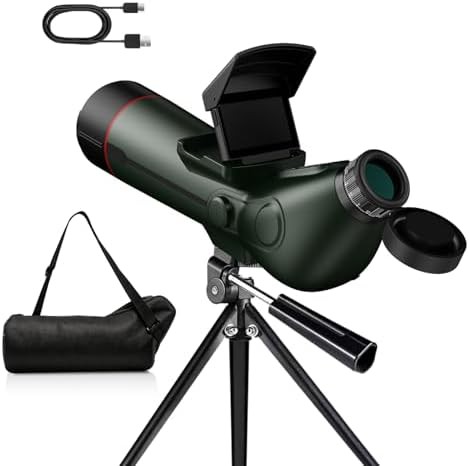
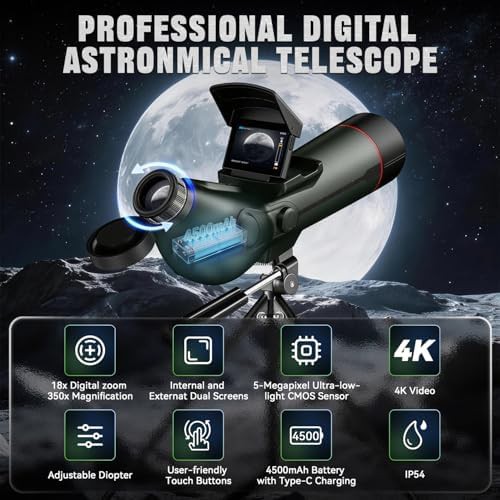
VOTJPYS
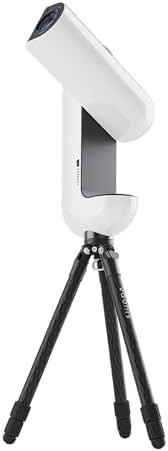
Auto focus smart digital electronic telescope
$241
For adults Tripod included Professional Smart Digital
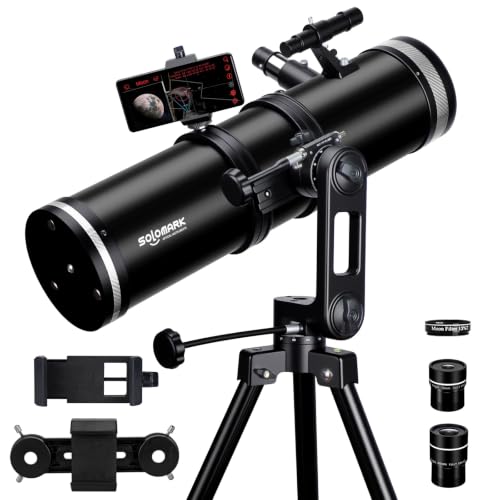
SOLOMARK
130mm Professional Astronomical Telescope
$200
130mm aperture Adults Beginners Kids Moon viewing
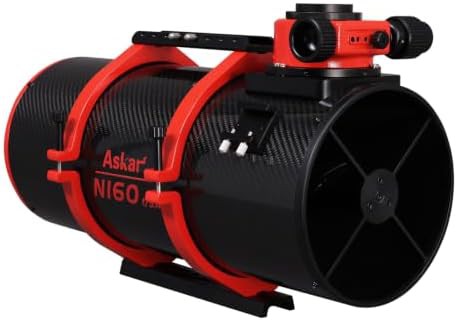
JVAXS
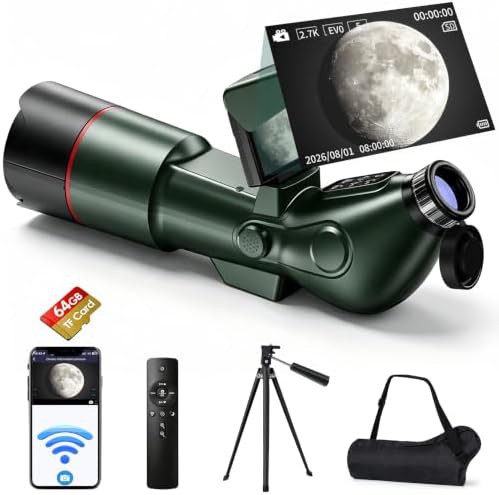
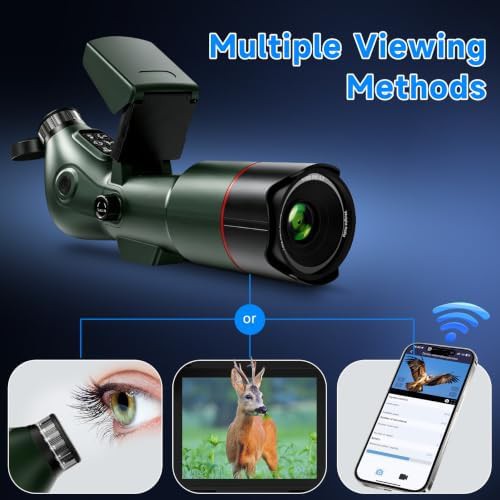
Smart digital telescope with flip screen
$259
For adults For beginners For kids For moon viewing Smart

Before you buy
Astrophotography telescope questions
Do I need a camera, or can I use my phone?
Some kits include a smartphone adapter that holds a phone over the eyepiece, which works for bright objects like the Moon and planets. The dedicated astrographs are set up for a camera at the focuser instead. If you want long exposures of faint nebulae, a phone will hold you back.
What does the ED or SD glass actually change?
ED and SD glass elements in an air-spaced quadruplet reduce false color around bright stars. That matters most when a camera is integrating over time, because color fringing builds up. Visual use benefits too, but the difference shows more in images.
Why do the reflectors have such low focal ratios?
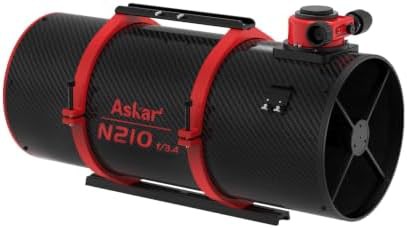
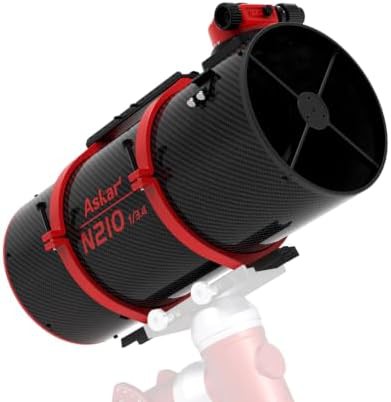
Ratios like F3.4 let the scope collect more light in a shorter exposure, which suits faint deep-sky targets. The trade-off is that fast Newtonians need collimation and often a coma corrector for clean stars at the edges. Refractors at F6.8 or F6.9 are slower but hold shape across the frame.
What mount do these attach to?
The refractor tubes carry a Vixen dovetail plate, which fits the common Vixen-style saddle on many equatorial and alt-az mounts. The Newtonian astrographs are optical tubes that also expect a separate mount. None of these include a mount, so plan for that separately.
What the imaging path looks like
These telescopes are built around a camera rather than an eyepiece. The refractors use ED or SD glass in quadruplet air-spaced APO designs, which keeps color fringing down when a sensor is gathering light for minutes at a time. The Newtonian reflectors take the other route, with fast focal ratios and large apertures to pull in faint deep-sky signal.
Bodies, glass, and mounting points
Tube assemblies come in red or black, and the refractor optical tubes carry a Vixen dovetail plate for attaching to a mount. Apertures run from 50mm up to 210mm, with focal ratios spanning F3.4 to F6.9 depending on the design. Some kits bundle a smartphone adapter so a phone can sit over the eyepiece, while the dedicated astrographs expect a proper camera at the back.
Where each design gives ground
Fast Newtonians gather more light per second but need collimation and show coma toward the edges without a corrector. The flat-field refractors hold star shape across the frame but trade aperture for that correction, so faint targets take longer. Phone-adapter kits are the simplest entry, though a phone sensor limits how much detail and faint nebulosity you can pull out.