 9.4
Telescopes / Dobsonian
This group
Dobsonian Telescopes
Checked 2026-10-24
Simple, stable floor-based mounts paired with large Newtonian reflectors 19 telescopes · 6 brands
For adults
For beginners
For kids
Refractor
For moon viewing
Portable
Tripod included
For travel
Budget
With phone adapter
Altazimuth mounts
90mm aperture
80mm aperture
Equatorial mounts
Reflector
70mm aperture
Professional
For bird watching
For deep sky
For astrophotography
600mm focal length
Black
Smart
Digital
Dobsonian
800mm focal length
Monocular
400mm focal length
White
50mm aperture
STEM learning
Tabletop mounts
Maksutov-Cassegrain
130mm aperture
60mm aperture
900mm focal length
114mm aperture
300mm focal length
Blue
Waterproof
700mm focal length
Red
Green
Best Dobsonian Telescopes
9.4
 9.4
BuiltAstro
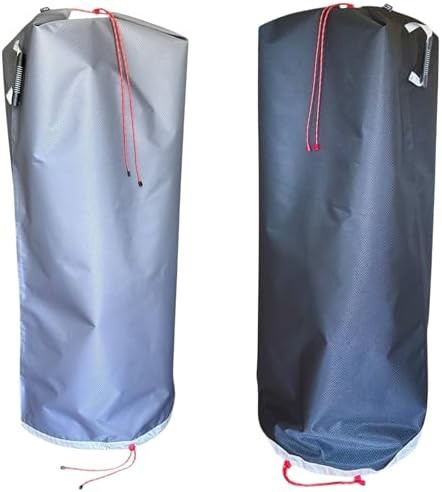
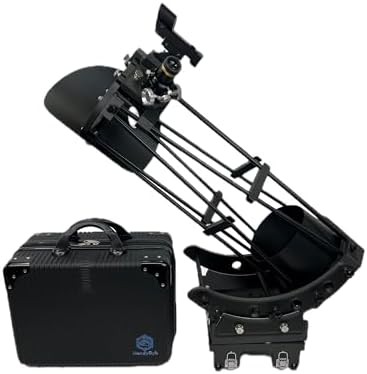
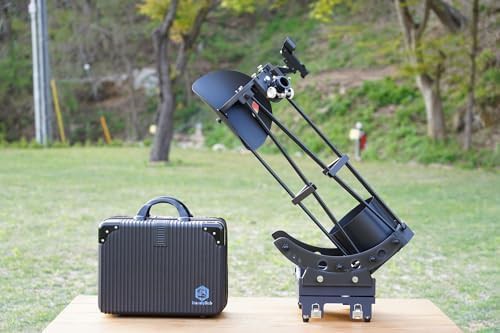
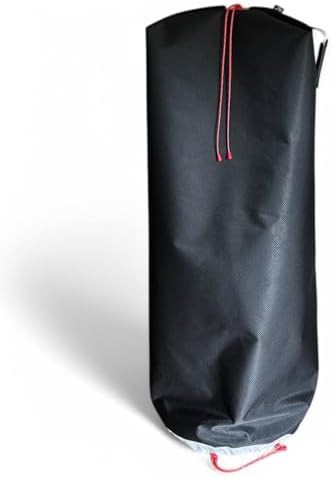
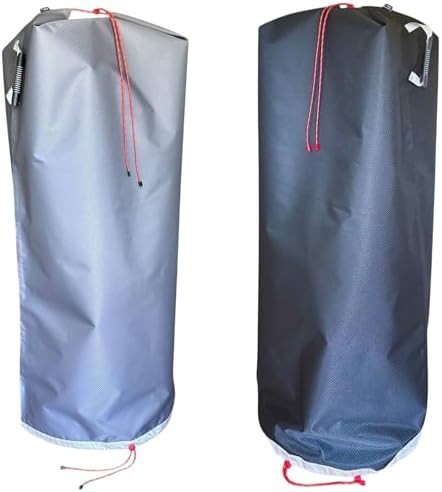
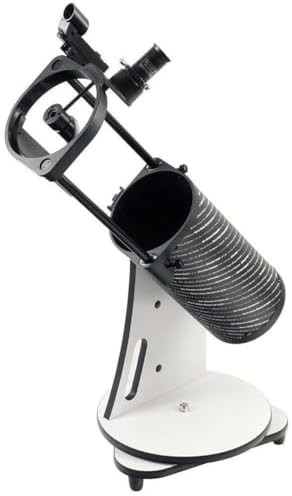
Portable six inch Dobsonian with light shroud
$815
For moon viewing Portable For travel For deep sky
 9.3
 9.0
Sky-Watcher
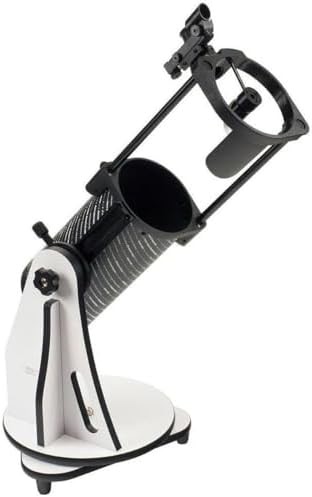
Heritage 130mm tabletop Dobsonian black telescope
$305
Black For beginners White Tabletop mounts 130mm aperture
 8.8
 8.2
 8.2
Sky-Watcher
Heritage 150 tabletop Dobsonian moon viewing telescope
$355
For beginners For moon viewing Portable Tabletop mounts
 8.1
 8.0
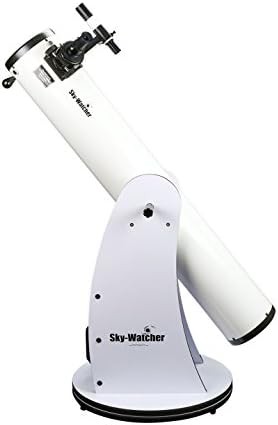
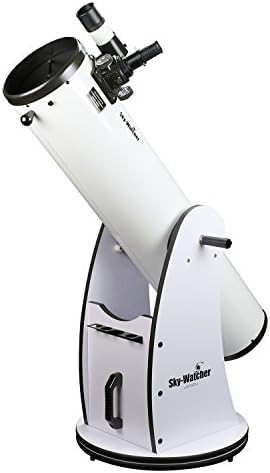 8.0
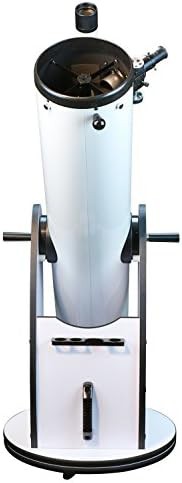
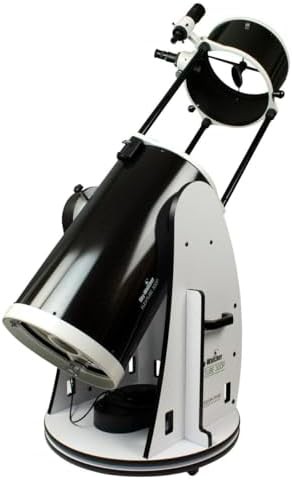 7.1
 6.9
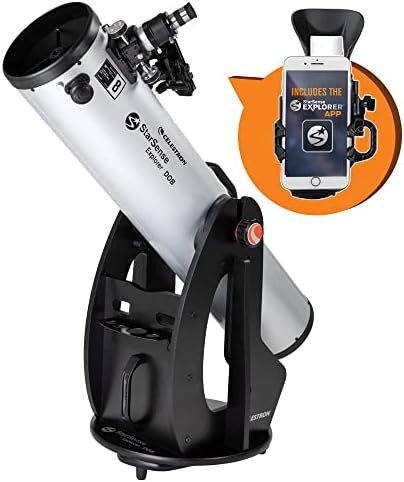
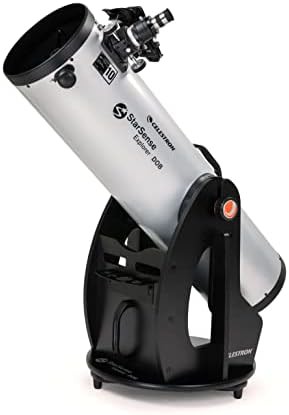
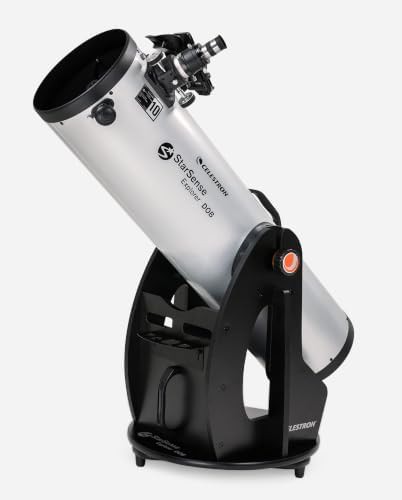
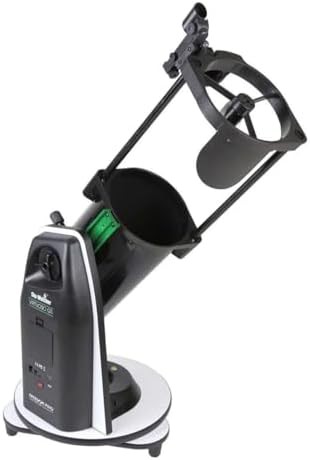
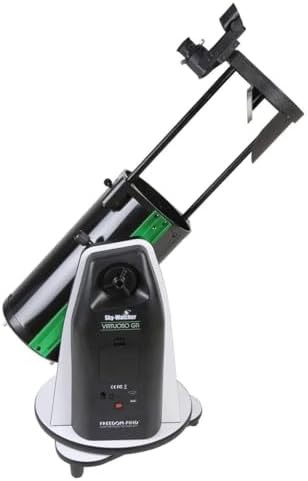
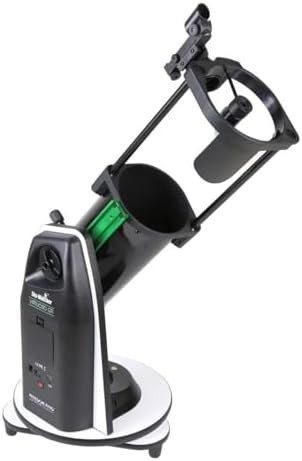
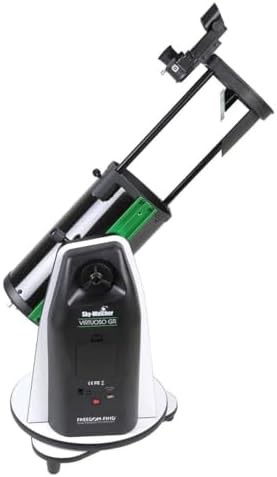
Sky-Watcher U
Tabletop collapsible goto dobsonian 130mm
$495
For moon viewing Tabletop mounts 130mm aperture
Before you buy
Dobsonian questions
Do I need to collimate a Dobsonian?
Yes, Newtonian reflectors need their mirrors aligned, and a Dobsonian is no exception. The process is straightforward with a collimation cap or laser, and many owners check it before a session. It is a routine part of owning this type of scope.
Can a Dobsonian be used on a balcony or small patio?
A tabletop model works well on a balcony because it sits on a small flat surface and does not need much room to swing. A full-size floor-standing Dobsonian needs a wider footprint and clear space around it. The base pivots in a full circle, so you need room for the tube to move.
What is the difference between a tabletop Dobsonian and a full-size one?
A tabletop Dobsonian has a short tube and a base that sits on a table or stool, making it easy to store and carry. A full-size Dobsonian stands on the ground with a taller base and a longer tube, which gives it more aperture and a higher eyepiece position. The trade-off is size and weight.
Is a Dobsonian good for looking at planets?
Yes, the large aperture of a Dobsonian gathers plenty of light, and planets show detail well when the scope is collimated and the atmosphere is steady. The simple mount tracks smoothly by hand, which is fine for visual observing. You do not need motors to follow a planet at low to medium power.
A Newtonian on a rocker box
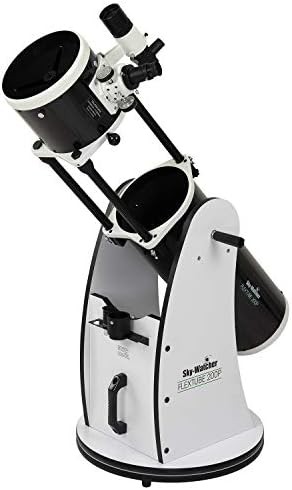
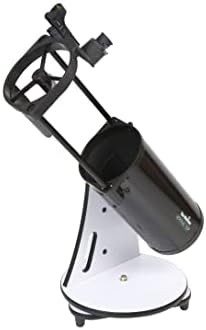
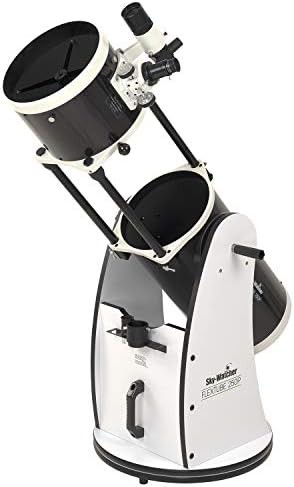
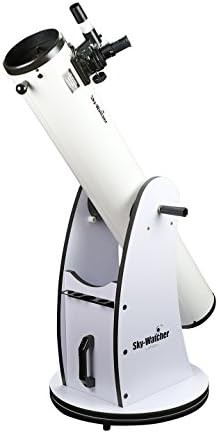
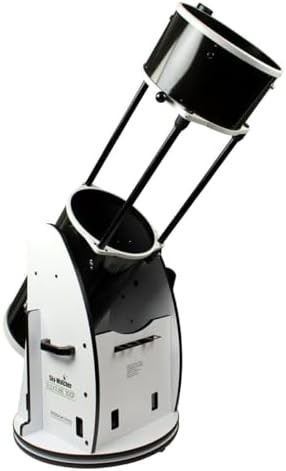
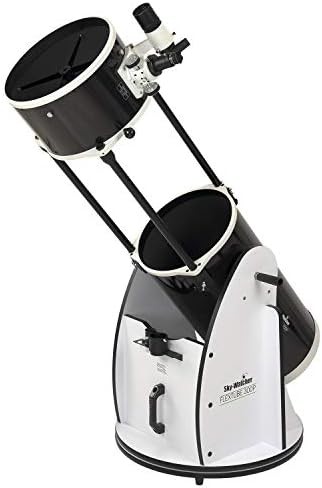
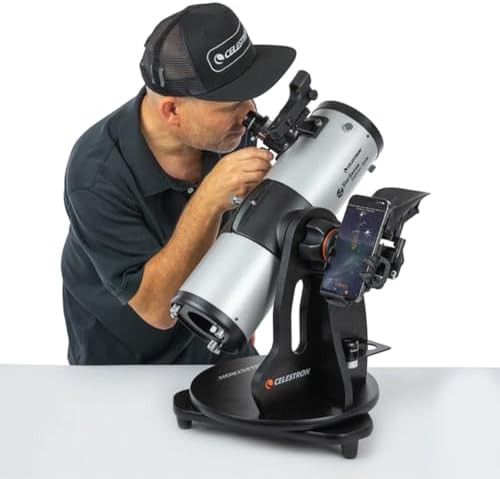
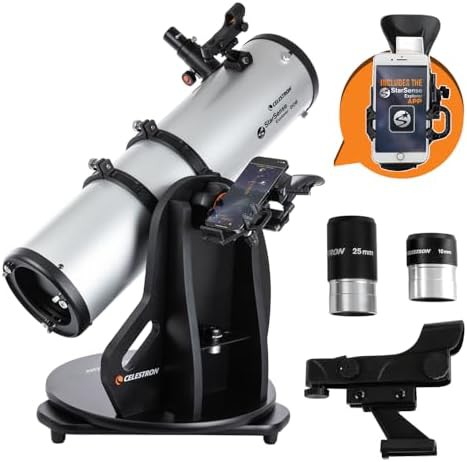
A Dobsonian is a Newtonian reflector riding a simple, low-slung mount that sits directly on the ground or a table. The mount is the defining feature: a wooden or particle-board rocker box with a lazy-Susan bearing at the base and altitude bearings on the tube, so the whole thing pivots smoothly by hand. There are no motors, no counterweights, and no tripod legs to level or spread. You set the base down, drop the tube in, and you are ready to look.
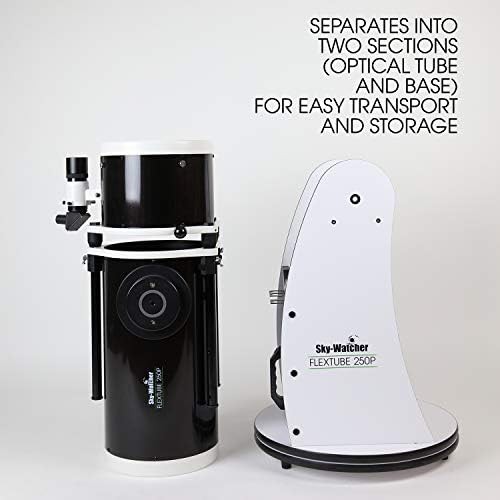
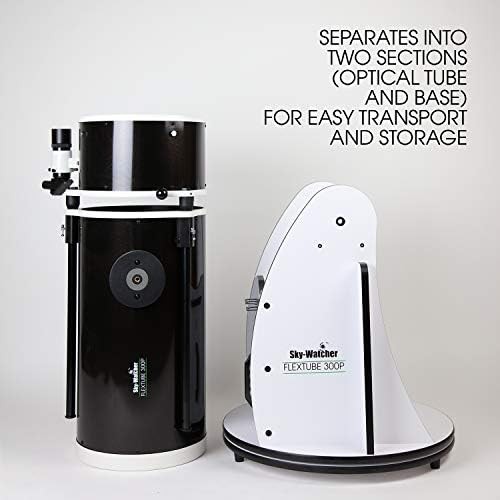
The tube itself is usually a solid cylinder, though some larger models break down into a truss. The finish is almost always black or white, and the base is often a dark wood tone or black. Because the mount is so basic, the same money that would go toward a complex equatorial head on another scope goes into aperture here instead.
Sizes, tabletop versions, and what you actually get
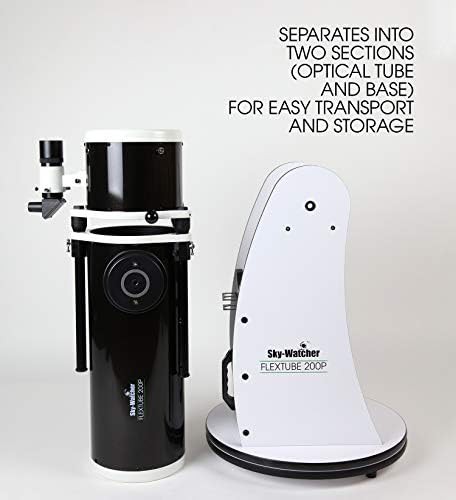
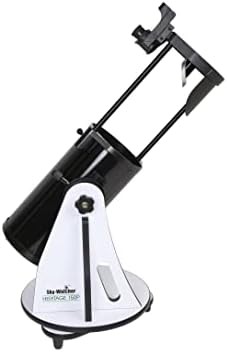
Dobsonians come in a wide span of apertures, from small tabletop models around 114mm up through 150mm, 8-inch, 10-inch, and 12-inch floor-standing tubes. The tabletop versions are short and squat, meant to sit on a picnic table or a sturdy stool, and they are light enough to carry out in one hand. The larger sizes are full-height tubes that stay assembled in a corner or a garage and get rolled or carried out in two pieces.
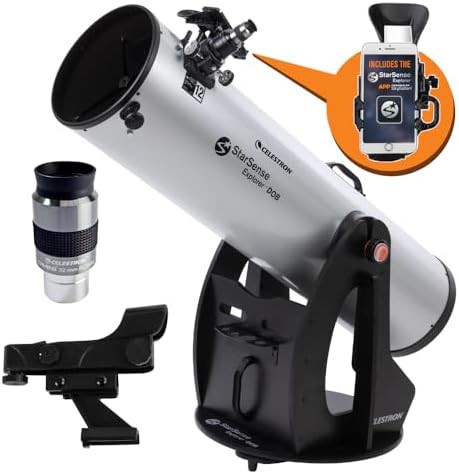
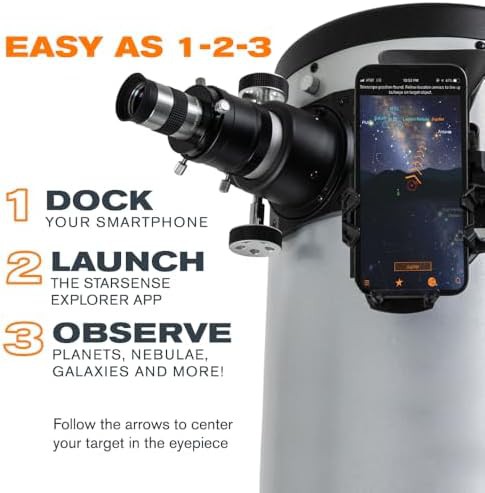
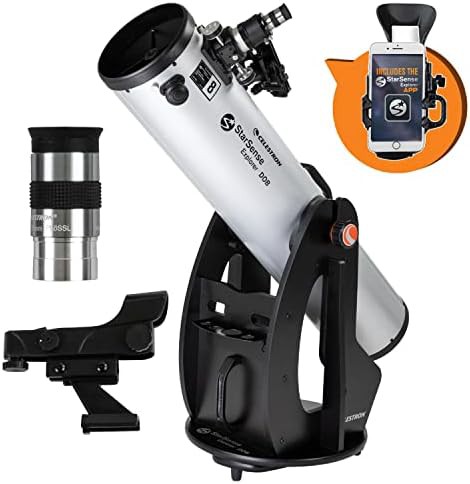
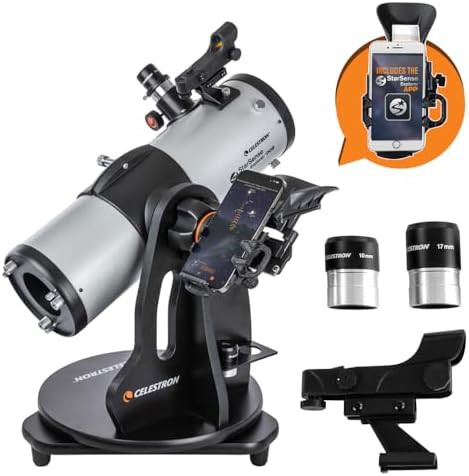
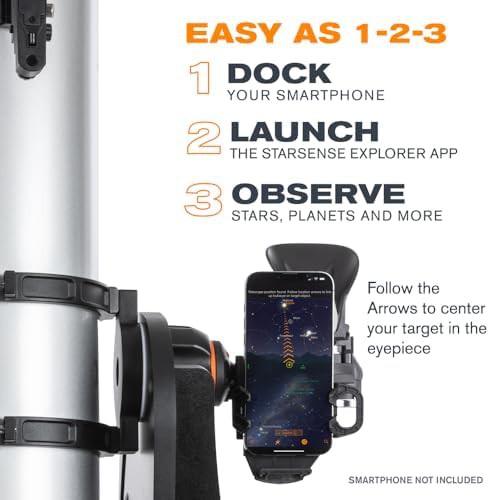
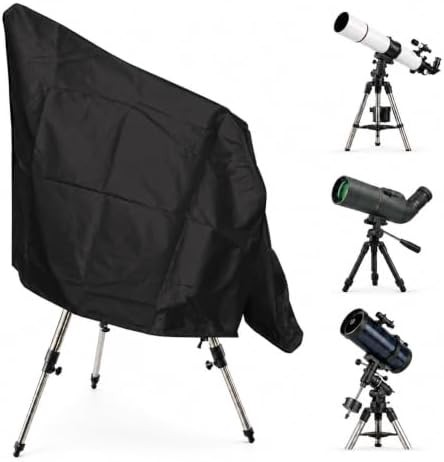
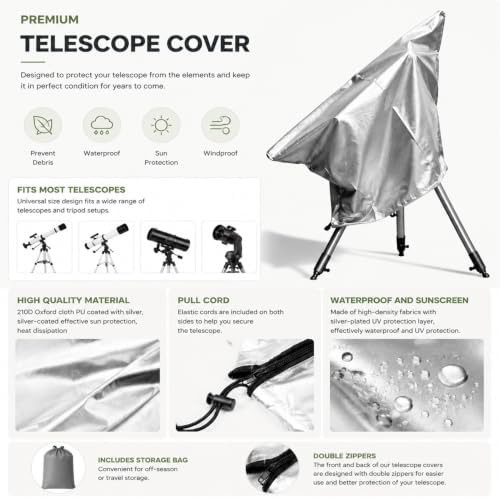
The eyepiece sits near the top of the tube on the side, which can mean standing or crouching depending on the scope’s height and your own. Focus is a simple rack-and-pinion knob. Some models include a smartphone dock that uses an app to help you find objects, but the optical tube and the rocker box are the whole product. A cover is a separate purchase, not part of the scope.