 9.1
Telescopes / Monocular
This group
Monocular Telescopes
Checked 2026-10-24
Handheld single-lens optics for quick terrestrial and celestial viewing 16 telescopes · 13 brands
For adults
For beginners
For kids
Refractor
For moon viewing
Portable
Tripod included
For travel
Budget
With phone adapter
Altazimuth mounts
90mm aperture
80mm aperture
Equatorial mounts
Reflector
70mm aperture
Professional
For bird watching
For deep sky
For astrophotography
600mm focal length
Black
Smart
Digital
Dobsonian
800mm focal length
Monocular
400mm focal length
White
50mm aperture
STEM learning
Tabletop mounts
Maksutov-Cassegrain
130mm aperture
60mm aperture
900mm focal length
114mm aperture
300mm focal length
Blue
Waterproof
700mm focal length
Red
Green
Best Monocular Telescopes
9.1
 9.0
 8.9
 8.9
Emarth
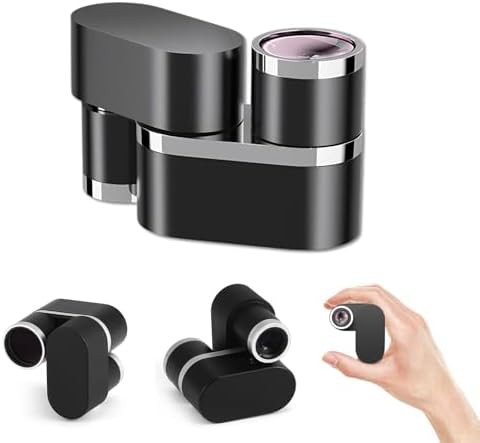
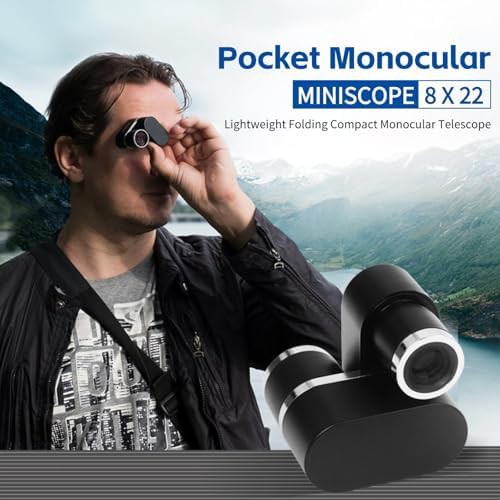
Waterproof eight by forty-two monocular
$30.77
For adults For beginners For kids For travel Budget For bird watching
 8.6
 8.5
Aubric
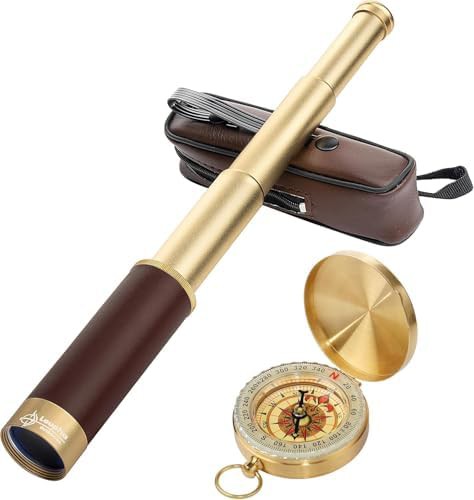
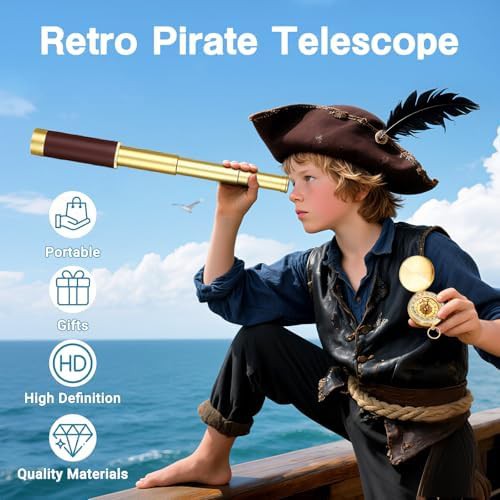
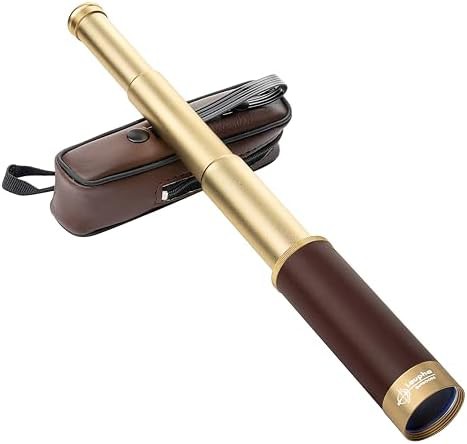
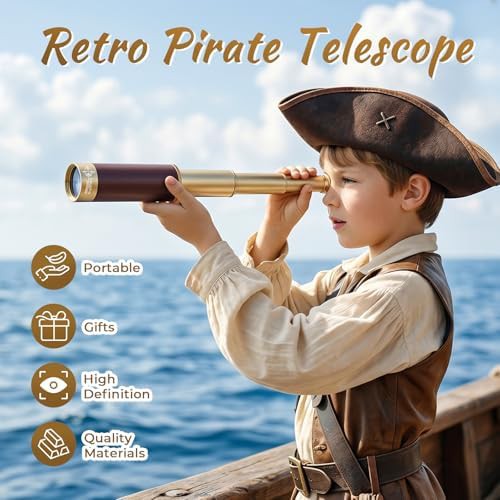
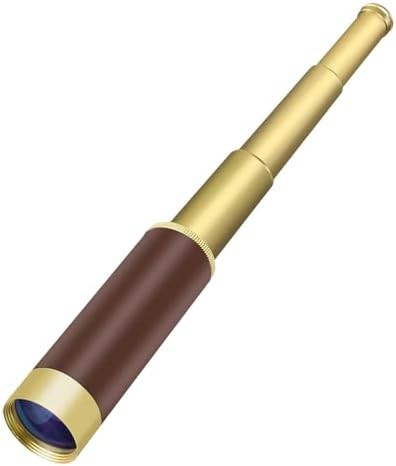
Collapsible brass pirate monocular for travel
$19.99
For adults For kids Portable For travel Budget
 8.1
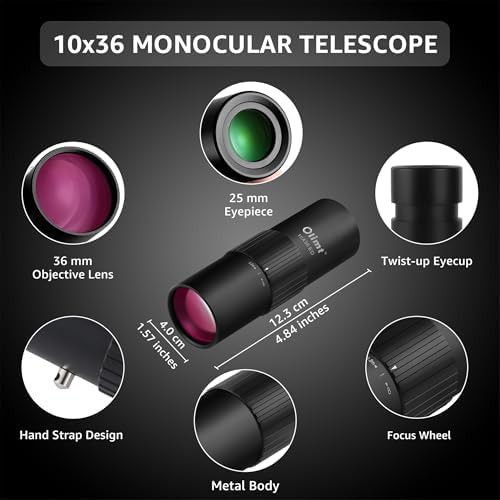
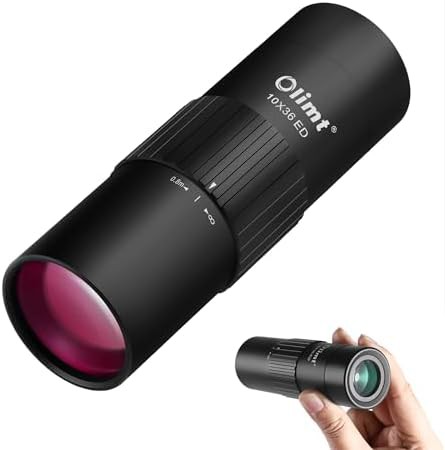
OLIMT
Compact 10x36 Monocular with ED Lens
$124
For adults Portable For travel Professional For bird watching
 6.8
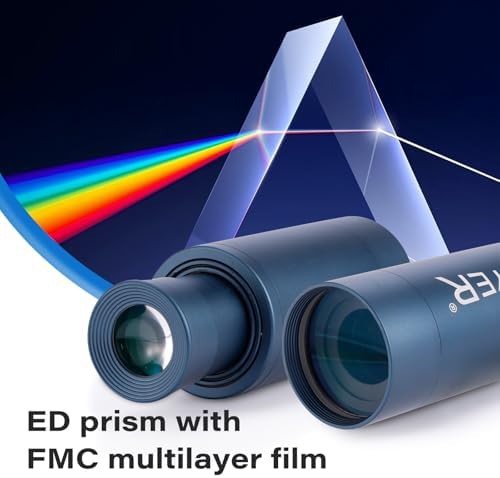
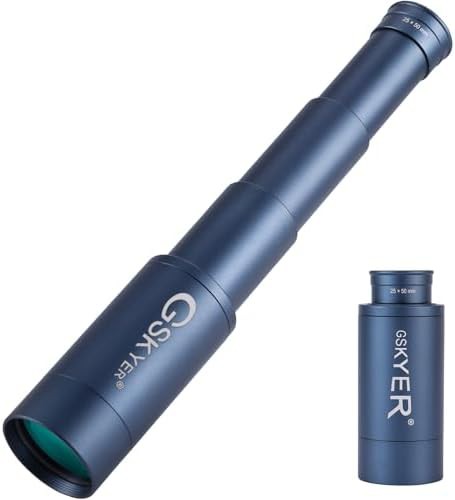
Gskyer
High powered 50mm monocular for hunting and camping
$69.22
Men For adults For kids 50mm aperture
 5.8
 4.2
XYZsundy
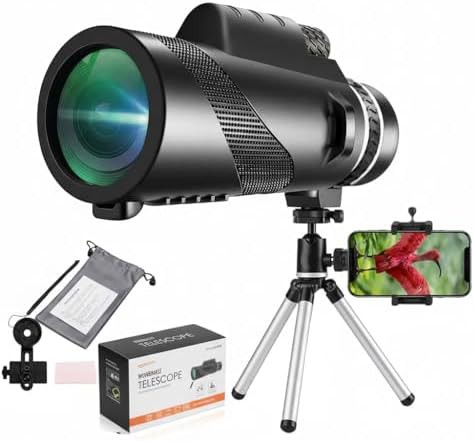
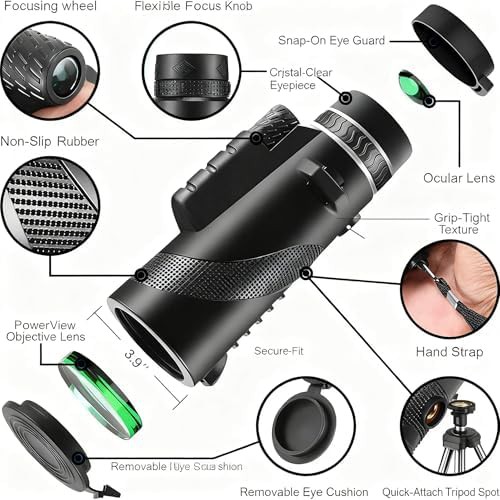
Black monocular telescope and spotting scope
$9.99
Black For adults Portable Tripod included For travel Budget
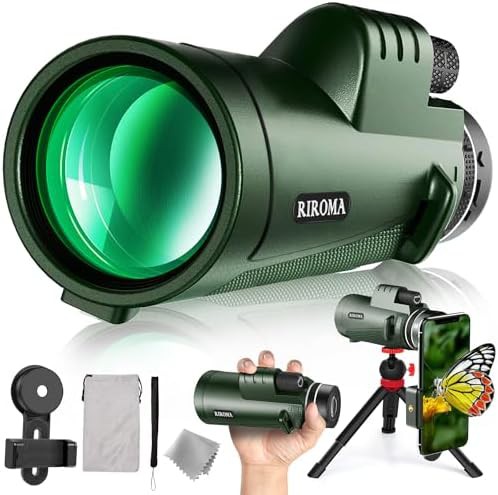
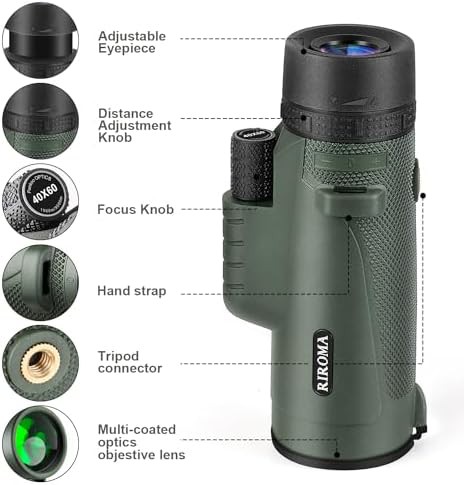
RIROMA
Compact 40x60 monocular with tripod and holder
$59.99
For adults For kids Tripod included For bird watching Budget
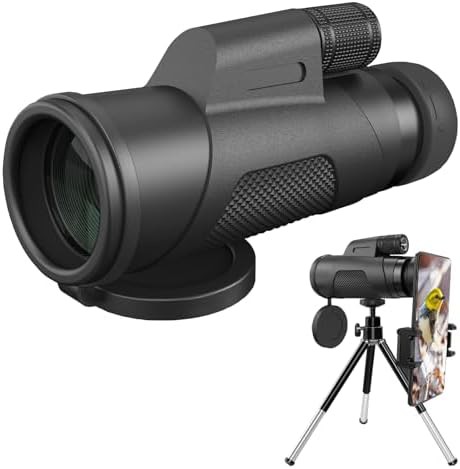
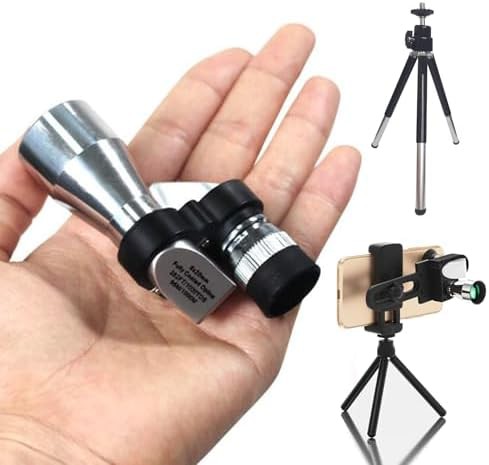
AMITHER
High powered monocular with phone adapter
$29.99
For adults Portable Tripod included For travel Budget With phone adapter
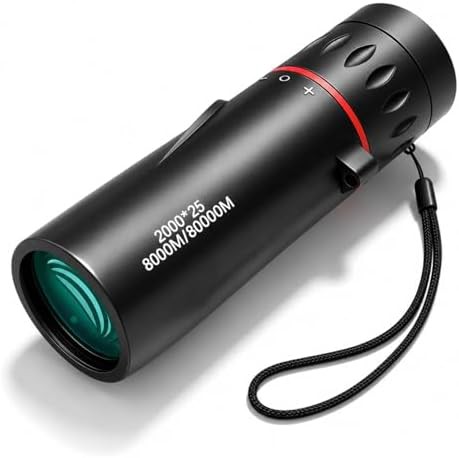
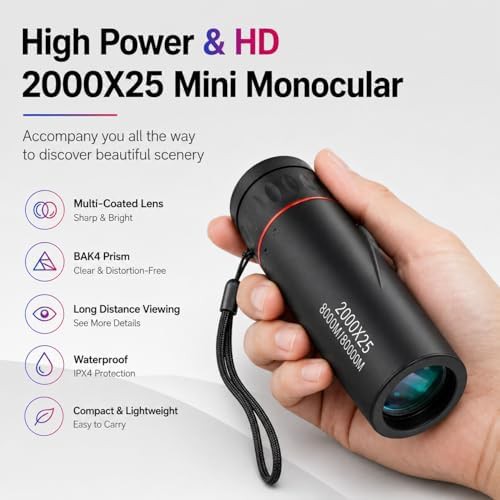
CLNXMT
Lightweight mini monocular with green coating
$9.99
Green For adults For kids For travel Budget With phone adapter
 7.7
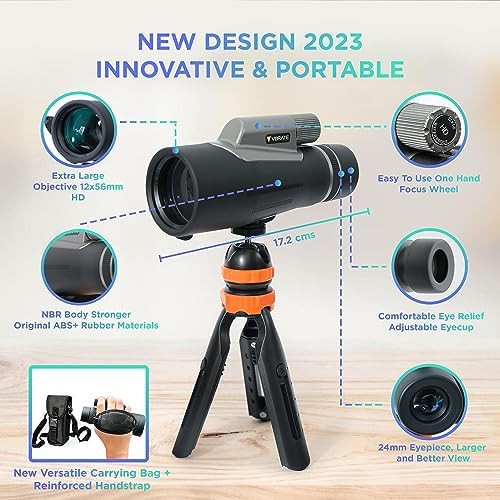
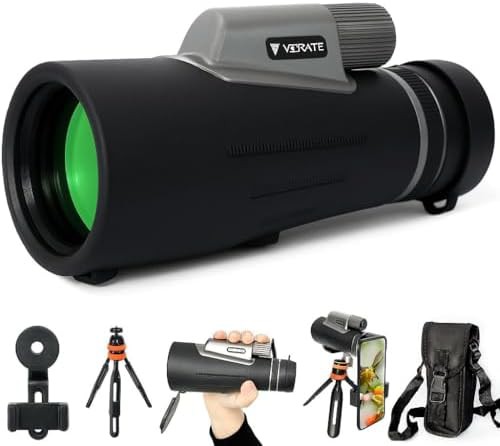
Tikkuno
Waterproof high power monocular with tripod
For adults Portable Tripod included For travel With phone adapter For bird watching
 6.6
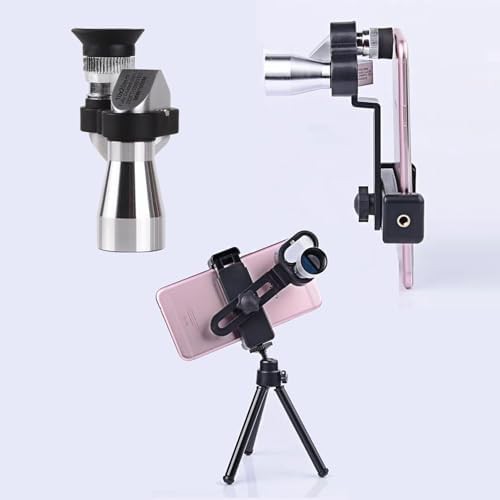
AOTUHA
Compact handheld monocular with smartphone adapter
For adults Portable For travel With phone adapter For bird watching
 4.0
Before you buy
Monocular telescope questions
Can a monocular telescope be used for stargazing?
Yes, but the experience depends on magnification and aperture. A 10x36 or 25x50 monocular can show the moon’s craters and bright planets, while smaller 8x20 or 8x25 pocket models are better for quick terrestrial views. Hand-holding at higher power makes fine detail harder to hold steady.
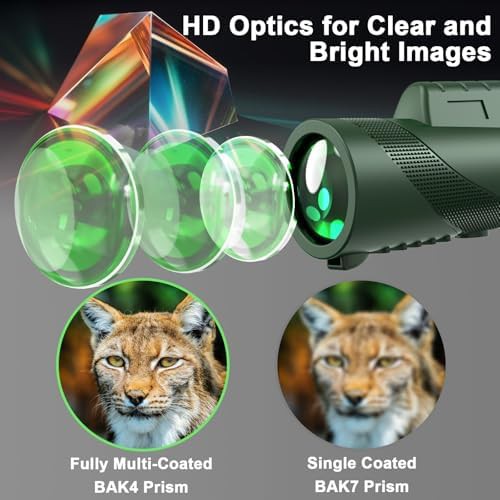
What does BAK-4 prism mean on a monocular?
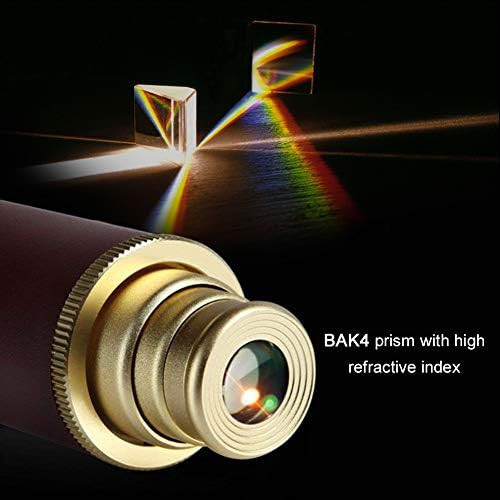
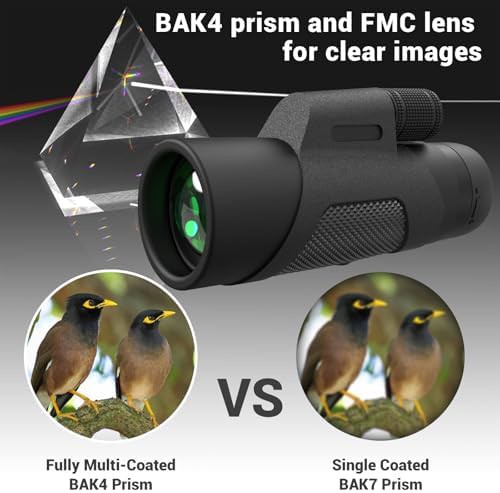
BAK-4 is a type of glass prism used to fold the light path inside the tube. It generally produces a brighter, sharper image than lower-grade prism glass, especially at the edges. Several samples list BAK-4 alongside fully multi-coated lenses for that reason.
Are these monoculars waterproof?
Many of the modern compact models are listed as waterproof and fogproof, which helps in damp or rainy conditions. The retro pirate-style spyglasses typically do not carry those claims, so they are better kept dry. Check the individual model if weather resistance matters for your use.
What magnification is best for a handheld monocular?
For stable handheld viewing, 8x to 10x is comfortable for most people. Higher magnifications like 25x give more reach but amplify hand shake, so they work best braced against something solid. The samples include both ranges, so the choice comes down to whether you prioritize steadiness or reach.
A single tube for one-handed viewing
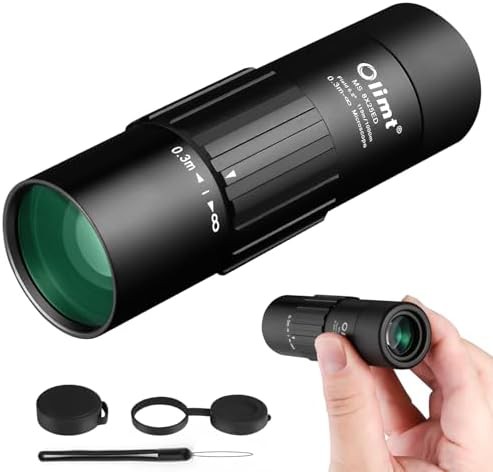
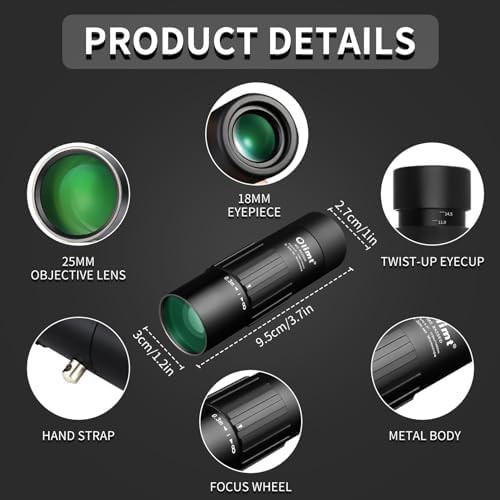
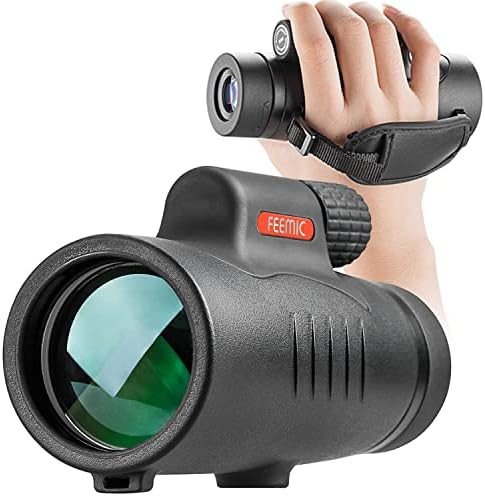
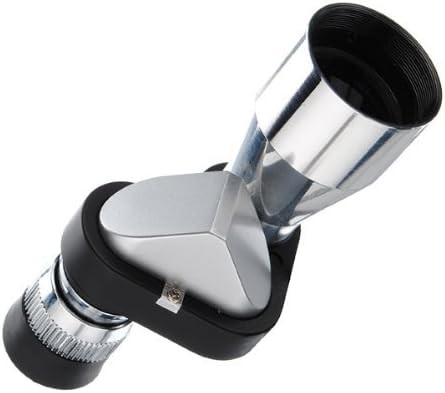
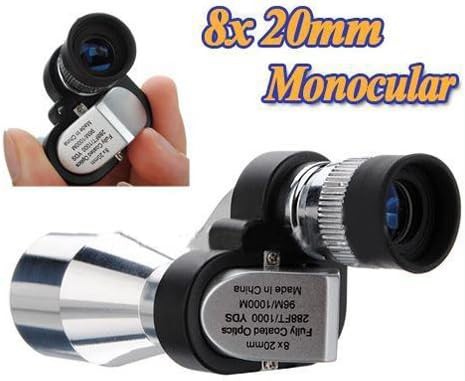
A monocular telescope is a single, straight tube you hold up to one eye. It strips away the second barrel and the hinge of a binocular, leaving a pocket-sized optic that can be carried in a jacket or a small pack. The samples here range from compact 8x20 and 8x25 pocket models to larger 10x36 and 25x50 handheld scopes, all built for quick looks at birds, scenery, or the night sky without setting up a tripod.
How it differs from a two-eyed view
Where a binocular splits light between two tubes, a monocular sends the full aperture to one eye. That means a smaller, lighter body for the same magnification, which is why these are often chosen for hiking, travel, or a glovebox. The trade-off is that you view with one eye closed or squinted, and holding a higher-power monocular steady by hand takes more concentration than bracing a binocular against your brow.
Sizes, finishes, and details in hand
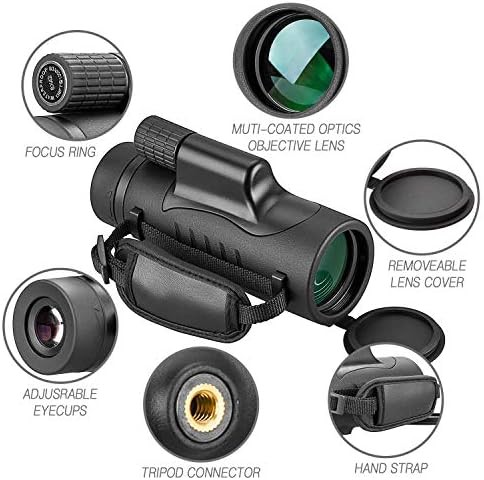
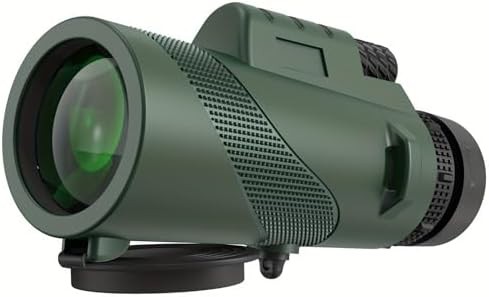
The samples show a clear split between modern compact models and retro pirate-style spyglasses. Modern versions come in black or green rubberized bodies with ED glass, BAK-4 prisms, and fully multi-coated lenses, often waterproof and fogproof. The retro pirate telescopes are collapsible brass or brass-toned tubes with 25x30 zoom, styled after a captain’s spyglass and sized for kids or costume use. A few models land in between, like a 25x50 high-powered monocular with a BAK4 prism and FMC lens, or a mini 25X with green multilayer coating for outdoor use.