 8.9
Emarth
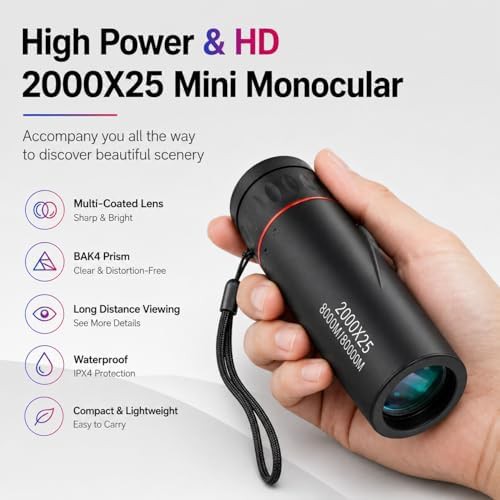
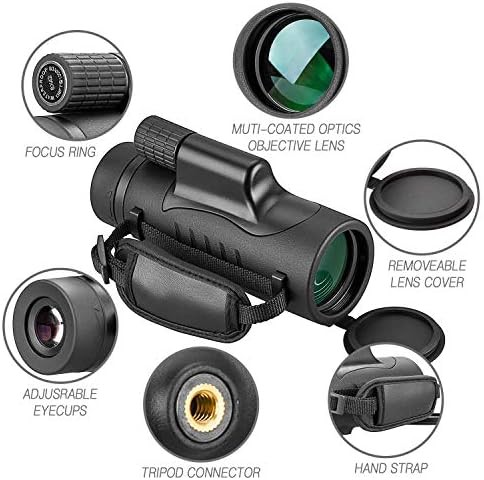
Waterproof eight by forty-two monocular
$30.77
For adults For beginners For kids For travel Budget
Terrestrial-capable optics with upright images for wildlife observation 27 telescopes · 21 brands
8.9
For adults For beginners For kids For travel Budget
 8.2
Refractor For moon viewing For travel 70mm aperture Budget
 8.1
For adults Portable For travel Professional Monocular
 8.0
For beginners Refractor For kids For moon viewing Portable
 8.0
 7.5
 6.6
 5.8
 4.2
Black For adults Portable Tripod included For travel Budget
For beginners Refractor For kids For moon viewing Portable For travel
For adults For kids Tripod included Monocular Budget
For adults Portable Tripod included For travel Budget With phone adapter
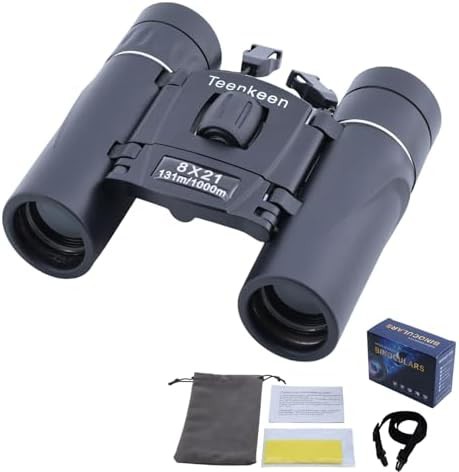
For adults For beginners For kids Portable For travel Budget
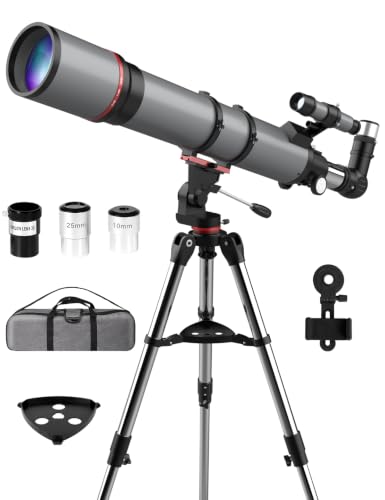
800mm focal length 90mm aperture Adults Beginners Kids
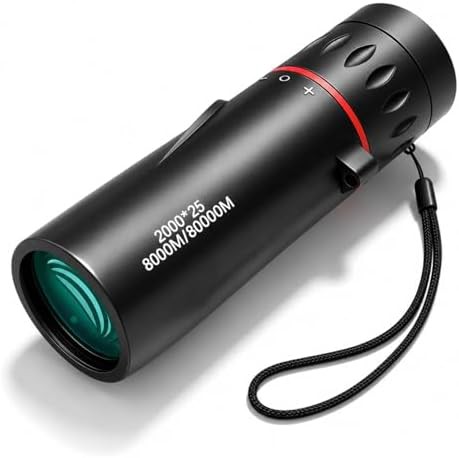
Green For adults For kids For travel Budget With phone adapter
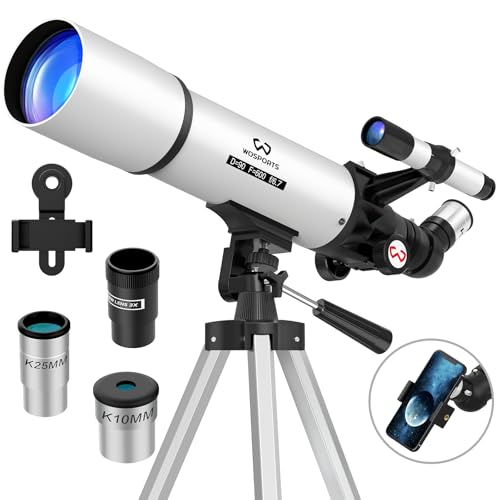
600mm focal length 90mm aperture Adults Beginners With phone adapter
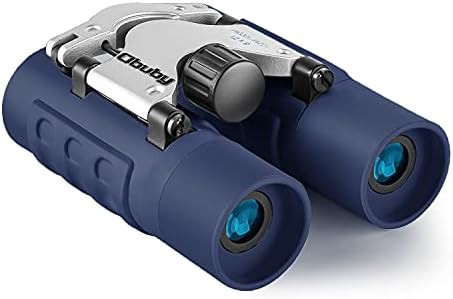 9.4
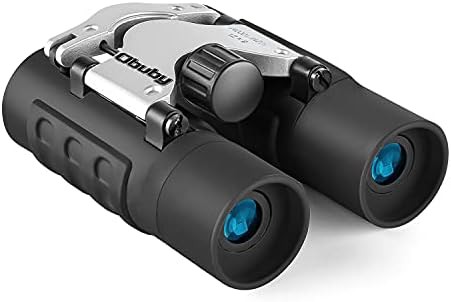 9.2
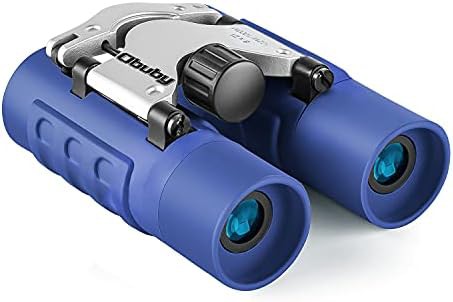 9.1
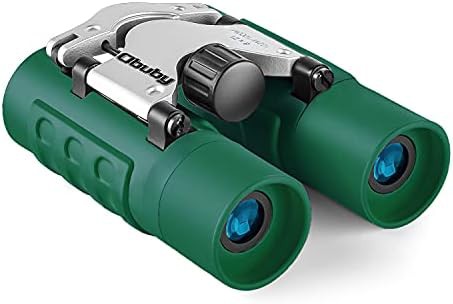 9.1
 7.7
For adults Portable Tripod included For travel With phone adapter
 6.6
For adults Portable For travel With phone adapter Monocular
 4.0
For kids Portable Budget Digital
For kids Portable Budget Digital
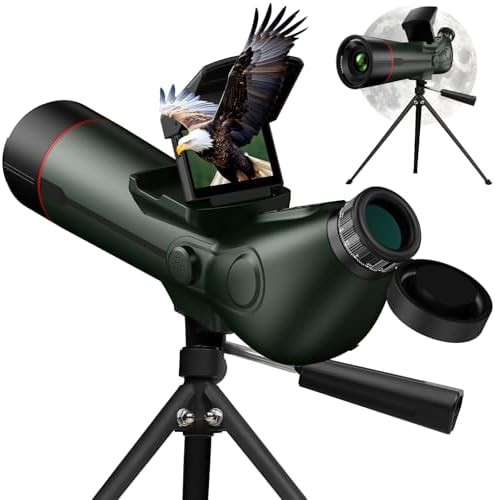
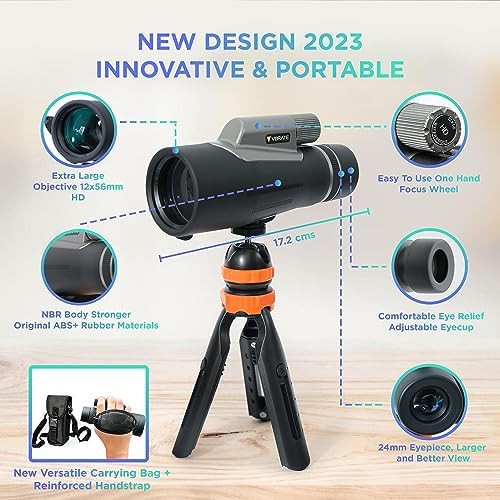
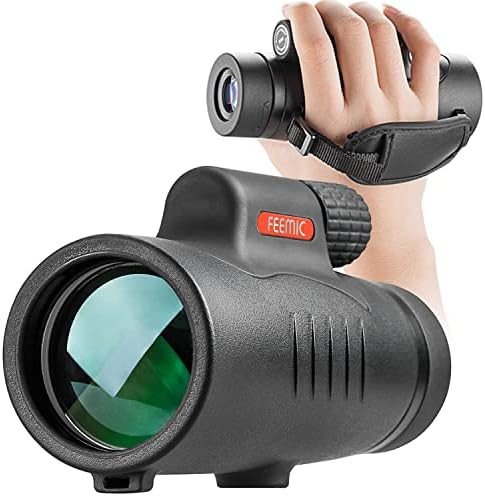
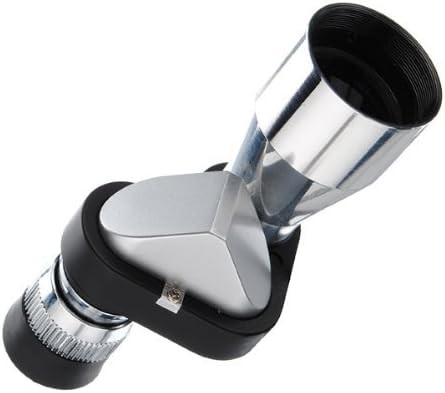
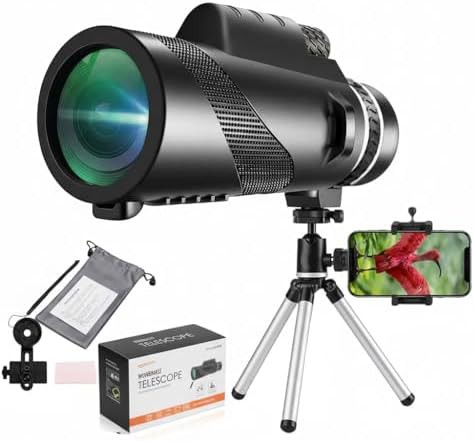
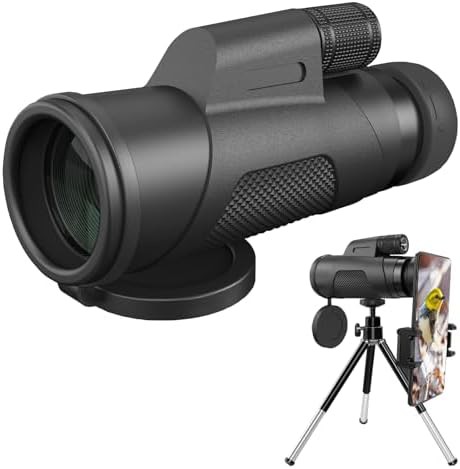
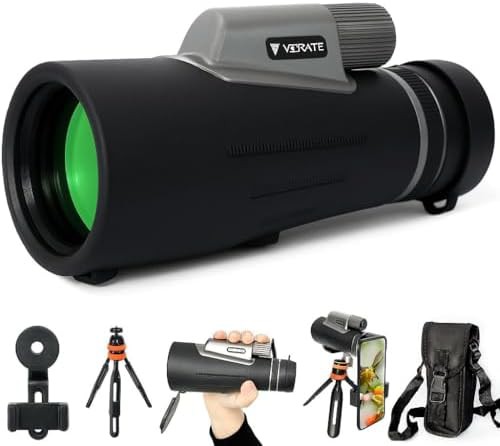
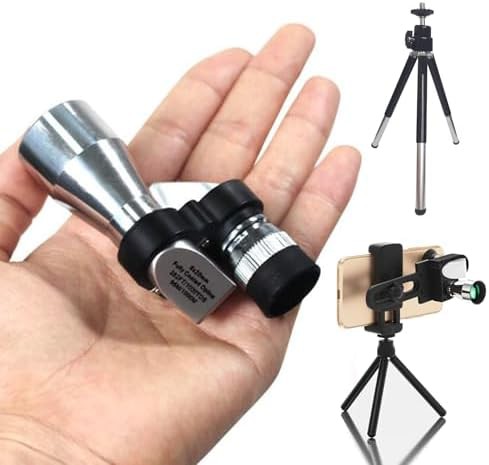
Most monoculars in this slice are handheld, and the 8 x 20mm and 10x36 sizes are light enough to brace against a fence or tree. A small refractor kit with a backpack may include a mount, but the monoculars are designed for quick, freehand looks.
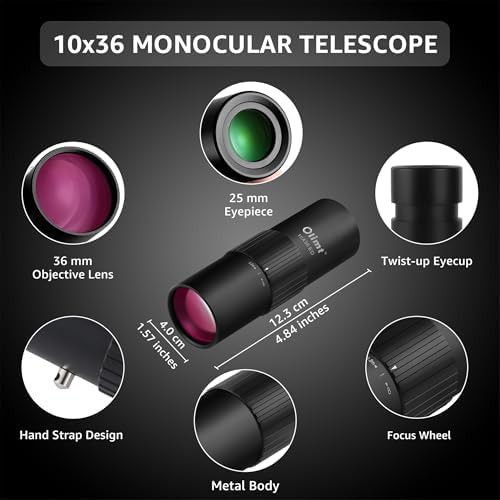
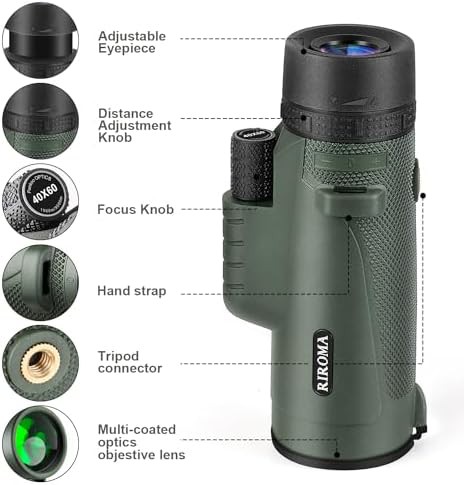
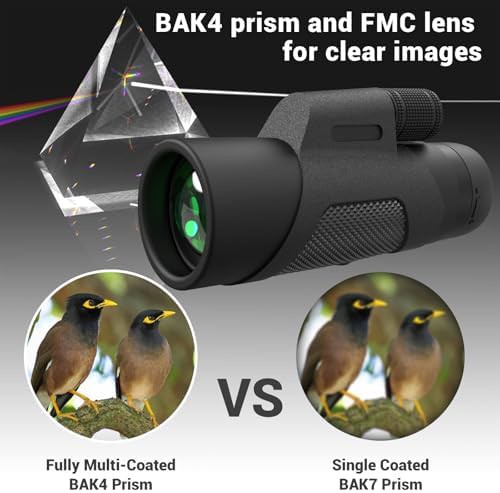
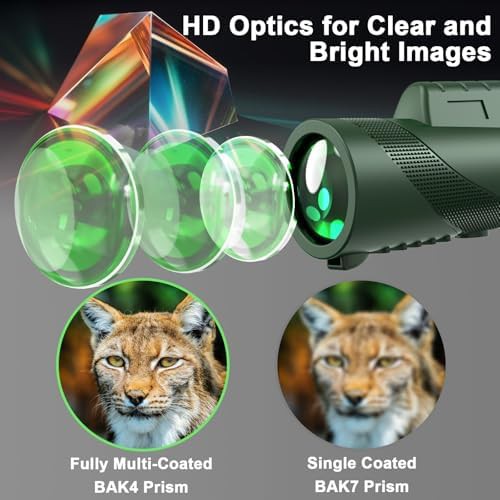
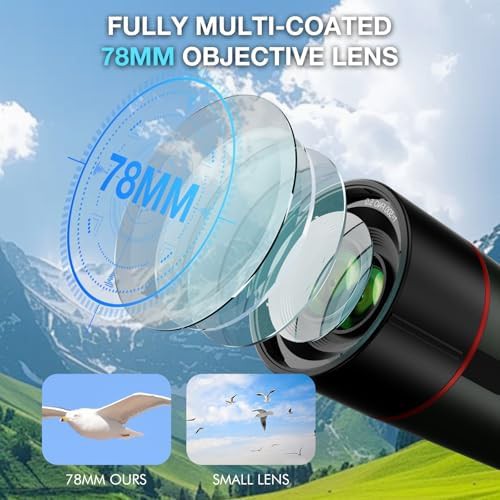
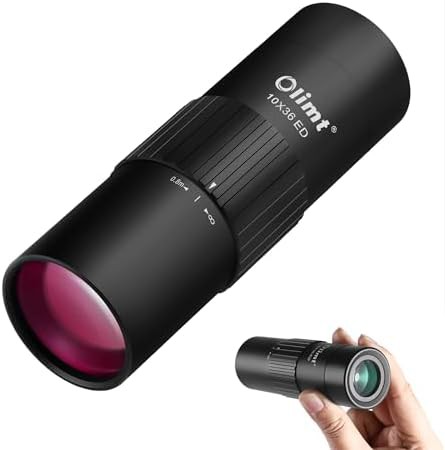
ED lens elements reduce color fringing at the edges of a bird against a bright sky. A fully multi-coated 10x36 monocular with ED glass and a BAK-4 prism is the combination that shows up for this use.
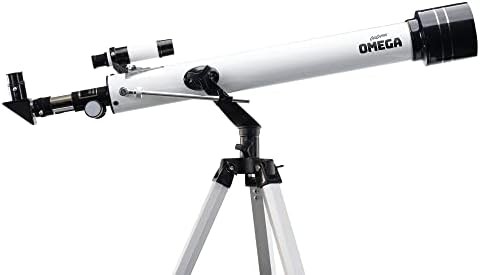
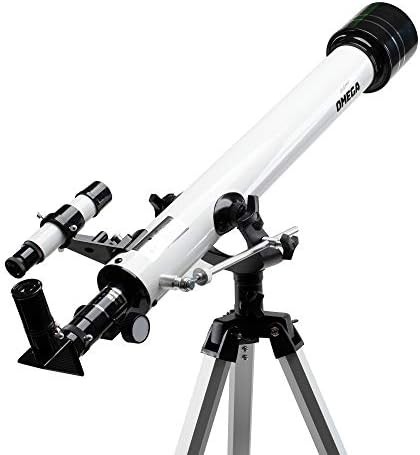
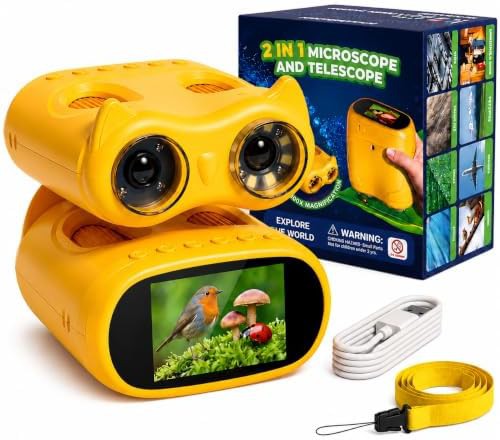
A 60mm beginner refractor can show a perched bird, but the image is often inverted unless a correct-image diagonal is used. The 2-in-1 microscope-telescope hybrids are built for close-focus play rather than serious wildlife observation.
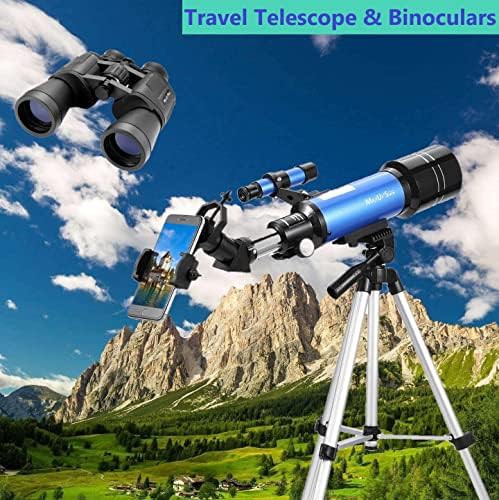
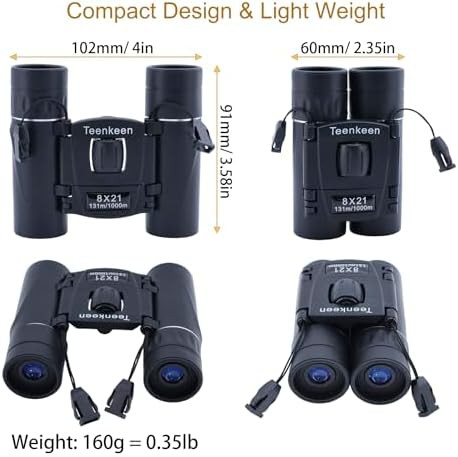
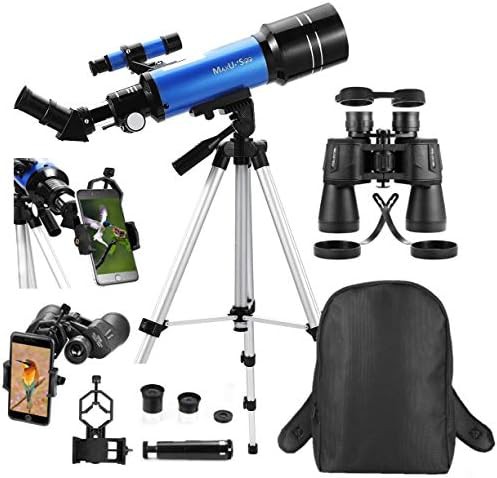
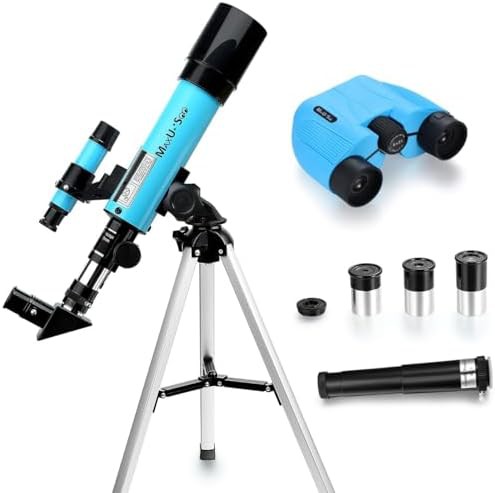
A monocular is smaller and easier to pocket, which matters on a hike. Binoculars give a more comfortable two-eye view, and the 10X50 pair included with some travel refractor kits is the binocular option in this slice.
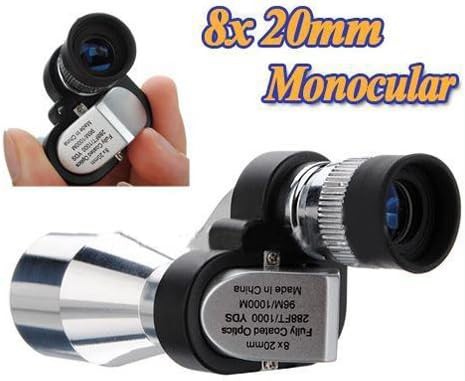
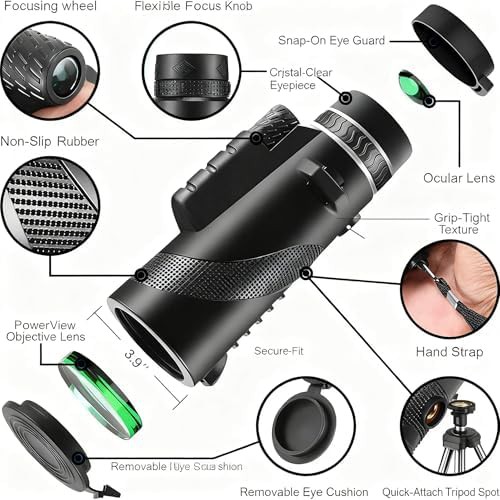
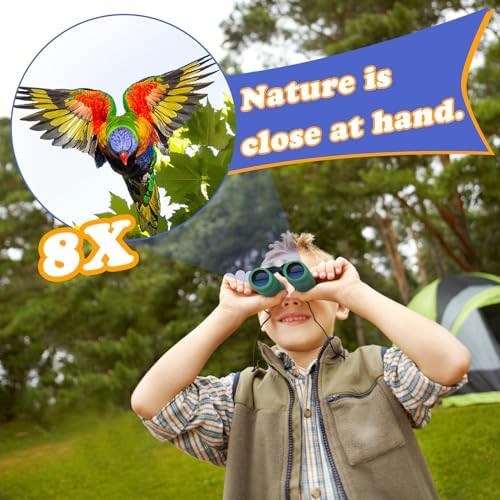
Bird watching puts a premium on an upright, correctly oriented image, which is why the optics in this slice lean toward monoculars and binoculars rather than astronomical reflectors. A compact 10x36 monocular with ED lens and BAK-4 prism glass, fully multi-coated and waterproof, is built for the trail rather than the backyard. The 8 x 20mm pocket monocular takes that portability further, with adjustable focus for close work at feeders or along a fence line.
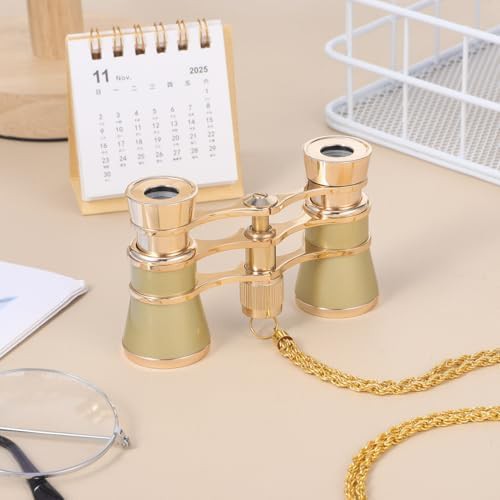
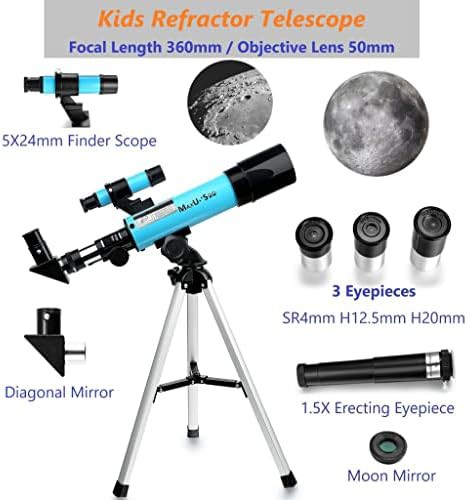
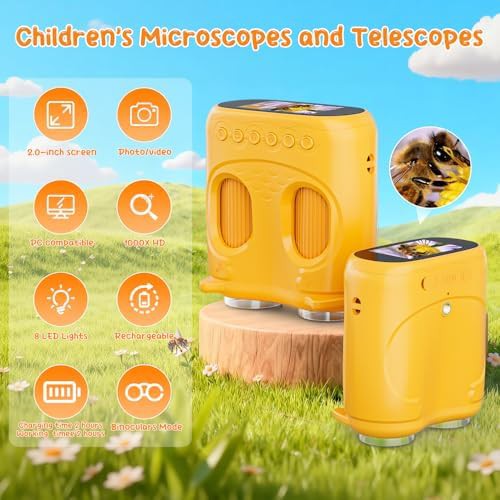
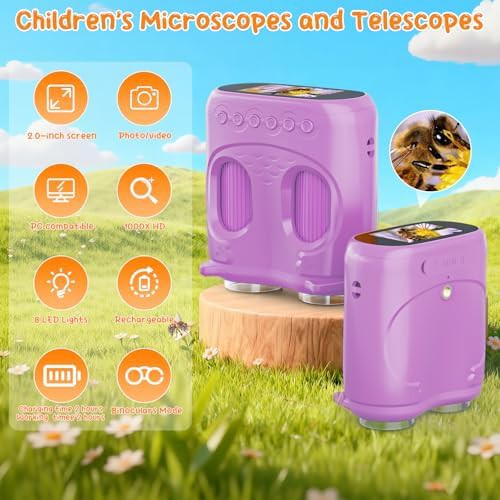
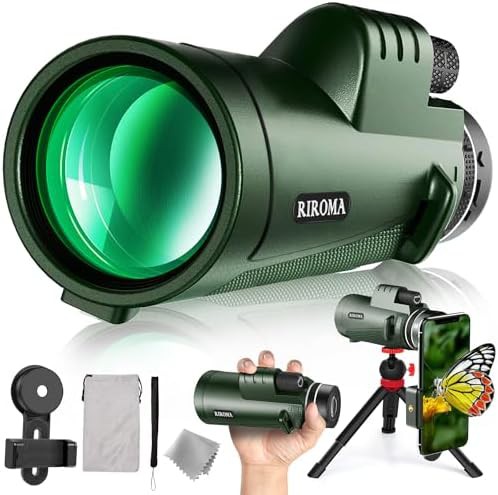
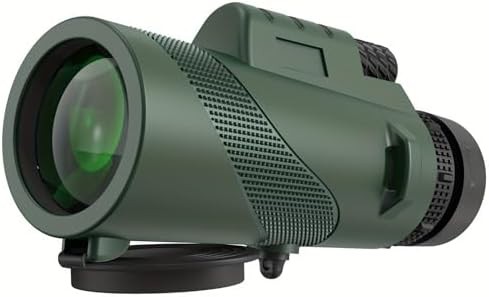
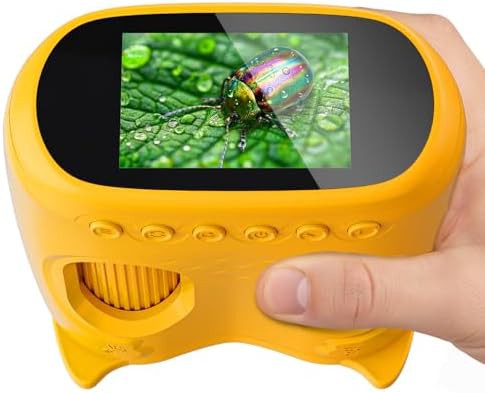
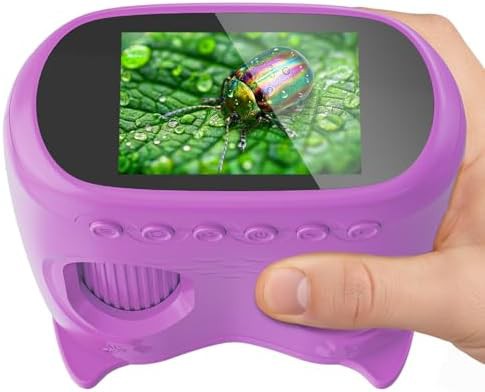
The selection includes handheld monoculars in green, black, and navy, some with leather texturing for grip. Small refractors paired with 10X50 binoculars appear as travel kits, often with a backpack, and a 70mm refractor with a finder scope and multiple eyepieces can double for moon viewing and sightseeing. There are also beginner refractors in the 60mm class and 2-in-1 microscope-telescope hybrids aimed at children, in yellow and purple.
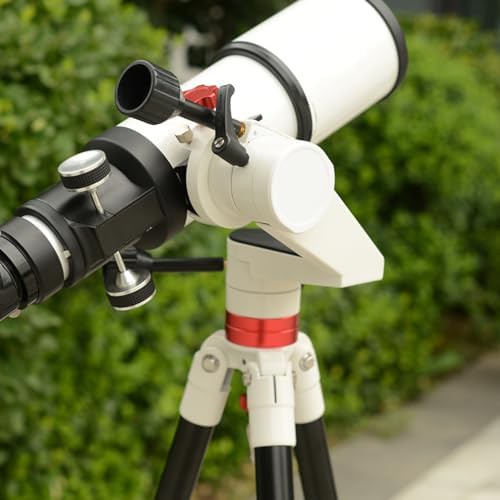
If the goal is deep sky observation or high-magnification lunar detail, a bird watching monocular will not deliver the aperture or the stable mount those tasks require. Smart digital telescopes and larger 150mm reflectors belong to a different kind of viewing entirely. For pure wildlife observation, a waterproof fogproof monocular with ED glass and a pocketable 8 x 20mm are the forms that actually get carried and used.