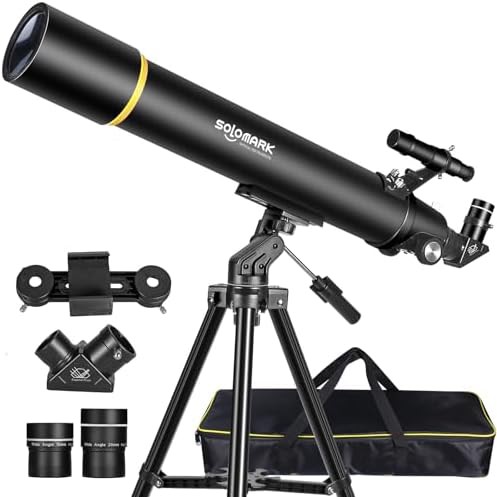
 9.0
SOLOMARK
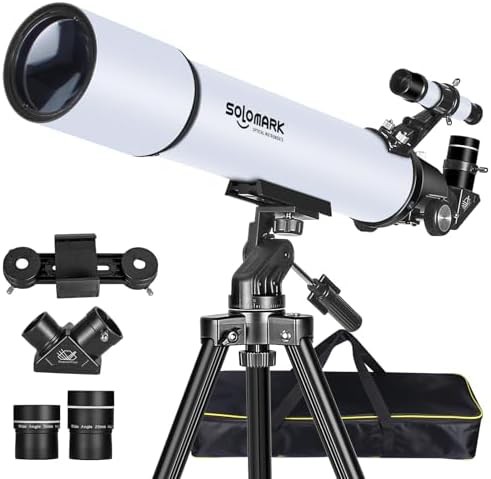
Long focal length 80mm refractor with AZ mount
$69.99
For adults For beginners Altazimuth mounts 80mm aperture 900mm focal length
High-performance gear for advanced observers and astrophotographers 30 telescopes · 20 brands
9.0
For adults For beginners Altazimuth mounts 80mm aperture 900mm focal length
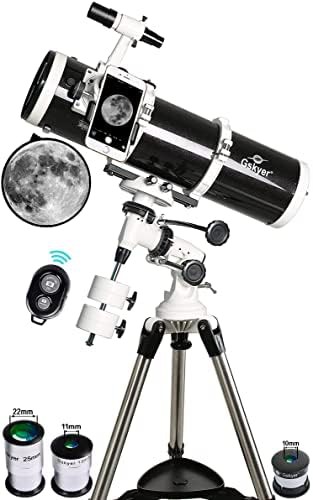 8.9
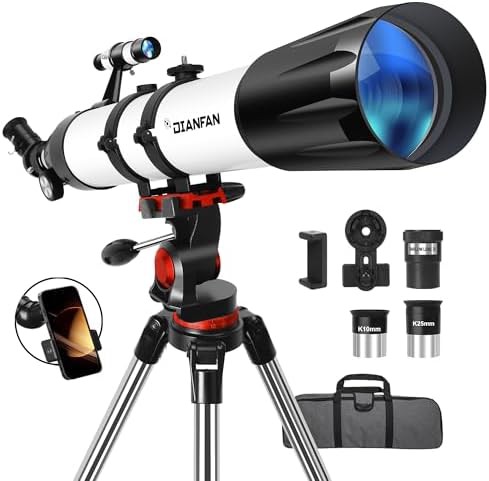 8.9
For adults For beginners Refractor Portable Tripod included With phone adapter
 8.8
For adults For beginners Refractor Portable With phone adapter 80mm aperture
 8.8
For adults For beginners 70mm aperture 400mm focal length Budget
 8.8
 8.6
Refractor For deep sky For astrophotography
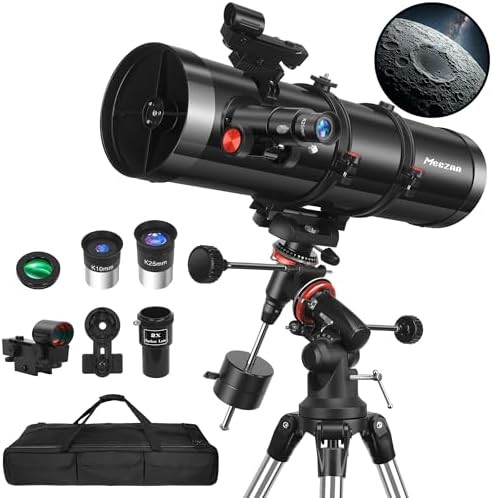 8.6
For adults For beginners For moon viewing Tripod included With phone adapter Reflector
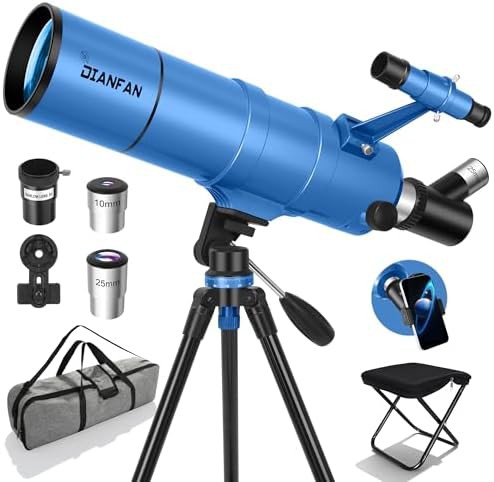 8.6
For adults For beginners For kids Portable Tripod included For travel
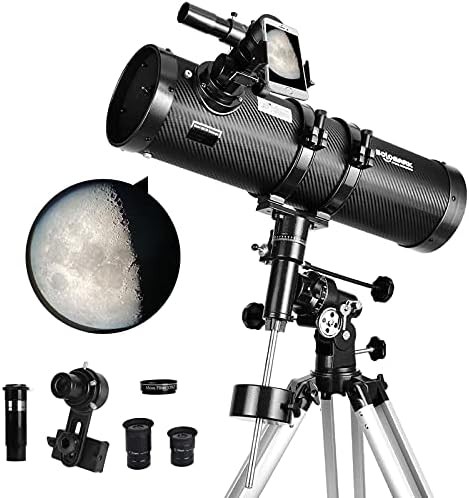 8.5
For adults For moon viewing Reflector Equatorial mounts For deep sky
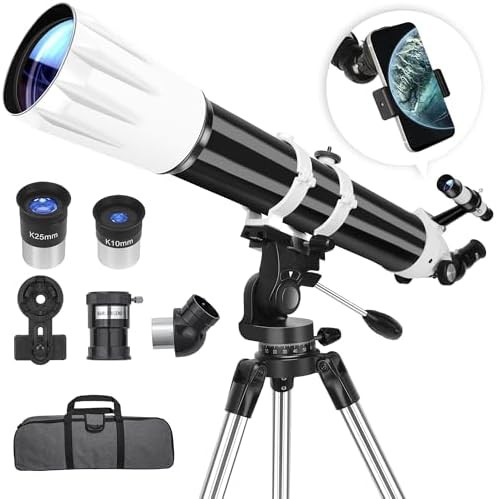 8.5
For adults For beginners Refractor For moon viewing With phone adapter Altazimuth mounts
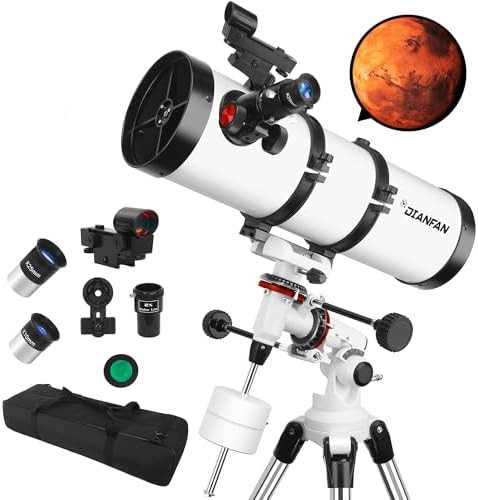 8.5
For adults For beginners Equatorial mounts
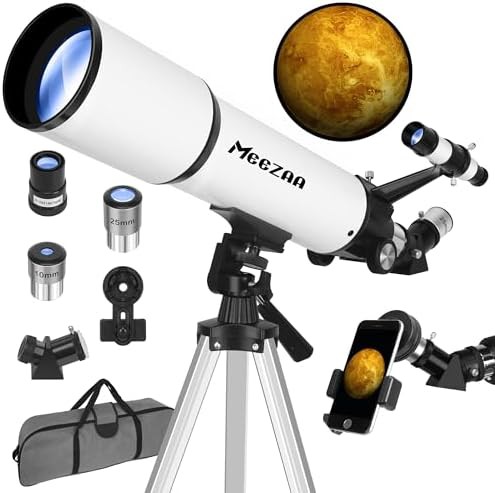 8.4
For adults For beginners Refractor 80mm aperture 600mm focal length
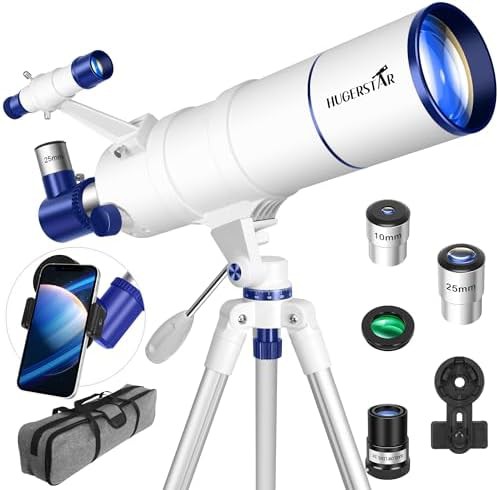 8.3
For adults For beginners Refractor For kids Portable Tripod included
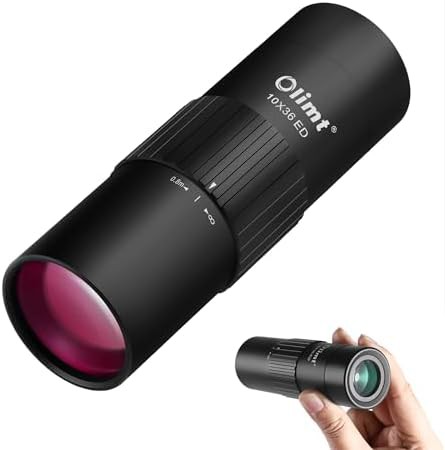 8.1
For adults Portable For travel For bird watching Monocular
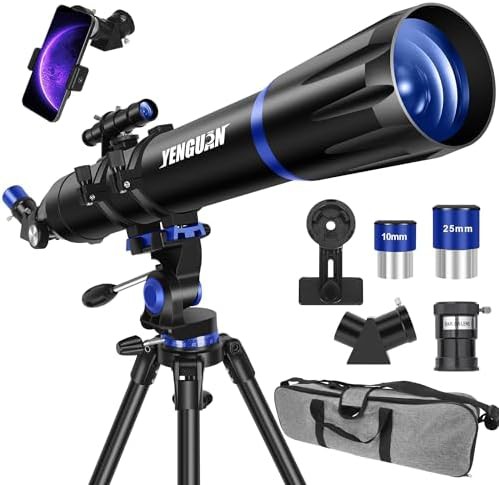 7.5
For adults Refractor For kids For moon viewing Portable Tripod included
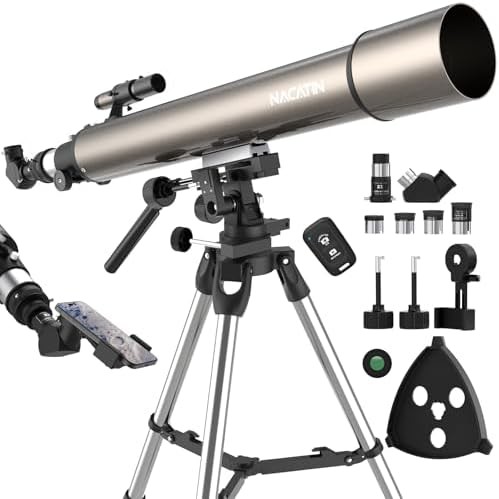 7.3
For adults For moon viewing For deep sky 900mm focal length
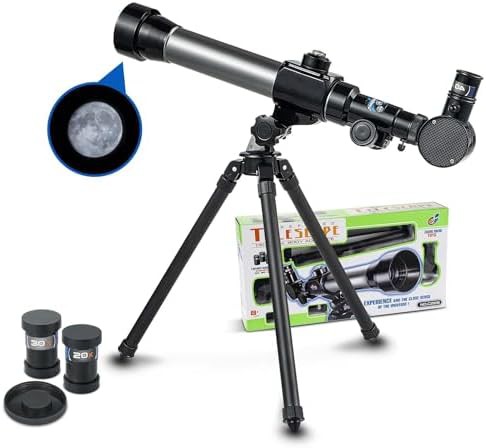 6.7
For beginners For kids For moon viewing Portable Tripod included Budget
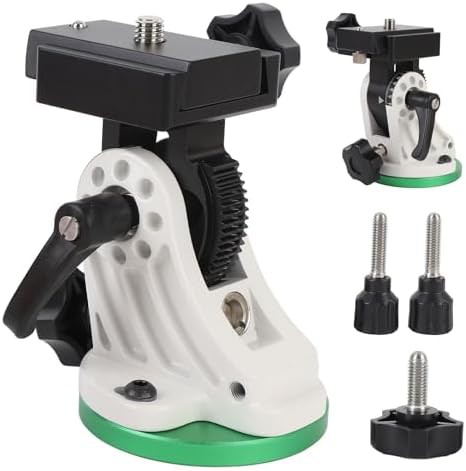 5.9
Portable Tripod included Equatorial mounts
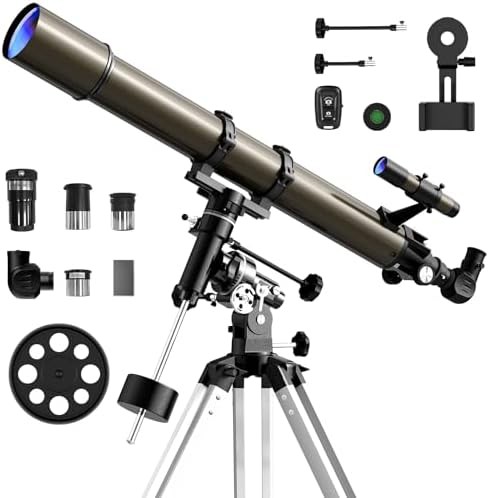
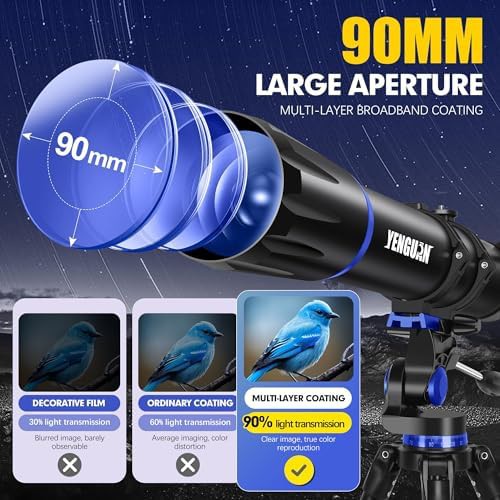
For adults For moon viewing 90mm aperture
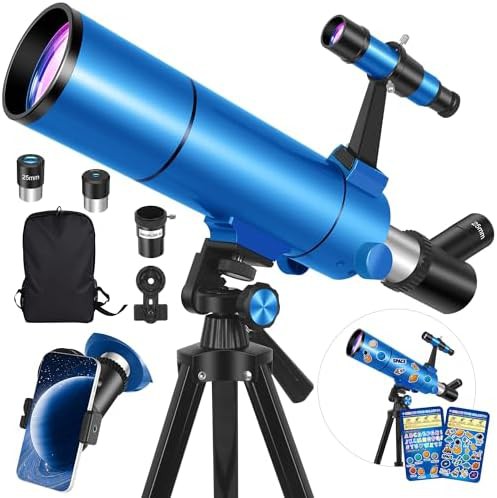
For adults For beginners For kids For moon viewing Portable Tripod included
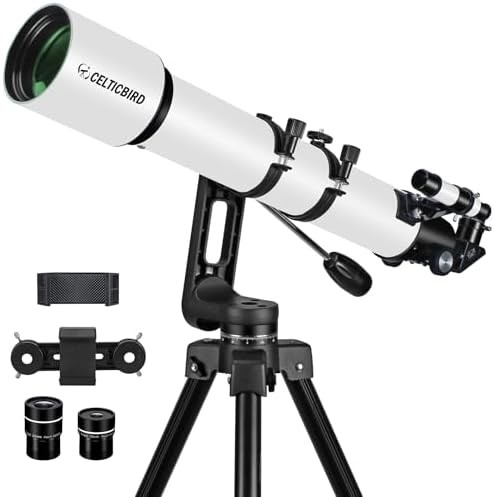
For adults For beginners Refractor For moon viewing Tripod included With phone adapter
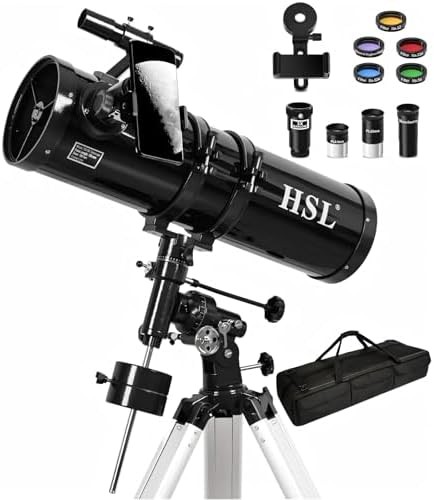
For adults For beginners Tripod included With phone adapter Reflector Equatorial mounts
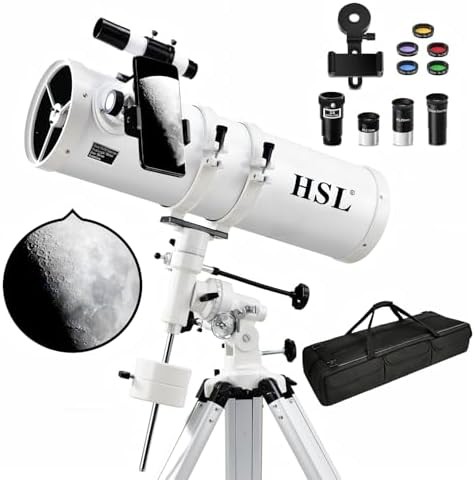
For adults For beginners For moon viewing With phone adapter Reflector Equatorial mounts
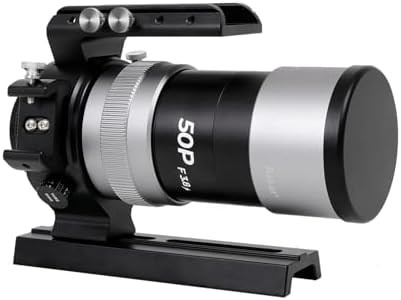
Refractor Portable For deep sky For astrophotography 50mm aperture
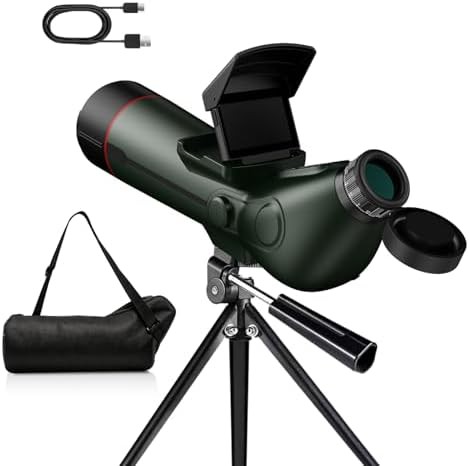
For adults Tripod included For astrophotography Smart Digital
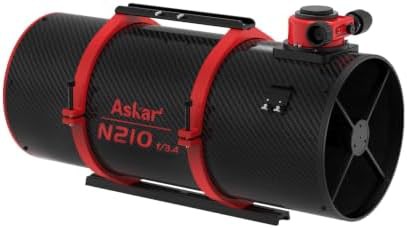
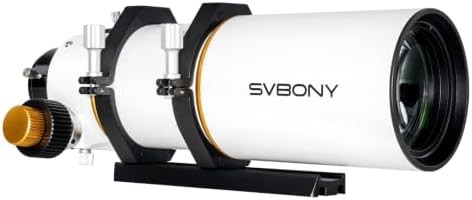
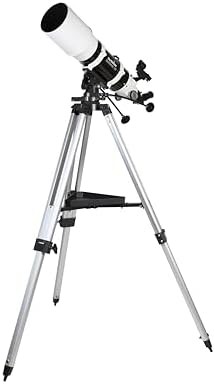 7.5
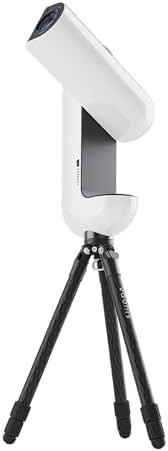
Tripod included For deep sky For astrophotography Smart
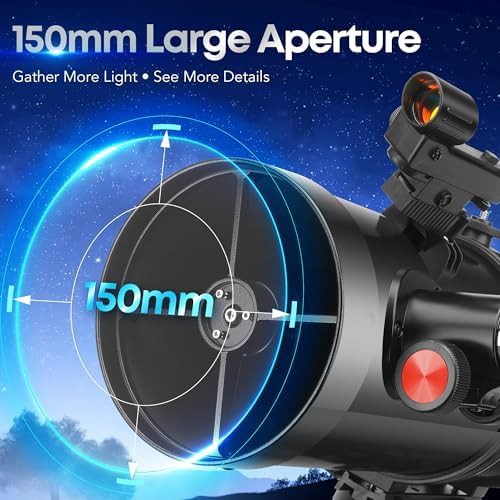
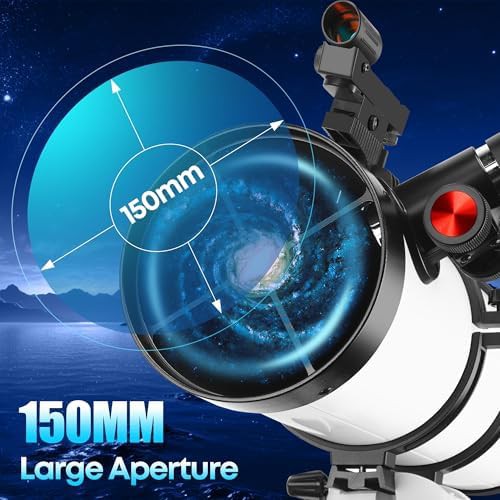
Apertures run from 50mm to 150mm across the samples. Refractors tend to sit between 60mm and 90mm, while Newtonian reflectors reach 130mm and 150mm. Larger apertures gather more light but usually mean a heavier tube and mount.
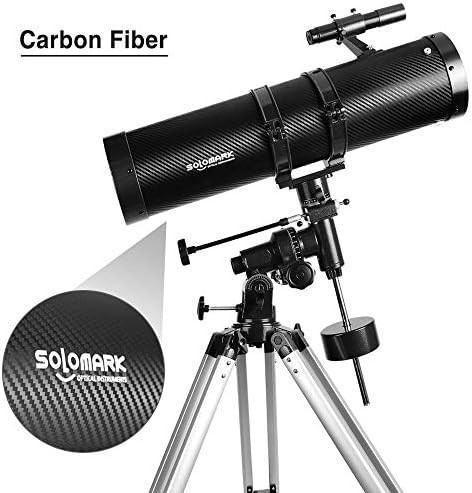
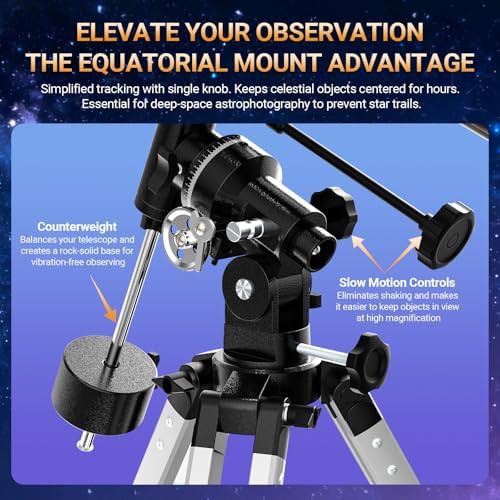
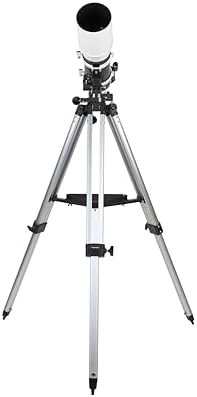
Yes, the refractors ship with AZ mounts and stainless steel tripods, and the reflectors include equatorial mounts with tripods. The 150EQ reflector also lists a large carry bag. Mount type affects how you track objects: AZ mounts move up-down and left-right, equatorial mounts follow the sky's rotation.
Phone adapters are included with most of the refractors and the 130EQ and 150EQ reflectors. They let you hold a phone over the eyepiece for basic imaging. The 60mm, 50mm, and 71mm flat-field refractors use Vixen dovetail plates for mounting on a separate equatorial or alt-az mount.
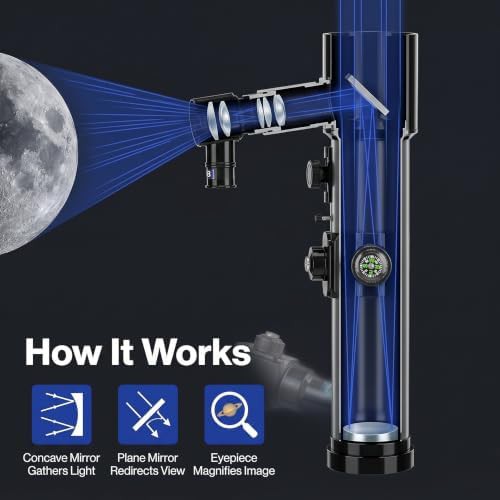
Refractors use lenses and tend to be sealed tubes that hold alignment well, with apertures from 60mm to 90mm in these samples. Reflectors use mirrors, reach 130mm and 150mm, and need occasional collimation. Refractors on AZ mounts are quicker to set up; reflectors on equatorial mounts track objects more precisely for longer sessions.
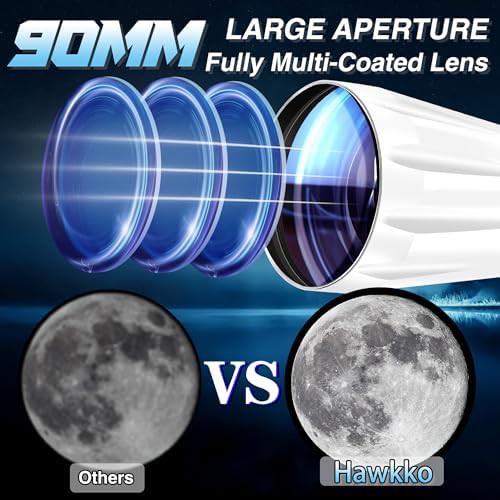
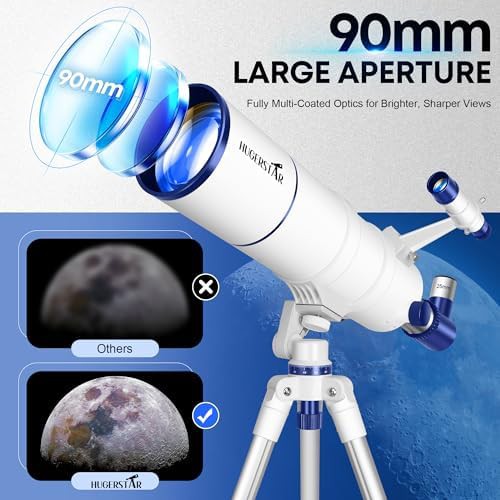
The refractors here cluster around 80mm to 90mm apertures with focal lengths of 800mm to 900mm, a combination that keeps the tube manageable while still pulling in detail on planets and brighter deep-sky objects. Newtonian reflectors in the mix step up to 130mm and 150mm apertures, trading some portability for more light grasp. The AZ mounts on the refractors favor quick setup over tracking precision, while the equatorial mounts on the reflectors are built for following objects as the sky moves.
Adults who observe regularly will notice the difference in eyepiece height and balance between these two forms. A 90mm refractor on an AZ tripod sits at a comfortable standing or seated height for most people, while a 150mm Newtonian on an equatorial mount puts the eyepiece in positions that shift as the tube rotates. The stainless steel tripods on the refractors provide a steadier base than aluminum, which matters when you are trying to hold a planet in view at higher magnifications.
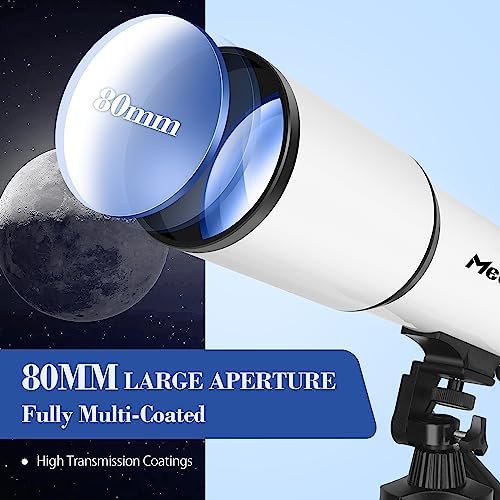
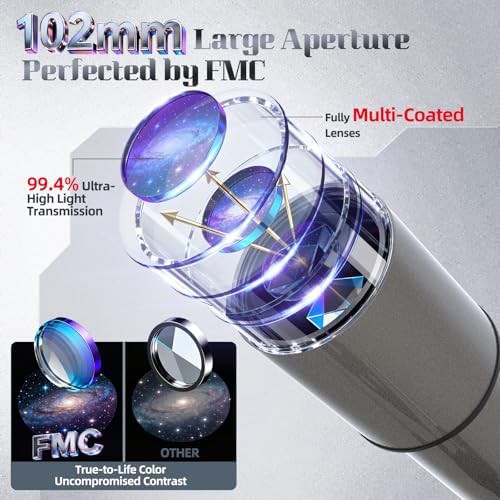
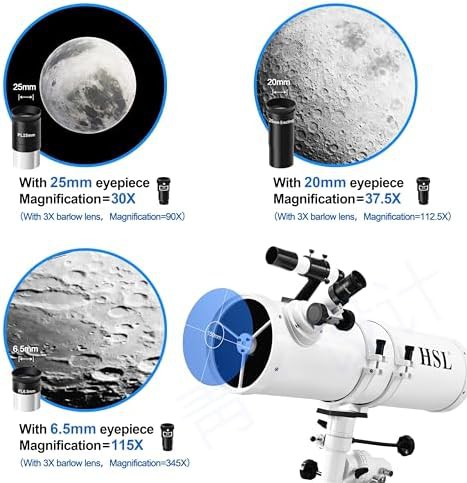
Multi-coated optics appear across the refractor samples, and the reflectors ship with a 1.5X Barlow lens and a moon filter. Phone adapters are standard on nearly every item, letting you capture what you see without a separate camera setup. Carry bags come with several of the refractors, which helps if you move between observing sites.
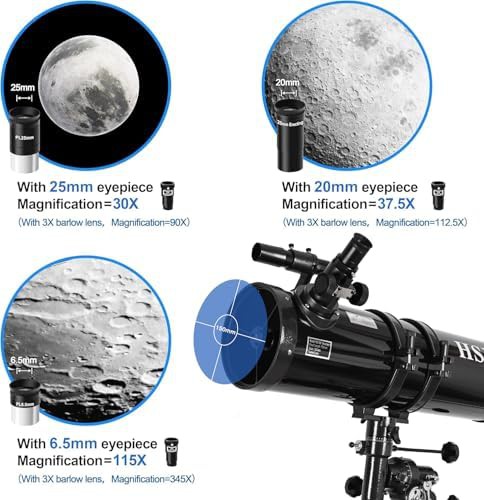
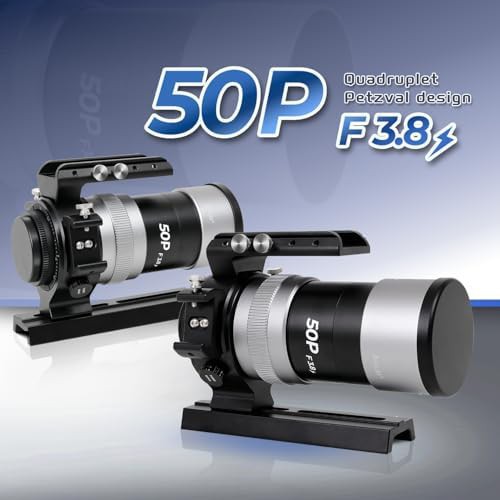
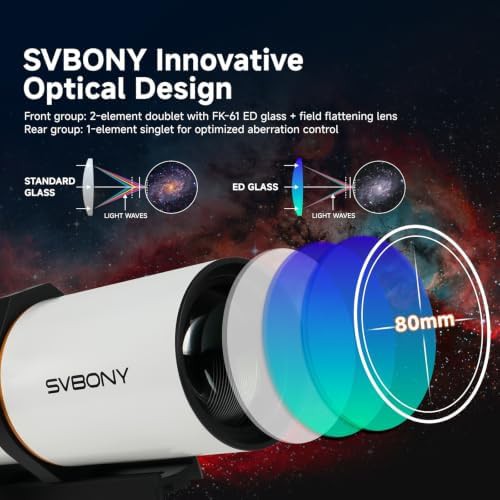
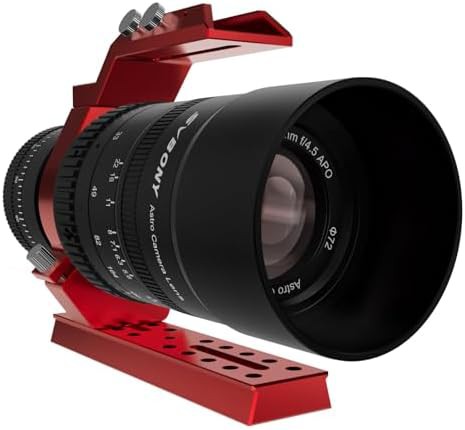
The 130EQ Newtonian includes a 13% transmission moon filter, useful for cutting glare when lunar viewing would otherwise wash out detail. A 150EQ reflector lists an equatorial mount, tripod, phone adapter, moon filter, and a large carry bag as a complete kit. The 60mm and 71mm flat-field refractors with ED glass and quadruplet air-spaced APO designs are built for deep-sky astrophotography and visual astronomy, with Vixen dovetail plates for mounting.