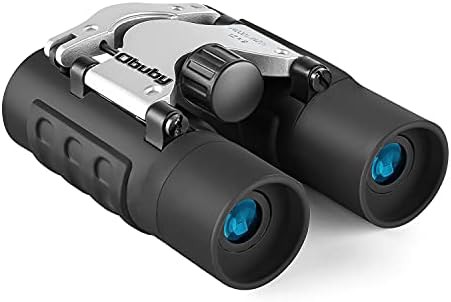
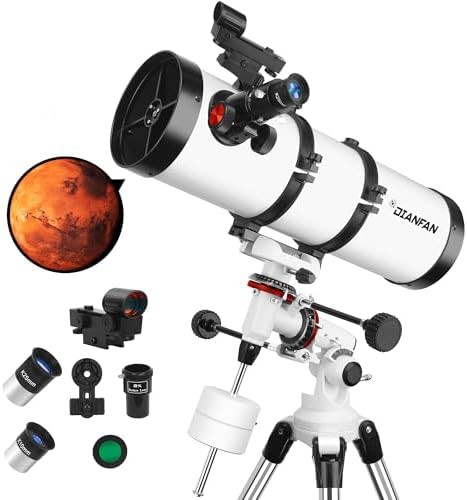
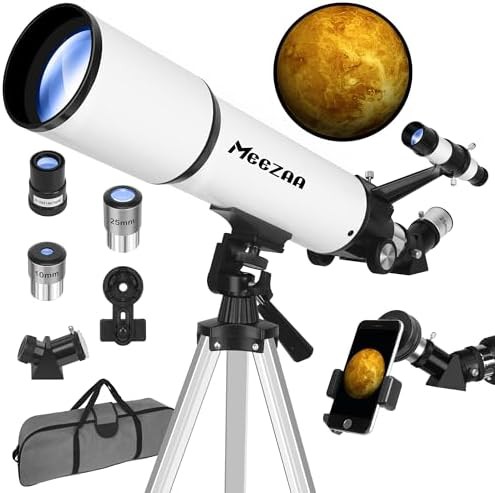
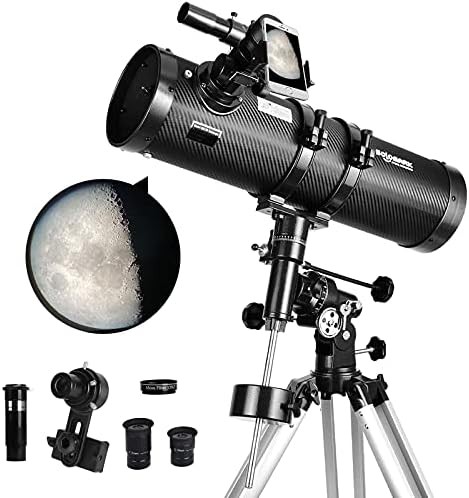
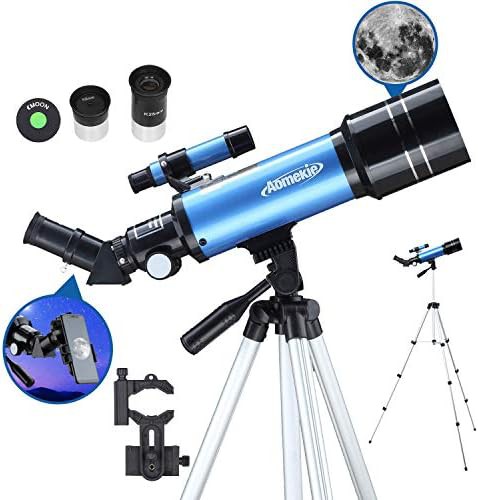
Identify your primary target
Decide if you want to focus on bright objects like the moon and planets or if you need the light-gathering power required for distant galaxies.
Whether you are looking for your first view of the moon's craters or setting up a rig for deep-sky photography, this set of 286 live products covers the current landscape of consumer optics. We track to help you find the right aperture and mount for your backyard.
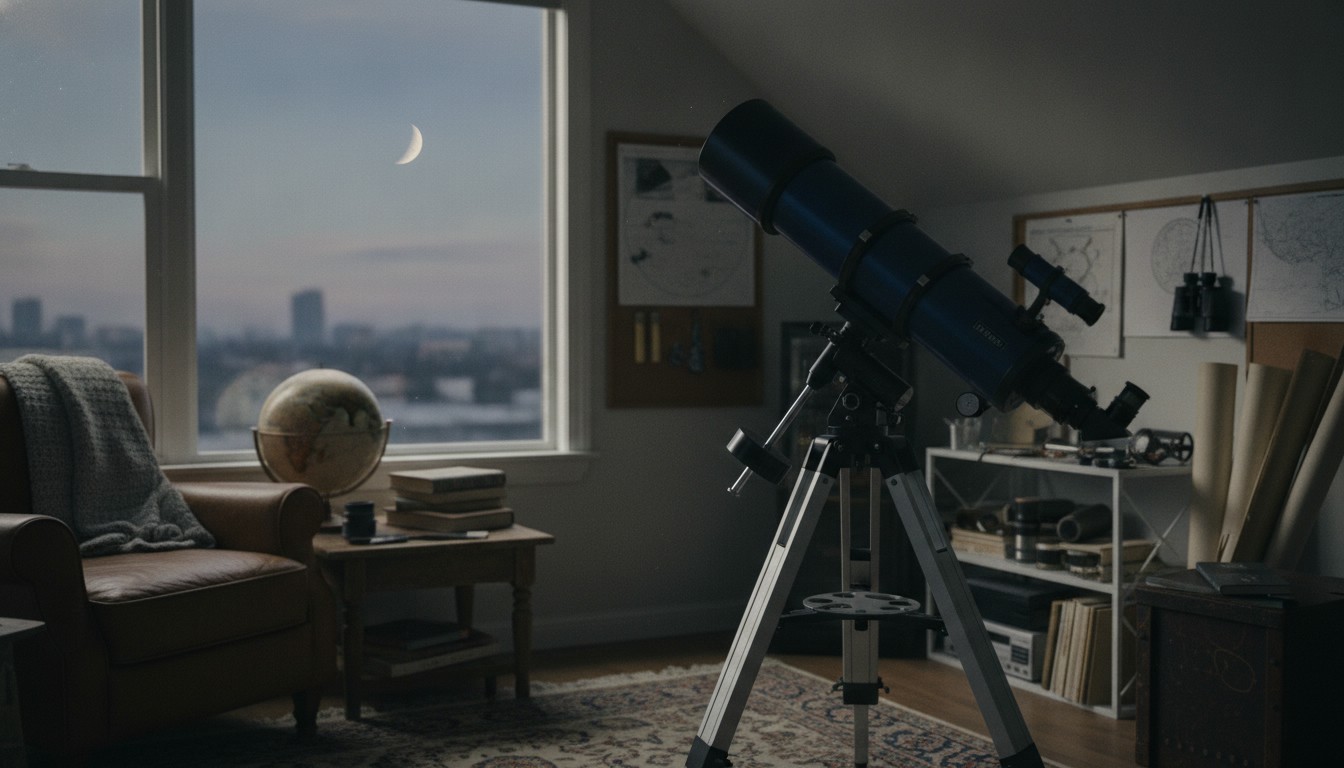
We sort through hundreds of optical instruments to group them by their actual use and hardware specs. This catalog focuses on clarity and utility rather than marketing claims.
These selections represent common starting points for hobbyists, ranging from high-powered professional refractors to simple STEM learning tools for kids.
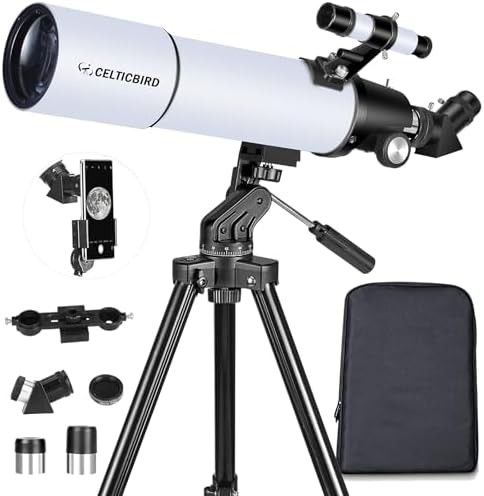
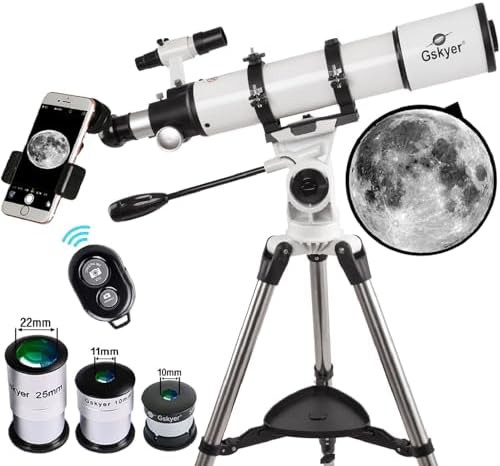
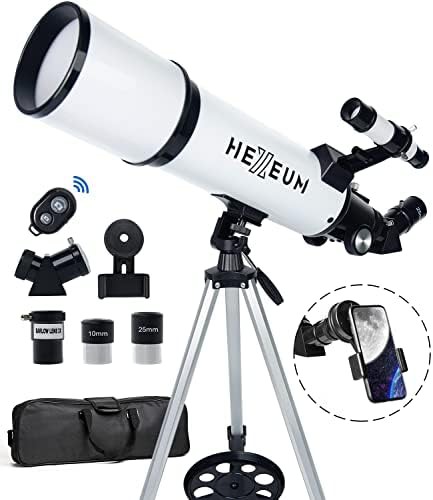
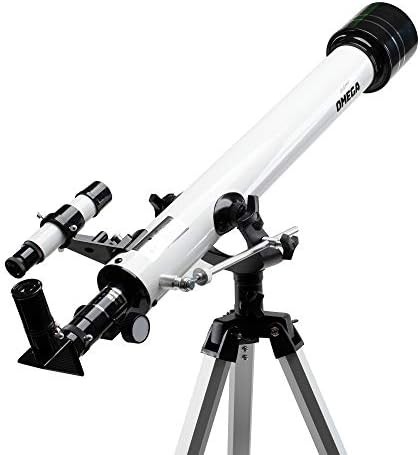
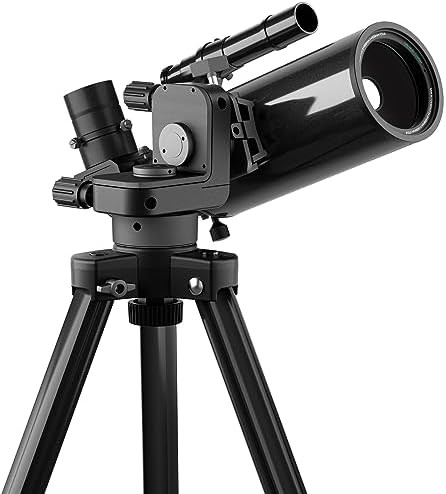
High-powered refractor telescopes designed for adults and beginners who want stable, high-precision views of the moon and landscape
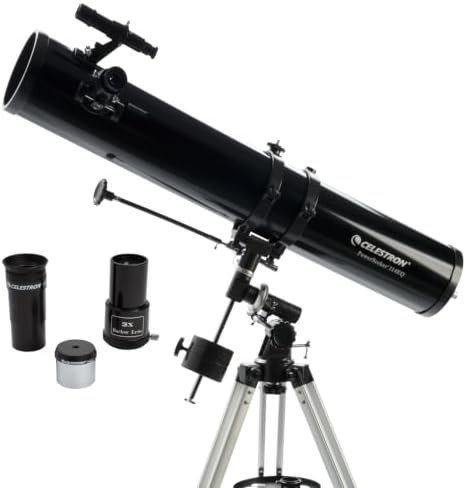
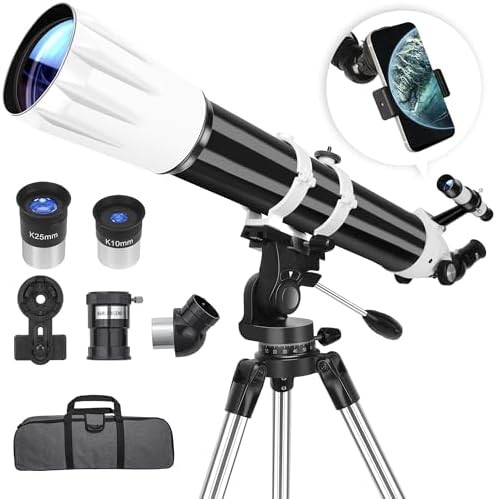
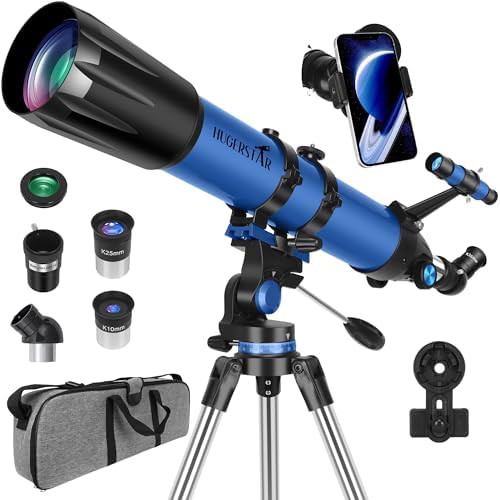
These telescopes help families and beginners explore the night sky with clear glass optics and stable mounts
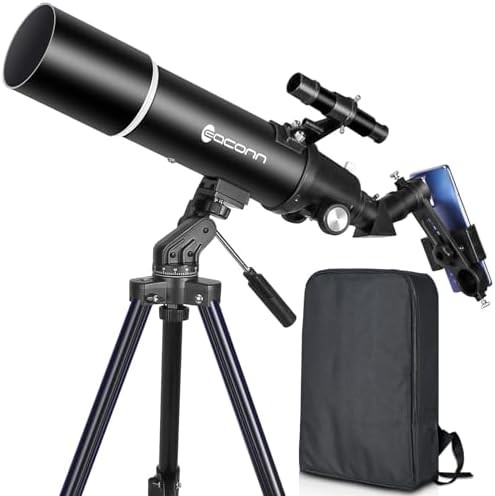
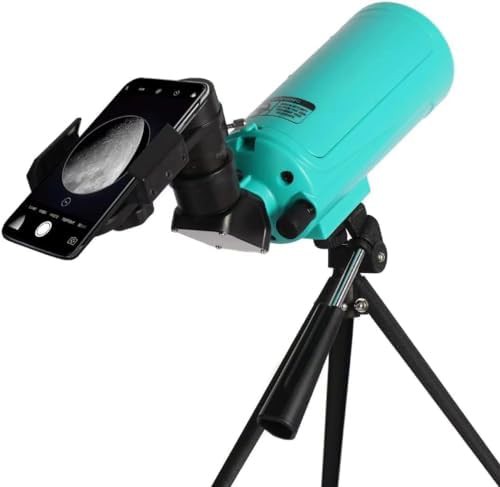
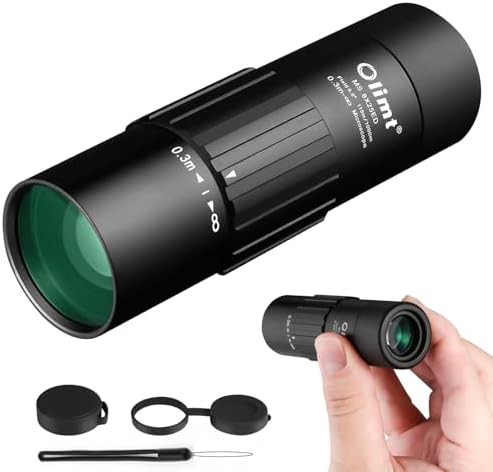
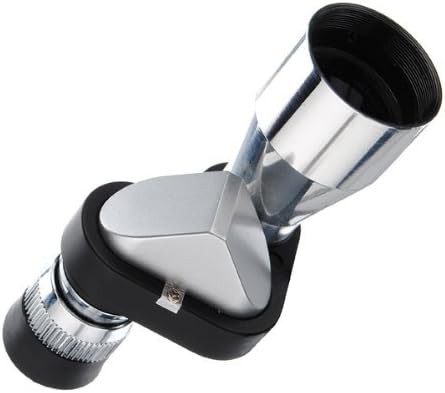
Compact refractor telescopes built for kids and adults to observe the moon and landscapes while traveling
Filter through 286 live products by aperture size, focal length, or intended audience to find the specific gear you need.
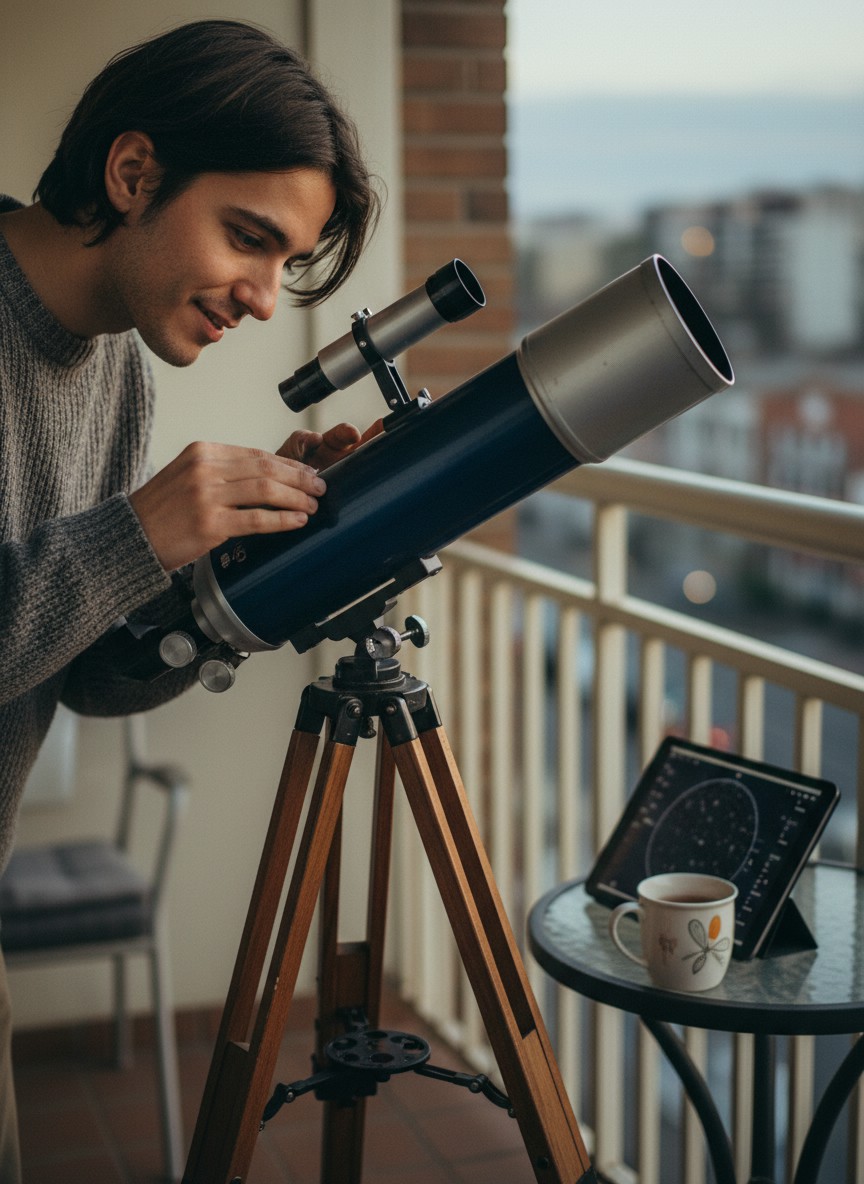
Decide if you want to focus on bright objects like the moon and planets or if you need the light-gathering power required for distant galaxies.
If you plan to observe from a backyard, a larger tripod-based system works well, while travel-friendly kits are better for hiking to dark-sky spots.
Choose an altazimuth mount for intuitive up-and-down movement or an equatorial mount if you plan to get into long-exposure astrophotography.
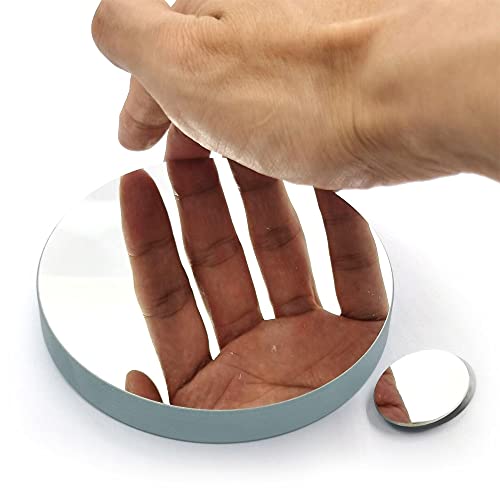
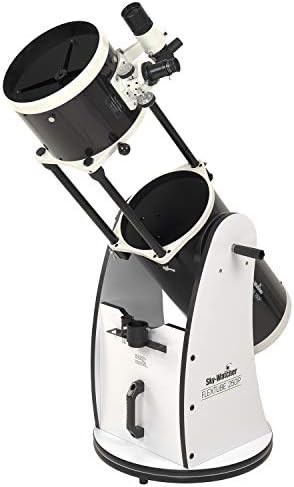
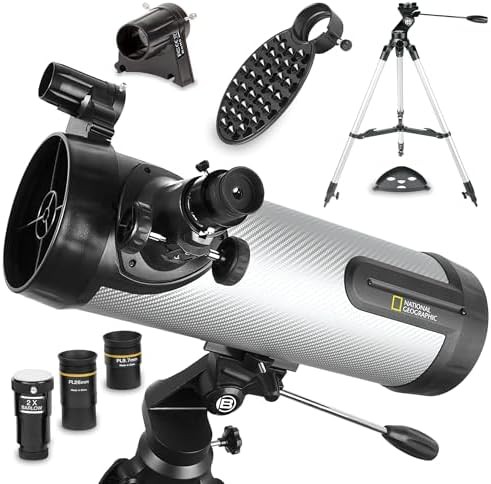
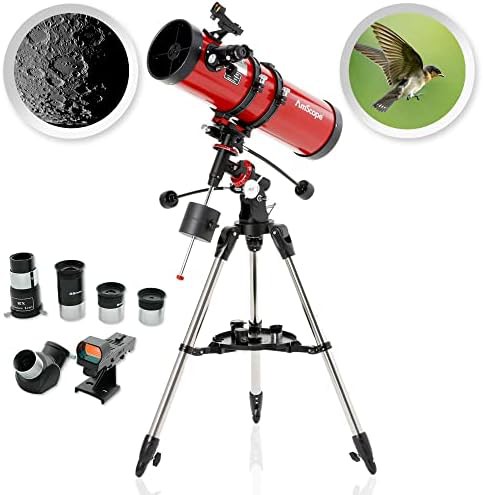
Refractors use glass lenses to bend light and are generally better for crisp views of the moon. Reflectors use mirrors to gather light, making them more effective for seeing faint deep-sky objects like nebulae.
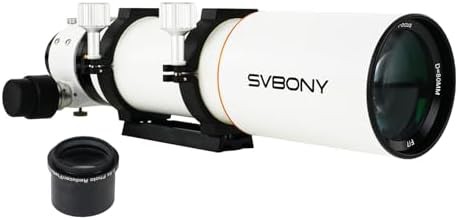
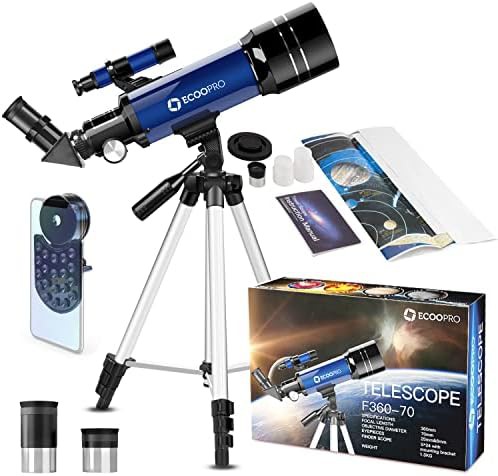
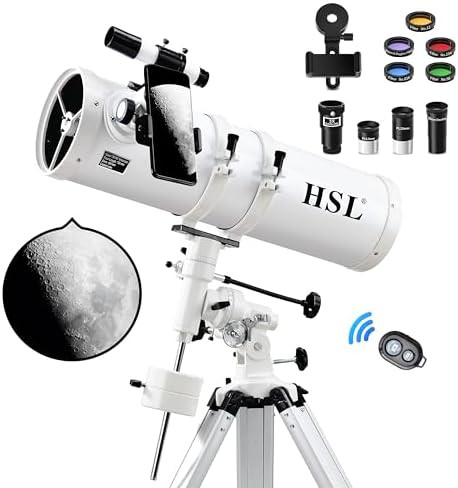
Many listings in this catalog are bundles that include a tripod, eyepieces, and sometimes a phone adapter. Check the specific details for each item to see if it is a full kit or an optical tube assembly only.
Several models include phone adapters for basic lunar photos, while others are built for astrophotography with specialized mounts. Smart telescopes in this set feature integrated cameras that automate the imaging process.
This catalog includes 115 listings specifically for kids and STEM learning. These models are typically more durable and easier to set up than professional-grade equipment.