 9.1
Telescopes / Reflector
This group
Reflector Telescopes
Checked 2026-10-24
Mirror-based designs that offer large apertures for deep-sky observation 33 telescopes · 14 brands
For adults
For beginners
For kids
Refractor
For moon viewing
Portable
Tripod included
For travel
Budget
With phone adapter
Altazimuth mounts
90mm aperture
80mm aperture
Equatorial mounts
Reflector
70mm aperture
Professional
For bird watching
For deep sky
For astrophotography
600mm focal length
Black
Smart
Digital
Dobsonian
800mm focal length
Monocular
400mm focal length
White
50mm aperture
STEM learning
Tabletop mounts
Maksutov-Cassegrain
130mm aperture
60mm aperture
900mm focal length
114mm aperture
300mm focal length
Blue
Waterproof
700mm focal length
Red
Green
Best Reflector Telescopes
9.1
 9.0

 9.0
 8.9
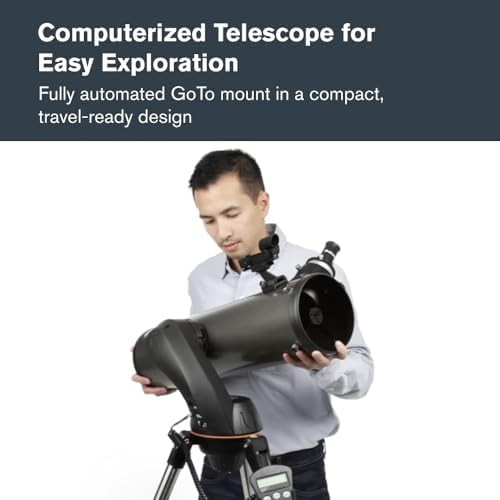
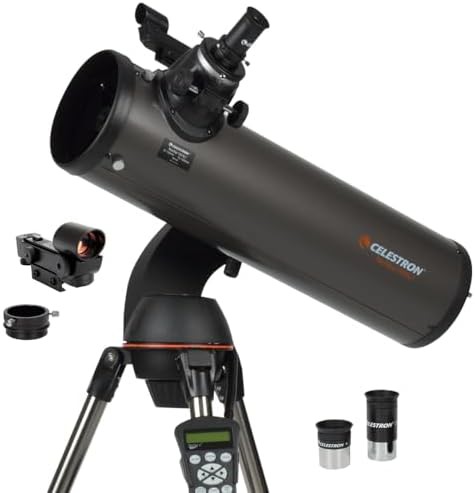
Celestron
One hundred thirty millimeter computerized reflector
$640
For adults For beginners For kids Portable 130mm aperture
 8.9
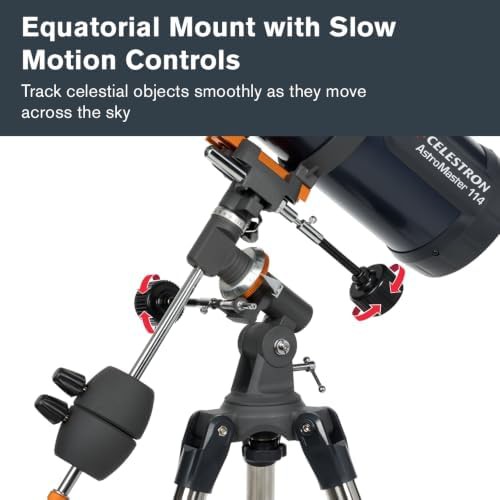
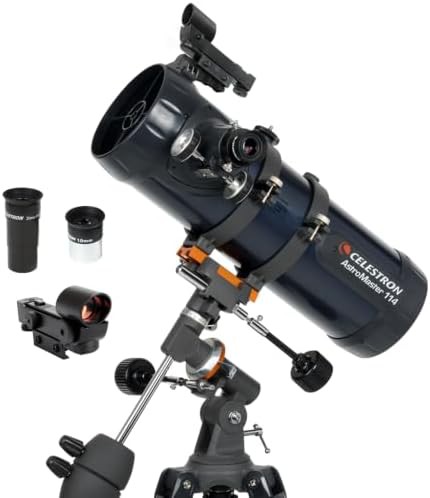
Celestron
Equatorial Reflector Telescope for Family Use
$290
For beginners Equatorial mounts 114mm aperture
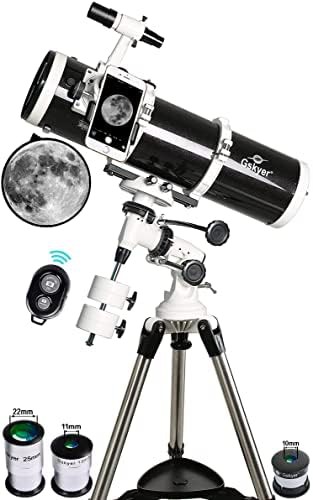 8.9
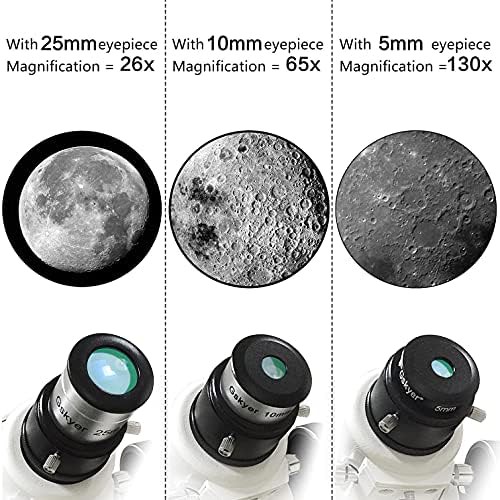
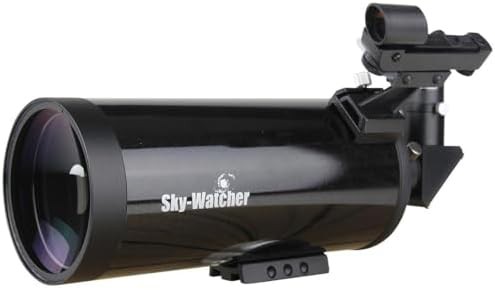 8.8
 8.7
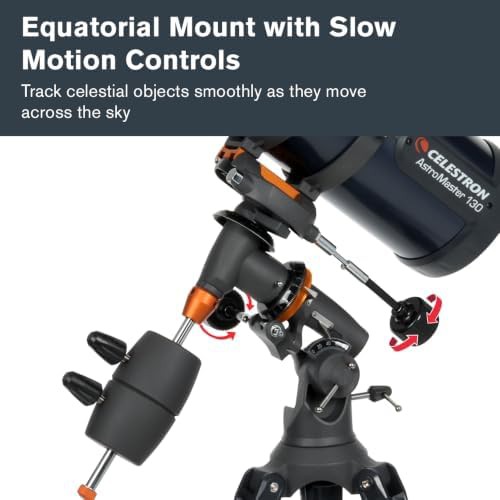
Celestron
Reflector telescope with equatorial mount for deep sky
$290
For beginners Equatorial mounts For deep sky 130mm aperture
 8.6
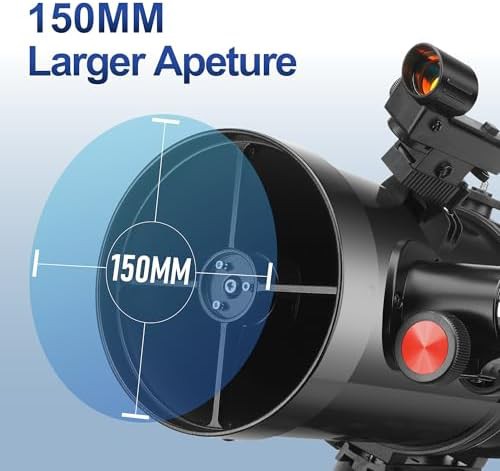
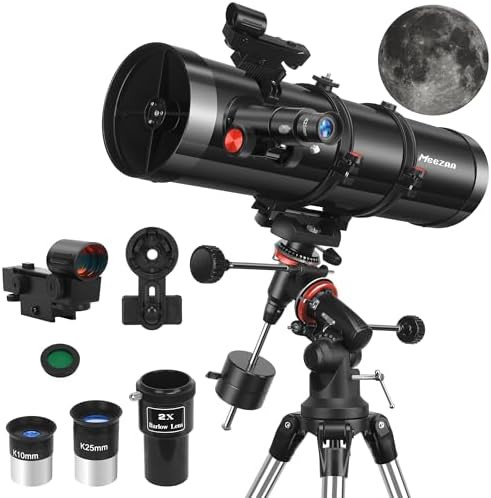
MEEZAA
Adult 150EQ reflector with equatorial system
$330
For adults For moon viewing Equatorial mounts For deep sky
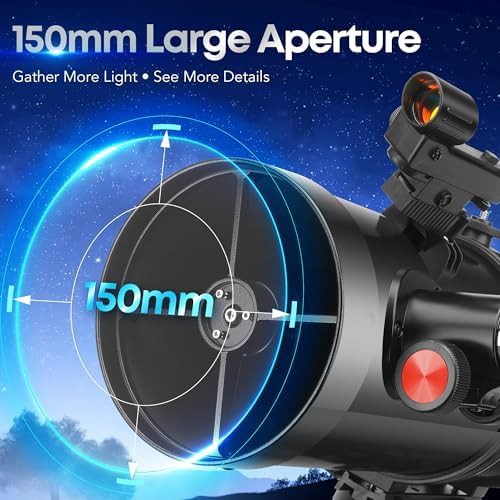
 8.6
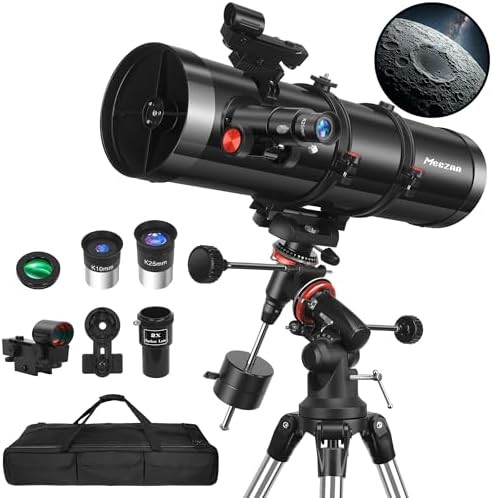
MEEZAA
Newtonian reflector with equatorial mount
$330
For adults For beginners For moon viewing Tripod included With phone adapter
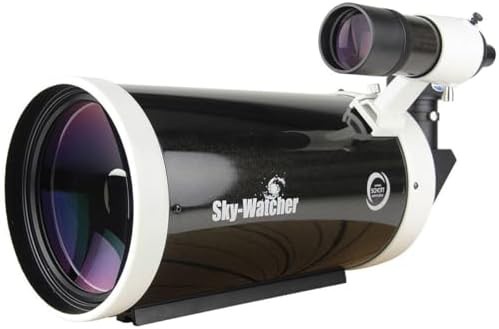 8.5
 8.5
SOLOMARK
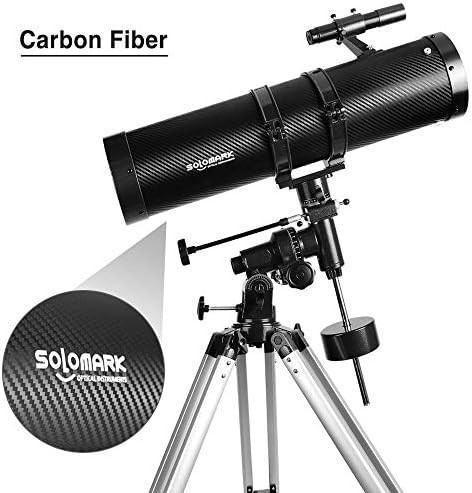
Newtonian reflector telescope with 130mm aperture and EQ mount
$270
For adults For moon viewing Equatorial mounts Professional For deep sky
 8.4
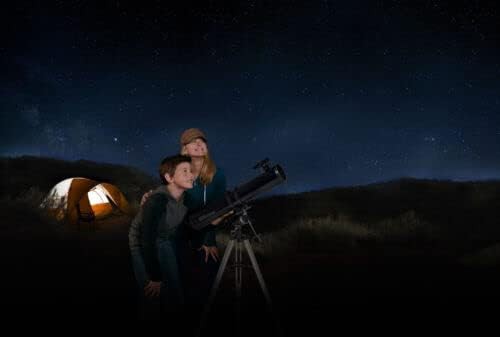
Celestron
Reflector Telescope with Manual Equatorial Mount
$180
For beginners For moon viewing Equatorial mounts 114mm aperture
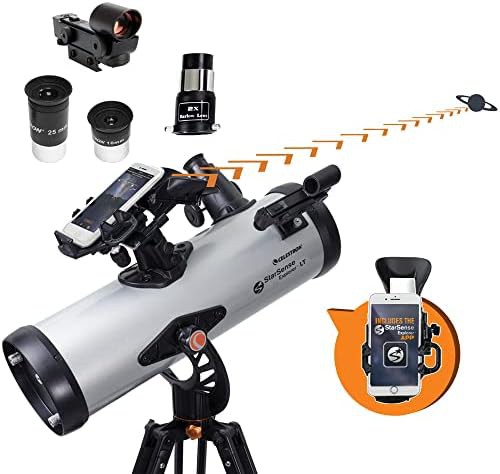 8.4
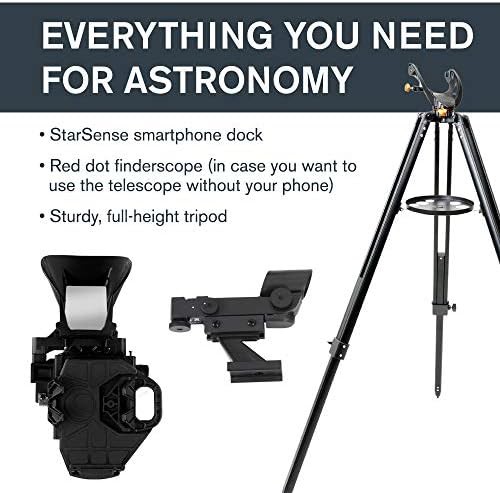
Celestron
Smartphone guided newtonian reflector telescope
$240
Altazimuth mounts Smart 114mm aperture
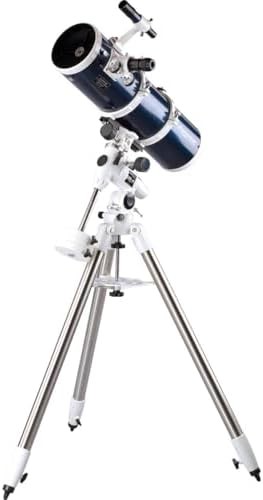 8.3

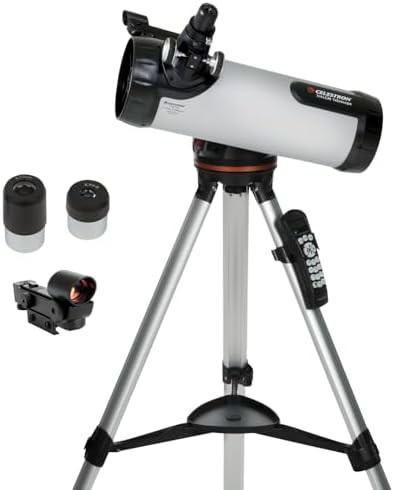 8.3
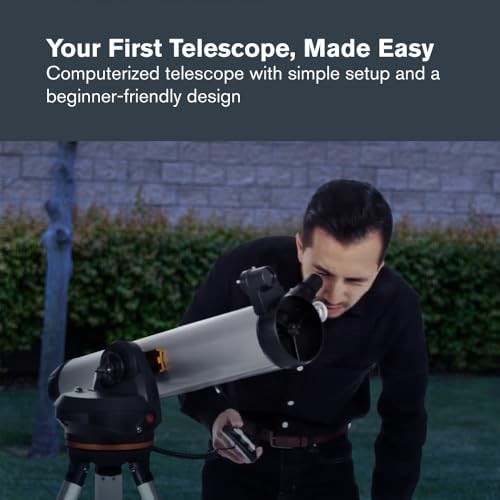
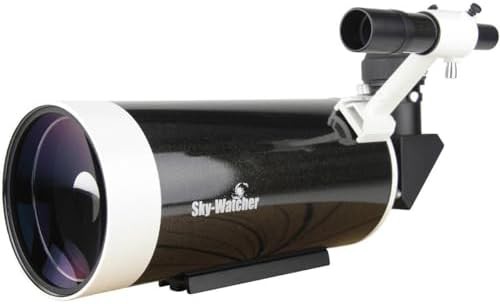 8.2
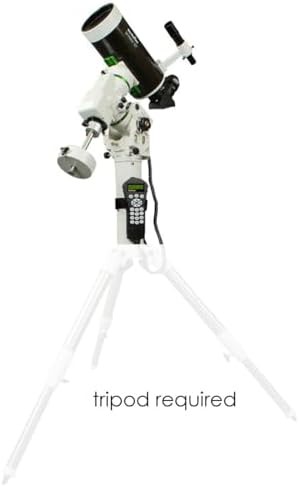
 8.1
Carson
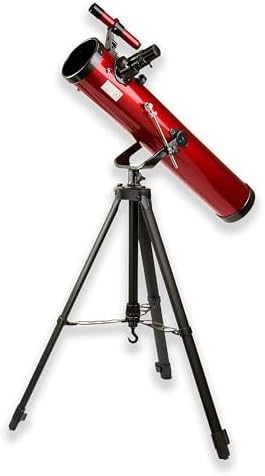
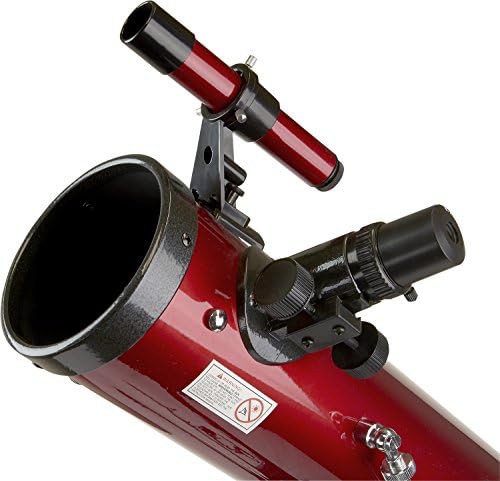
Red Planet Newtonian reflector with tripod
$168
Red For beginners For moon viewing Tripod included 700mm focal length
 8.0
Explore Scientific
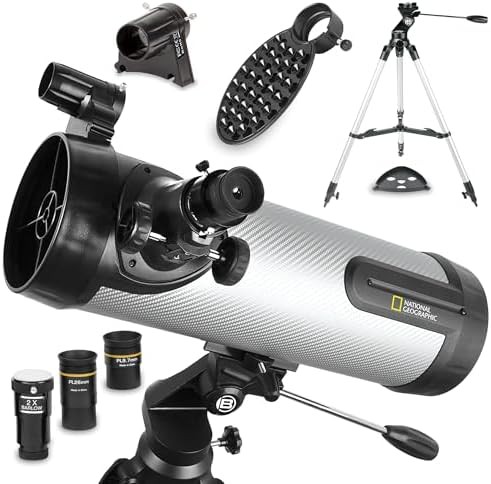
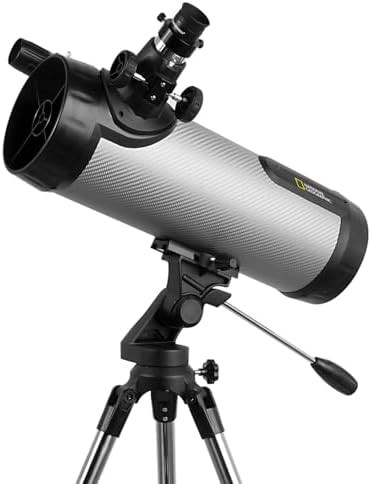
Carbon fiber 114mm reflector with tripod
$142
Red For moon viewing Tripod included With phone adapter For astrophotography
 8.0
 7.9
Celestron
One hundred thirty millimeter digital reflector
$723
Tripod included Altazimuth mounts Digital 130mm aperture
 7.8
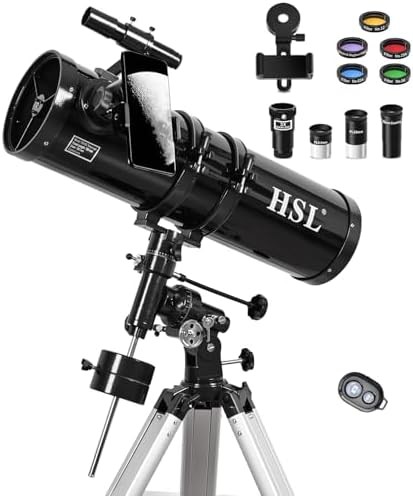
HSL
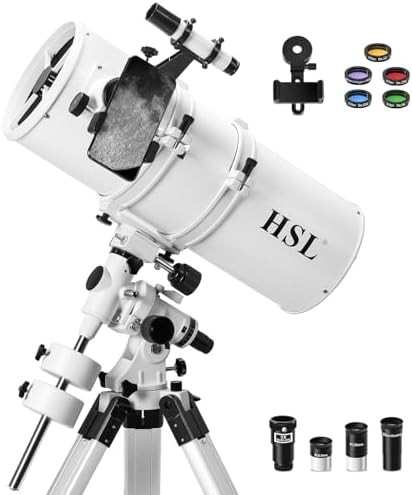
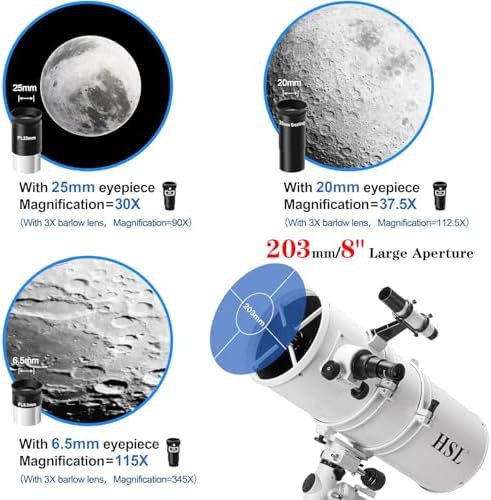
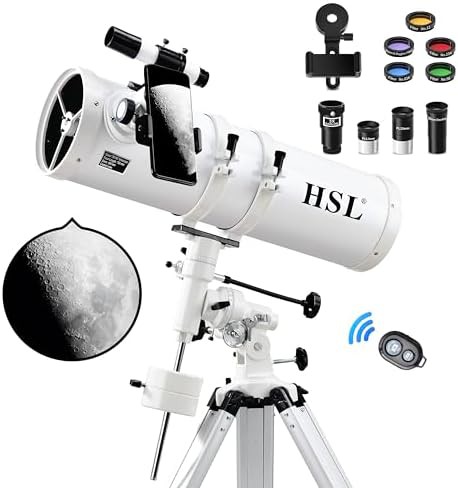
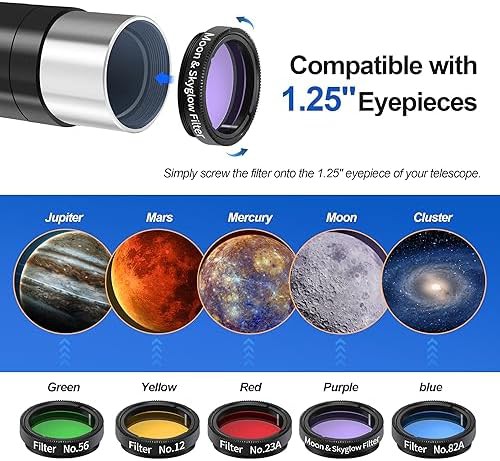
HSL 203EQ 800mm reflector with barlow and filters
$700
For adults For beginners Equatorial mounts 800mm focal length
 7.7
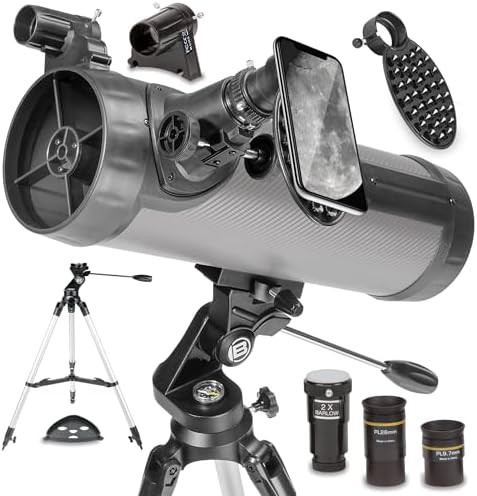 7.3
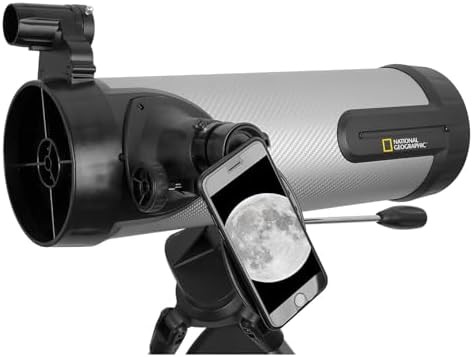
Explore Scientific
Reflector 114mm with smartphone adapter
$79.99
For moon viewing With phone adapter For deep sky For astrophotography 114mm aperture
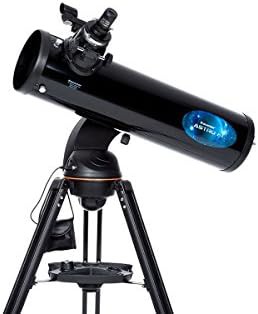 7.0
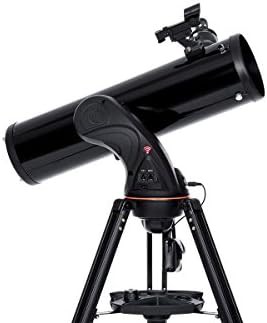
Celestron
Smart reflector telescope with built-in wifi
$539
For beginners For moon viewing Smart 130mm aperture
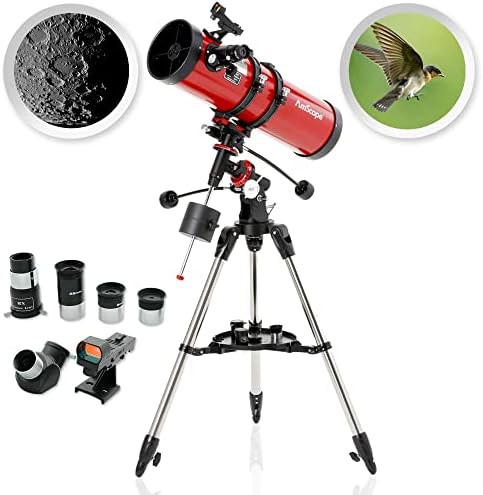
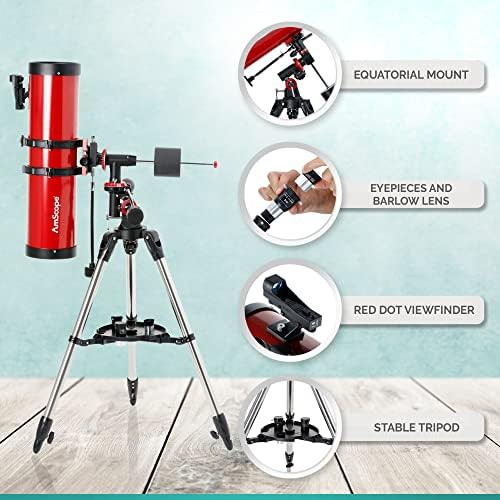
AmScope
Reflector telescope with 130mm aperture
$99.99
Tripod included Equatorial mounts 130mm aperture
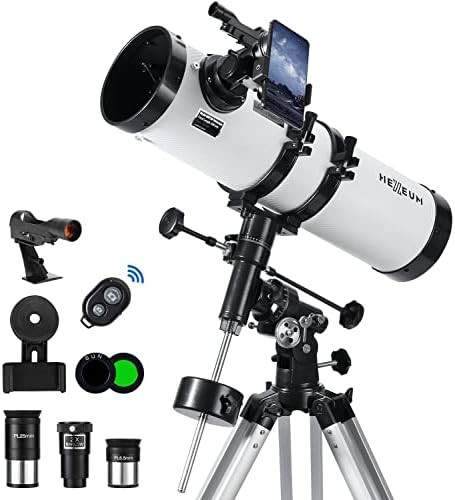
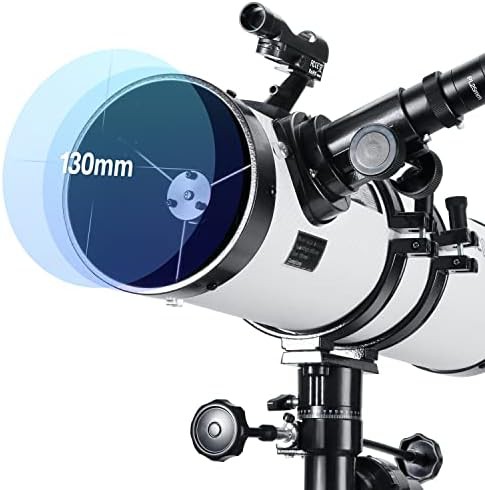
Koolpte
Reflector telescope with 130mm aperture and EQ mount
$250
For moon viewing Equatorial mounts For deep sky 130mm aperture
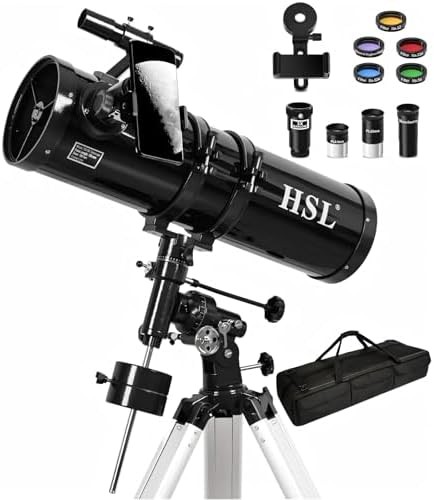
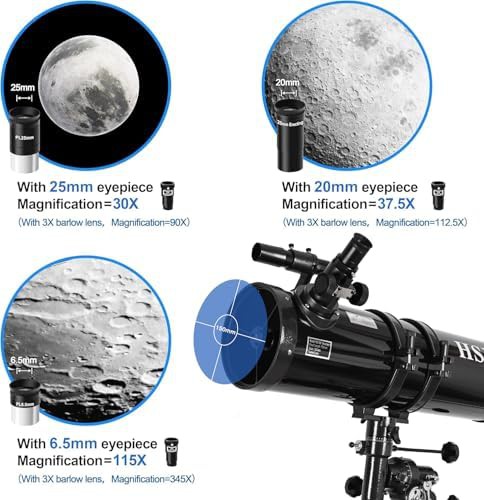
HSL
HSL 150EQ 750mm reflector with tripod and filters
$370
For adults For beginners Tripod included With phone adapter Equatorial mounts
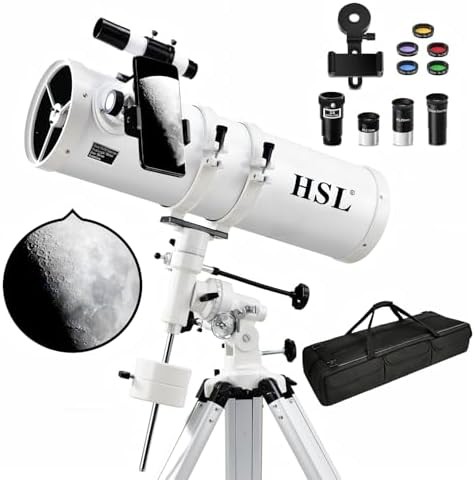
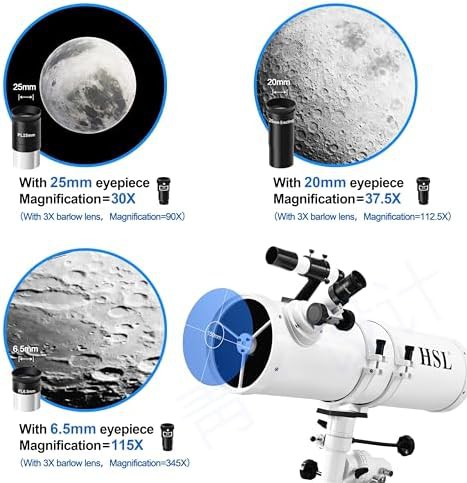
HSL
HSL 150EQ 750mm reflector with phone adapter and filters
$370
For adults For beginners For moon viewing With phone adapter Equatorial mounts
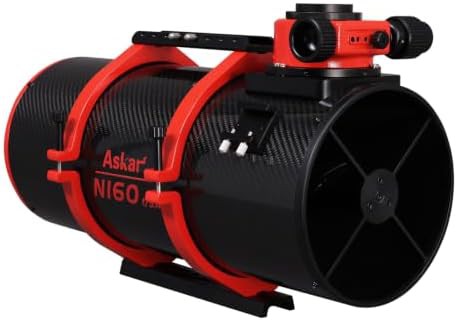
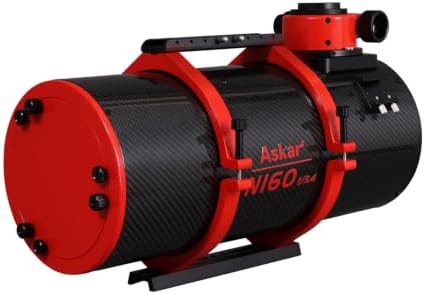
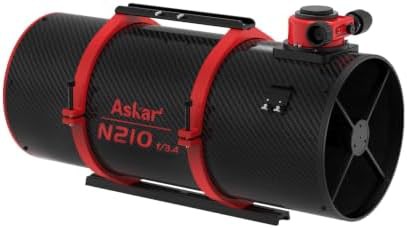
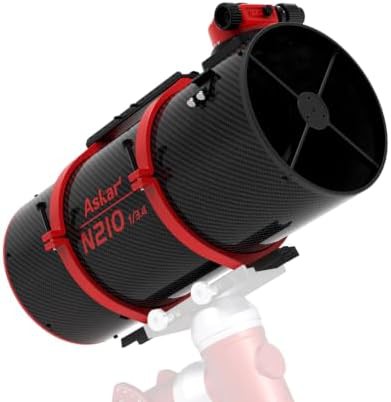
Askar
Large 210mm Newtonian reflector astrograph
$1,599
Professional For deep sky For astrophotography
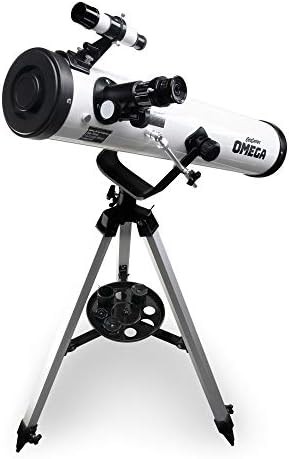 7.7
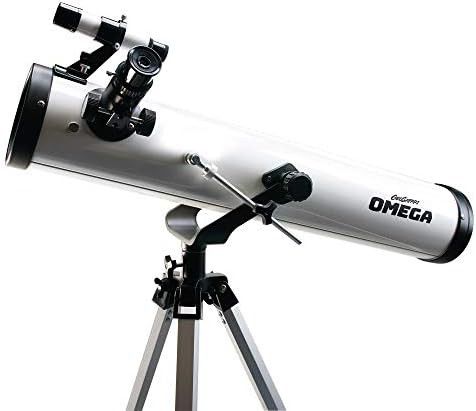
Educational Insights
Omega 700mm reflector for deep sky
For adults For beginners For kids For moon viewing For deep sky
 6.5
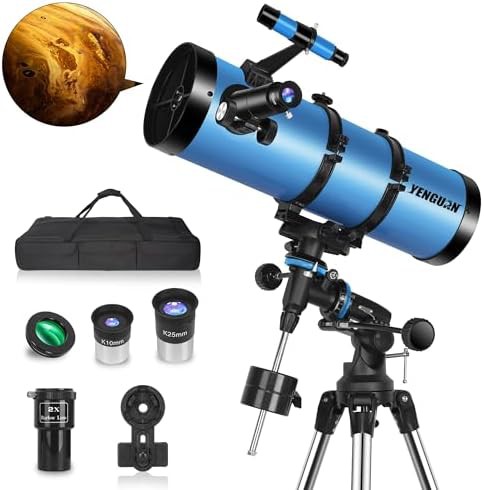
YENGUAN
Blue Newtonian reflector with equatorial mount
Blue For adults For beginners For kids For moon viewing Tripod included
Before you buy
Reflector telescope questions
How often do I need to collimate a reflector telescope?
Many owners check alignment before each session, especially after transporting the scope. The samples include Newtonian reflectors that hold collimation well once set, but a bumpy car ride can shift the mirrors. A quick check with a collimation cap or laser takes a few minutes.
Can a reflector telescope be used for astrophotography?
Yes, especially for the Moon and planets with a smartphone adapter or a dedicated camera. Deep-sky imaging is possible but demands a sturdy equatorial mount and tracking. Some samples include a computerized GoTo mount that follows objects across the sky.
What is the advantage of a larger aperture in a reflector?
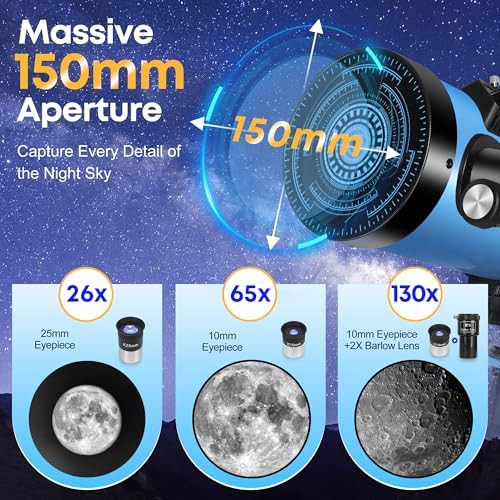
A larger mirror collects more light, which reveals fainter objects and finer detail. The samples range from 114mm to 150mm, so you can choose based on how much you want to see. A 150mm reflector shows more than a 114mm on nebulae and star clusters.
Are reflector telescopes harder to maintain than refractors?
They need occasional collimation and the open tube can collect dust, so a cover helps. Refractors are sealed and rarely need adjustment. The trade-off is that reflectors give you more aperture for the same size and cost.
What a reflector telescope is and how it works
A reflector telescope gathers light with a curved mirror at the back of the tube instead of a glass lens at the front. That design lets you get a larger aperture for the same money, which matters when you want to see faint galaxies, nebulae, and detail on the Moon and planets. The samples include Newtonian reflectors on equatorial mounts, computerized GoTo models, and a self-aligning scope that finds objects for you.
The tube is open at the front and the eyepiece sits on the side near the top, so you view from a slightly different position than with a refractor. Collimation, or aligning the mirrors, is part of owning a reflector, though many samples come with tools or caps to make it straightforward. Colors in the samples run from dark blue to red to black.
How reflector telescopes differ from other optical designs
Refractors use lenses and tend to be sealed against dust and misalignment, but they cost more per inch of aperture. Dobsonian telescopes are a type of reflector on a simple wooden rocker box, which favors large mirrors and low cost over tracking. Catadioptric scopes fold light with both mirrors and a corrector plate, making a compact tube that is heavier per inch than a plain Newtonian.