 7.9
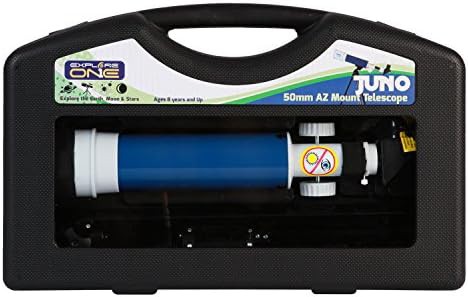
Explore Scientific - Toys
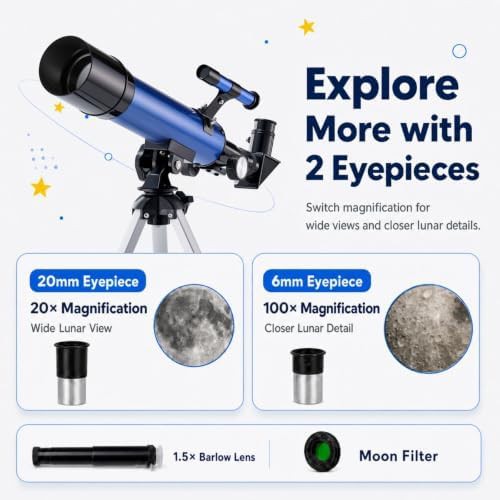
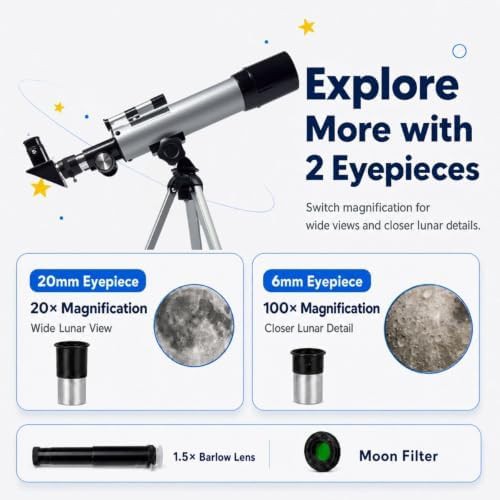
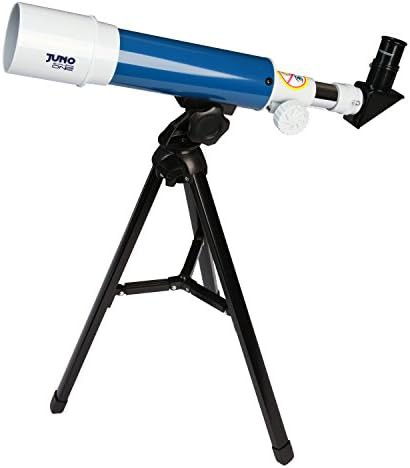
Explore One 50mm alt-azimuth refractor
$48.14
For beginners For kids For moon viewing Tripod included Altazimuth mounts
Lightweight entry-level lenses for casual moon viewing and daytime use 13 telescopes · 10 brands
7.9
For beginners For kids For moon viewing Tripod included Altazimuth mounts
 7.6
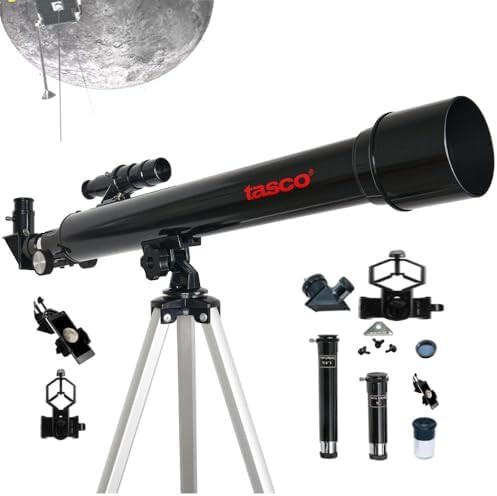
Black For adults For beginners Refractor Tripod included
 7.6
 7.1
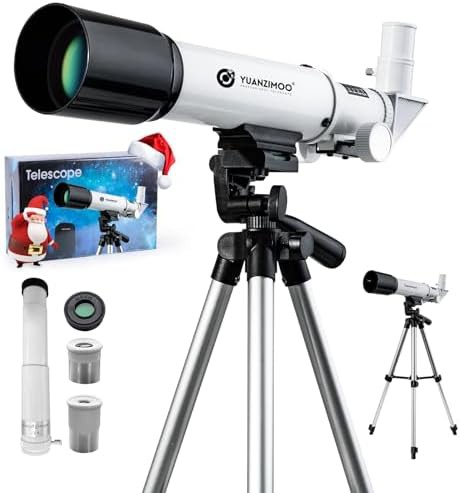
For adults For beginners For kids Portable Tripod included Budget
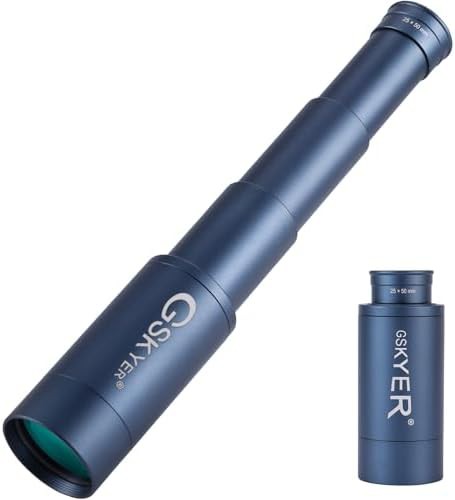 6.8
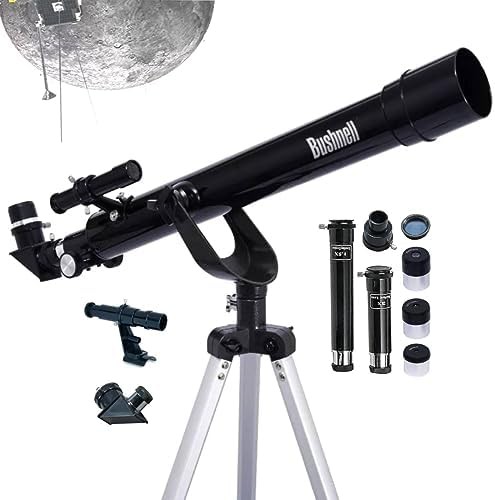
Refractor For deep sky 600mm focal length
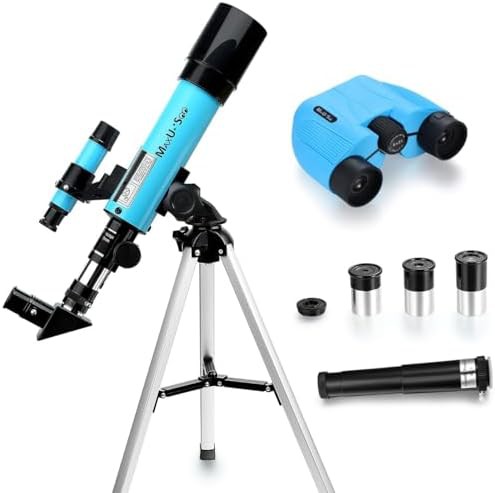
For beginners Refractor For kids For moon viewing Portable For travel
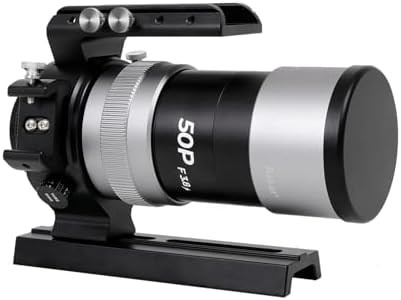
Refractor Portable Professional For deep sky For astrophotography
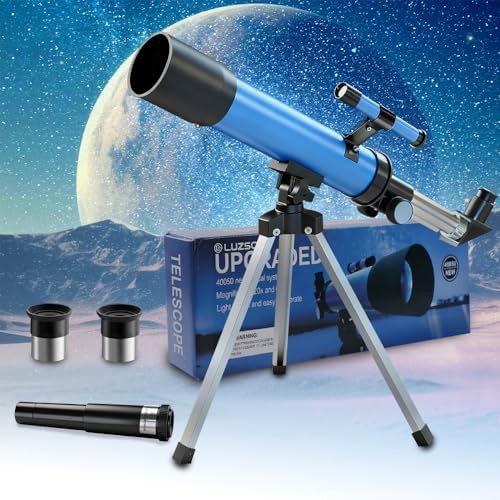 8.7
For beginners For kids For moon viewing Tripod included Budget
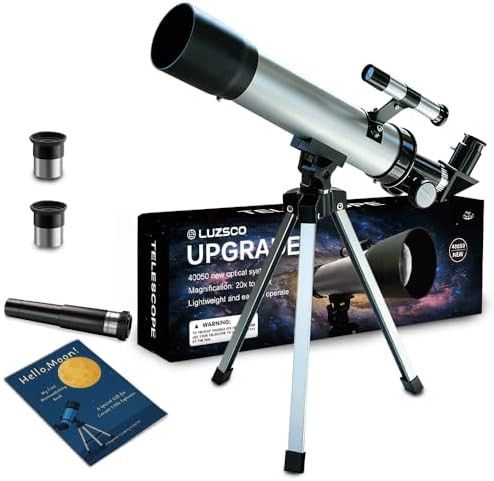 8.4
For beginners For kids For moon viewing Tripod included Budget
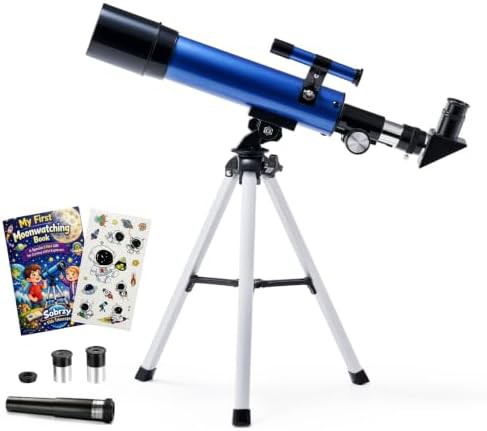
For beginners For kids For moon viewing Tripod included Budget
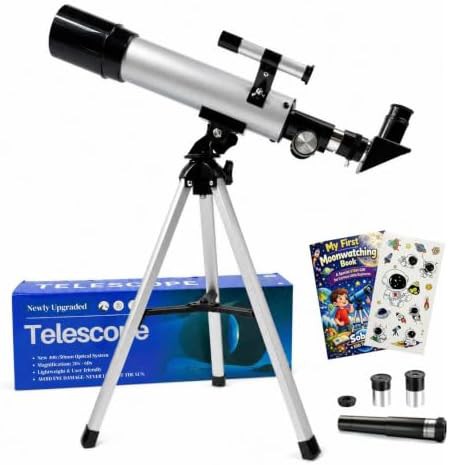
For beginners For kids For moon viewing Tripod included Budget
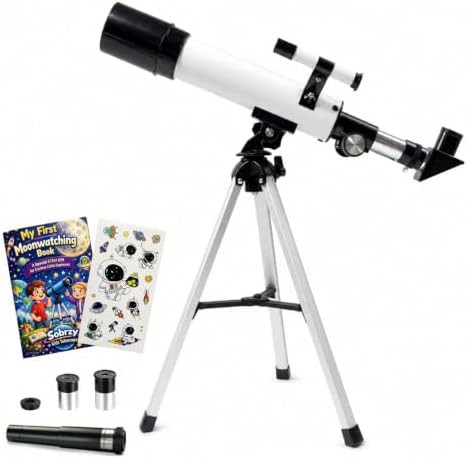
For beginners For kids For moon viewing Tripod included Budget
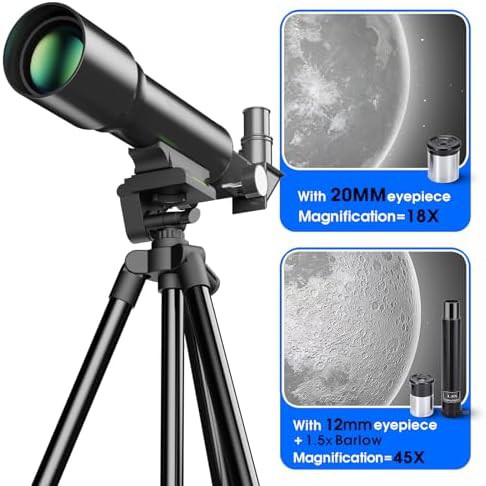
You can see craters and maria on the moon, bright planets like Jupiter and Saturn as small disks, and some open star clusters. Faint galaxies and nebulae are mostly out of reach because of the small aperture.
Yes, the lightweight tube and simple alt-azimuth mount suit beginners. Many 50mm models are sold as kids scopes with a tripod and basic eyepieces included.
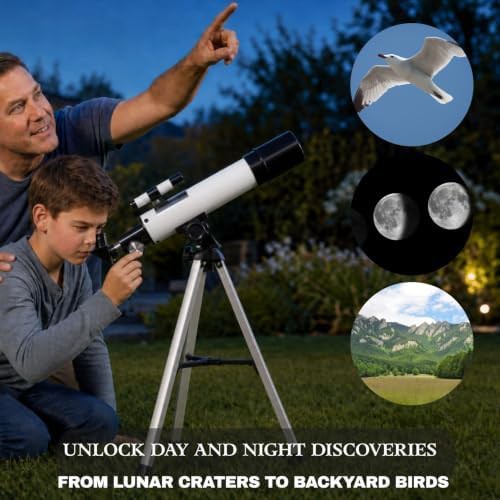
A 50mm refractor can be pointed at birds, ships, and landscapes, though it is not waterproof. A 25x50 monocular is the more portable option for daytime spotting.
A telescope accepts interchangeable eyepieces and mounts on a tripod for two-eyed or single-eyed night sky use. A monocular is a sealed, handheld unit designed for quick daytime viewing.
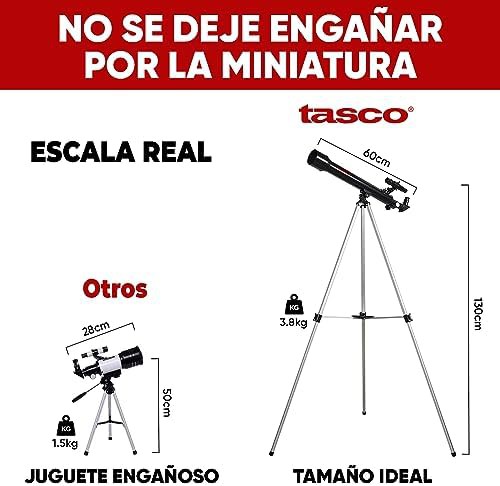
A 50mm telescope is a small refractor or spotting scope built around a 50mm objective lens. These are lightweight instruments meant for casual moon viewing, daytime bird watching, and sightseeing, often sold as beginner scopes for kids or as compact monoculars for adults.
The small aperture keeps the whole setup light enough to carry with one hand and stable on a simple alt-azimuth tripod. You get low to moderate magnification, which is enough to resolve craters on the moon and pick out bright planets, but not enough to pull in faint deep-sky objects.
Compared to 70mm or 90mm refractors, a 50mm scope gathers less light and resolves less detail, so it struggles with dim targets and fine planetary features. The trade-off is portability and simplicity: a 50mm tube is easier to store, quicker to set up, and less demanding on the mount.
A 50mm monocular or spotting scope is a different product from a 50mm astronomical refractor. The monocular is designed for one-handed use and daytime viewing, while the refractor accepts eyepieces and sits on a tripod for night sky observing.