Optical design
We categorize gear by how it handles light, separating traditional lens-based refractors from mirror-based reflectors and compact Maksutov-Cassegrain systems.
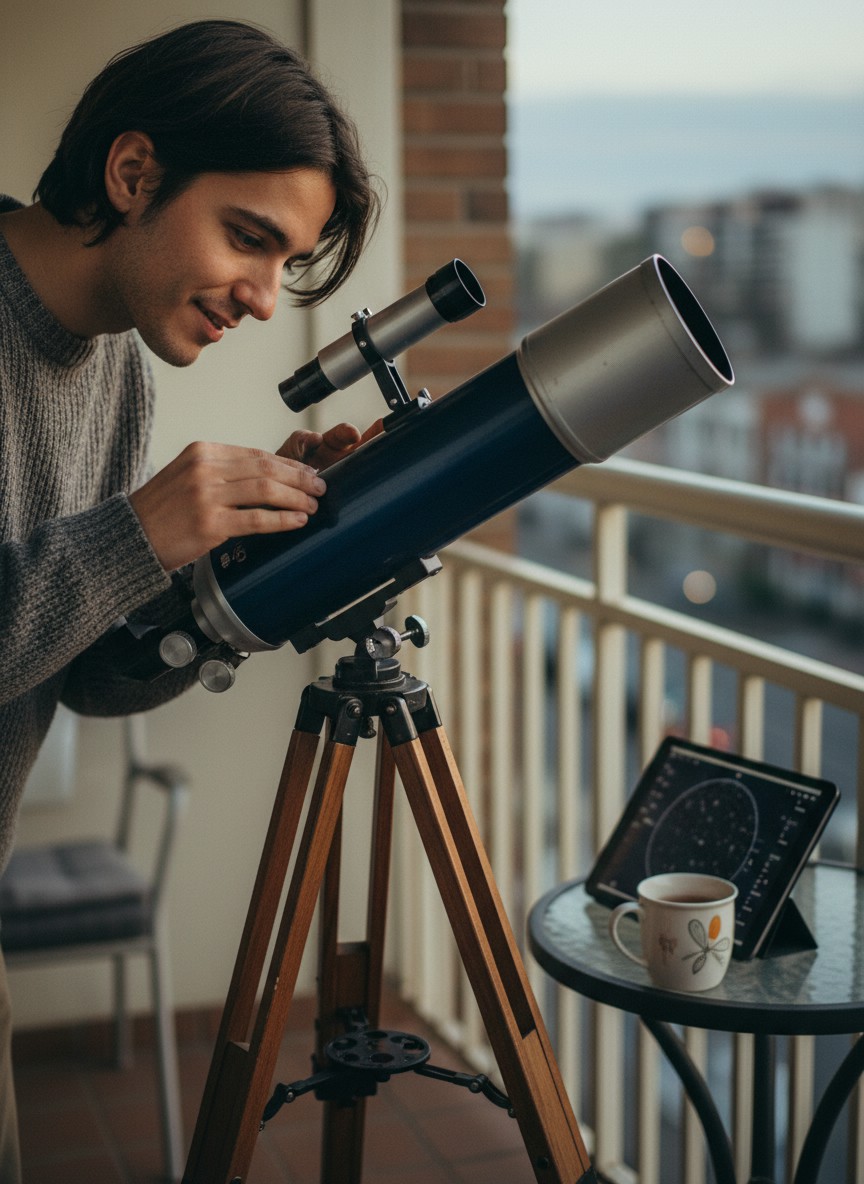
Finding the right way to look at the sky depends on what you want to see and how much gear you want to carry. This catalog organizes 286 live products to help you compare apertures and focal lengths.
We sort through hundreds of optical instruments to group them by their actual use and hardware specs. This catalog focuses on clarity and utility rather than marketing claims.
We categorize gear by how it handles light, separating traditional lens-based refractors from mirror-based reflectors and compact Maksutov-Cassegrain systems.
The listings distinguish between simple altazimuth mounts for manual tracking and equatorial wedges designed for following the rotation of the stars.
We tag equipment based on its strengths, such as high-contrast optics for moon viewing or portable builds meant for travel and camping.
Each telescope gets a score out of 10. We combine what shoppers have said with what we know about availability and brand.
When a product has a public average from reviews, that number is the biggest part of its score.
If we have notes about a telescope but no average, those notes still add a small amount to the score.
More reviews lift the score slightly, very few pull it down, and products that are often out of stock lose a little.
The aperture determines how much light the telescope can collect, which dictates how bright and clear the image will be. Focal length affects the magnification and field of view, with shorter lengths often preferred for wide views of the stars.
Traditional mounts require you to move the telescope by hand to track objects as the Earth rotates. Modern smart telescopes use digital sensors and motors to find and track celestial objects automatically via a phone app.
For those who travel to find dark skies, portable kits with carry bags are essential. Many listings also include extras like moon filters to reduce glare and Barlow lenses to increase magnification.
A collection is a short cut into the catalog
Full-sized instruments ranging from entry-level to professional-grade optics
User-friendly setups designed for those starting their astronomical journey
Durable and educational optics perfect for young aspiring scientists
Traditional lens-based systems ideal for crisp views of the moon and planets
High-contrast optics perfect for exploring lunar craters and mountains
Lightweight designs built for easy transport to dark-sky locations
Full-height adjustable stands for stable viewing at any angle
Compact kits that fit into backpacks for camping and hiking trips
The lower-priced listings in this catalog
Includes hardware to mount your smartphone for easy photography
Simple up-down and left-right movement for intuitive tracking
Substantial light collection for clearer views of Saturn's rings and Jupiter's moons