 9.0
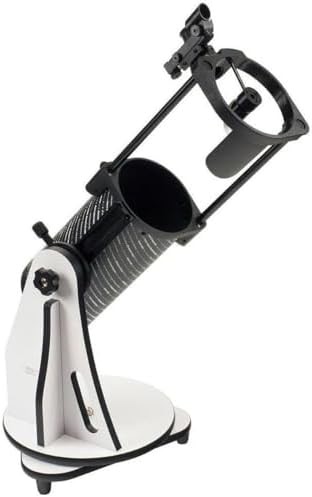
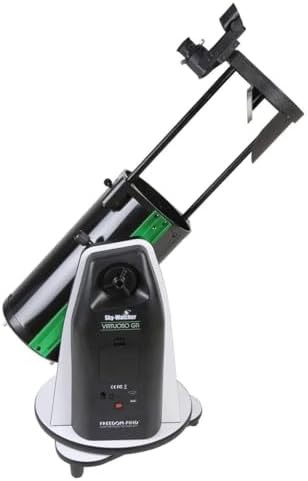
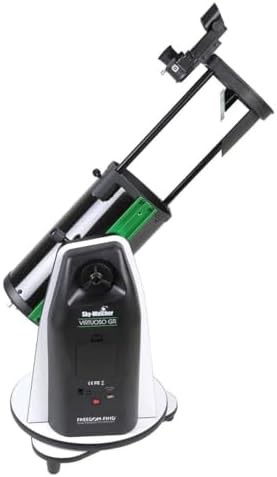
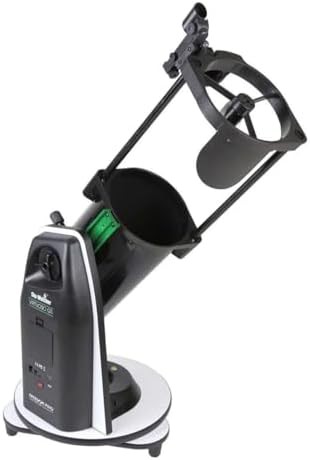
Sky-Watcher
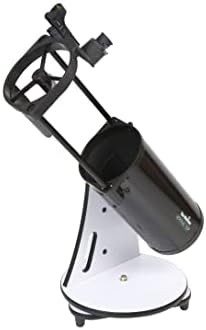
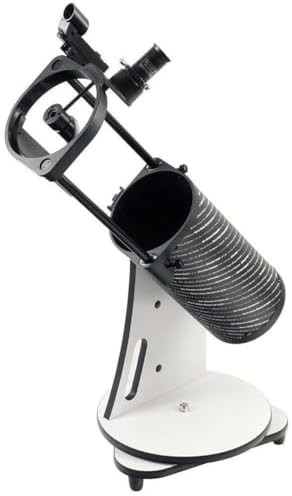
Heritage 130mm tabletop Dobsonian black telescope
$305
Black For beginners Dobsonian White 130mm aperture
Compact bases designed for use on flat surfaces rather than full tripods 12 telescopes · 9 brands
9.0
Black For beginners Dobsonian White 130mm aperture
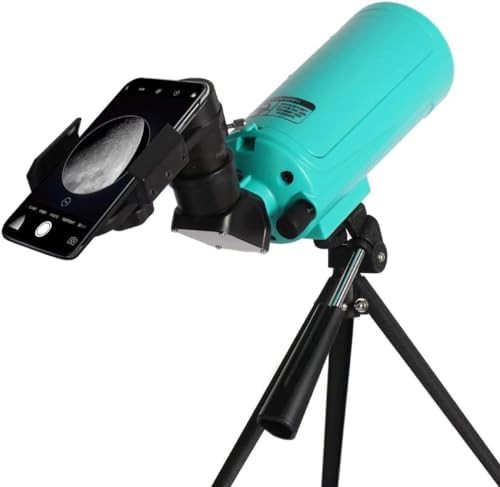 8.5
For adults For beginners For kids Portable Tripod included For travel
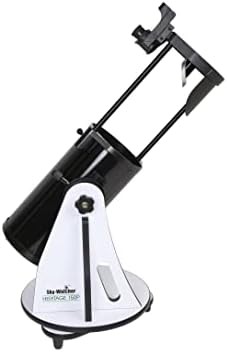 8.2
For beginners For moon viewing Portable Dobsonian
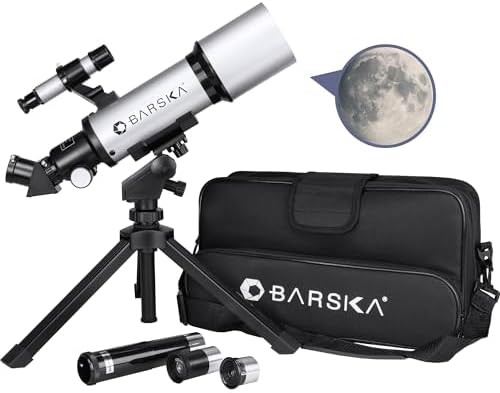 8.1
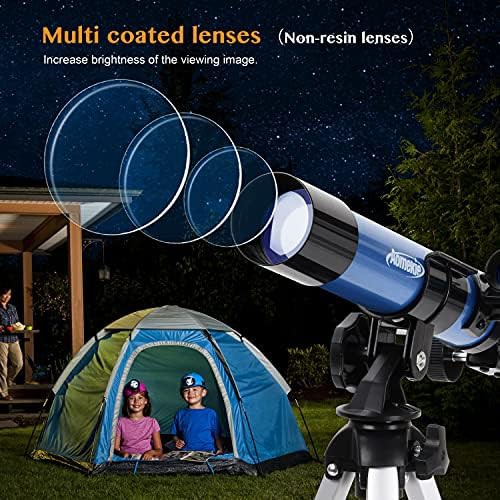
For beginners Refractor For kids Tripod included 400mm focal length
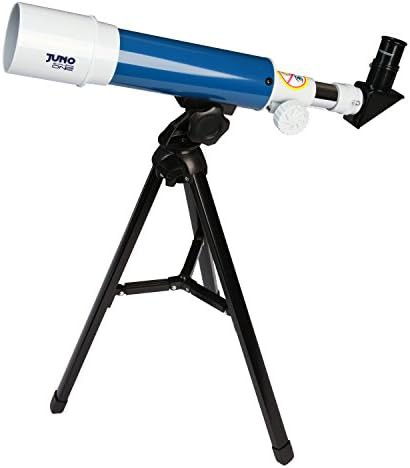 7.9
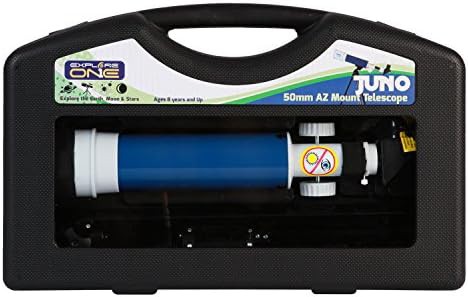
For beginners For kids For moon viewing Tripod included Altazimuth mounts 50mm aperture
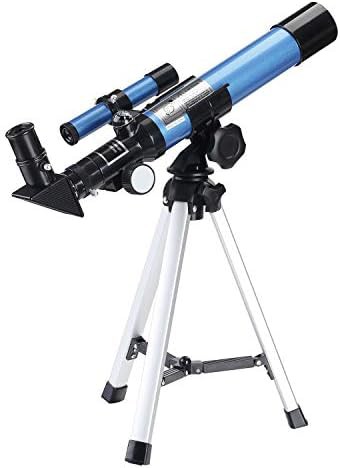 7.7
For beginners Refractor For kids For moon viewing Tripod included Budget
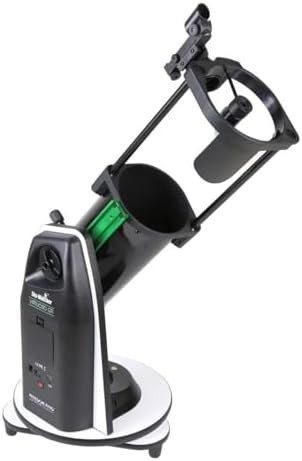
For moon viewing Dobsonian 130mm aperture
 7.1
For beginners For kids Tripod included Budget STEM learning
It is possible but awkward because the eyepiece ends up very low. The design assumes a raised flat surface like a table or wall. A sturdy stool or crate can work if it is stable.
Yes, Newtonian reflectors typically need collimation to align the mirrors. Many tabletop Dobsonians hold collimation well once set. A collimation cap or laser tool helps when adjusting.
You can see lunar craters, Saturn's rings, Jupiter's cloud bands, and brighter deep-sky objects like the Orion Nebula. Light pollution limits what is visible. A darker sky improves the view.
They can be, especially the smaller refractor models with simple mounts. The low eyepiece position suits shorter observers. An adult may still need to help with aiming and focusing.
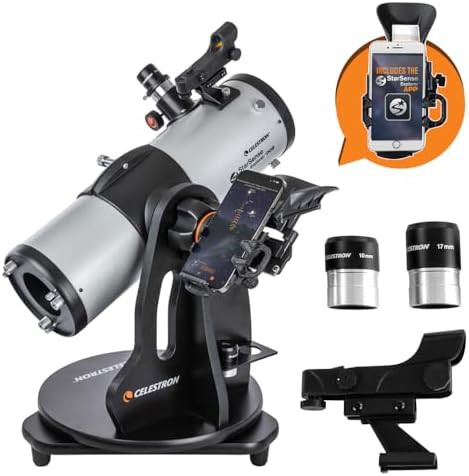
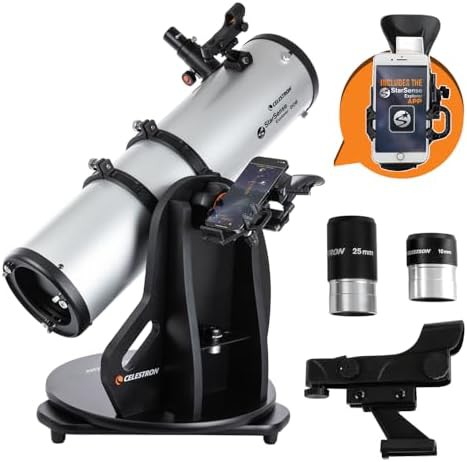
A tabletop telescope is a compact instrument designed to sit on a flat surface like a picnic table, balcony rail, or car hood rather than on a full-height tripod. The base is often a small rocker box or a short altazimuth mount that keeps the tube low and stable. These are grab-and-go scopes for quick looks at the Moon, planets, and bright deep-sky objects without hauling out a full setup.
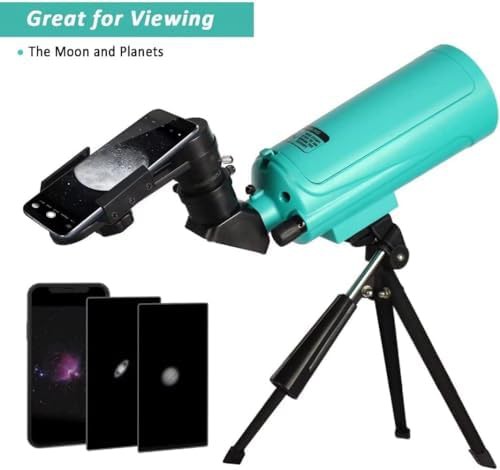
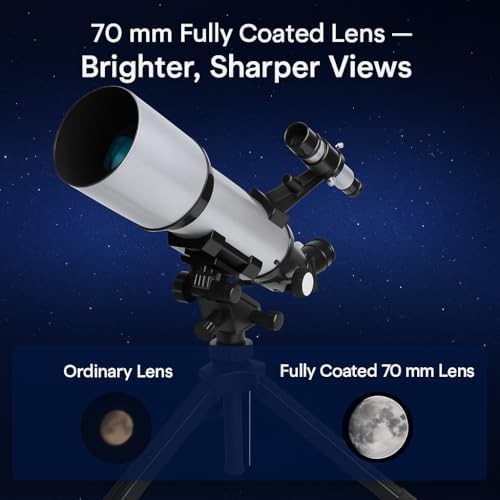
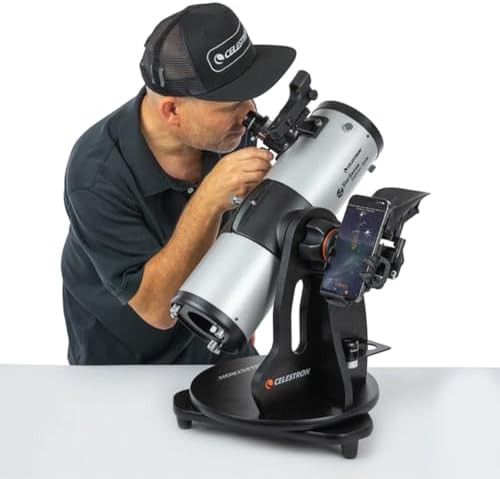
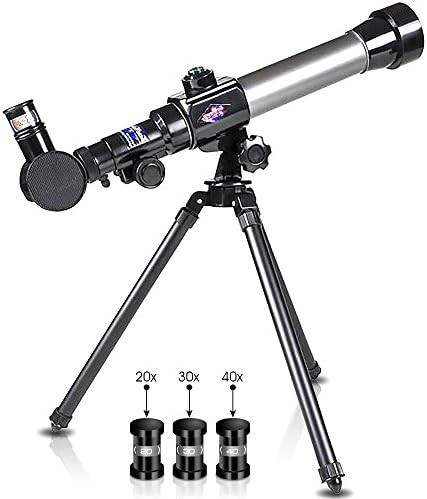
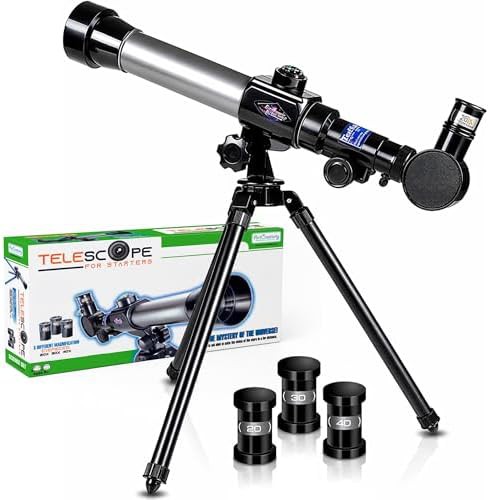
The form shows up in a few distinct styles. Dobsonian tabletop models use a simple wooden or particleboard base and a Newtonian reflector tube, sometimes collapsible for travel. Smaller refractors and Maksutov-Cassegrain tubes appear on short tripods or tabletop mounts, often with slow-motion controls or a phone adapter for aiming.
Because the base sits on a table, the observer often crouches or sits to look through the eyepiece. That low position can be awkward for some, but it also means the scope stays steady in light wind and takes up little space when stored. The trade-off is that you need a sturdy surface at a comfortable height.
Aperture ranges from small beginner scopes around 50mm up to 150mm tabletop Dobsonians. The larger Dobsonian models gather more light for fainter objects, while the smaller refractors and Maksutovs are lighter and easier to carry. Focal lengths vary widely, from short tubes for wide views to long focal lengths for lunar and planetary detail.
Common materials include black or white painted metal tubes, wooden Dobsonian bases, and plastic or metal tripod legs. Some models include a red dot finder or a phone adapter for star apps. Collapsible truss designs on some Dobsonians let the tube shorten for transport, then extend for observing.