 9.3
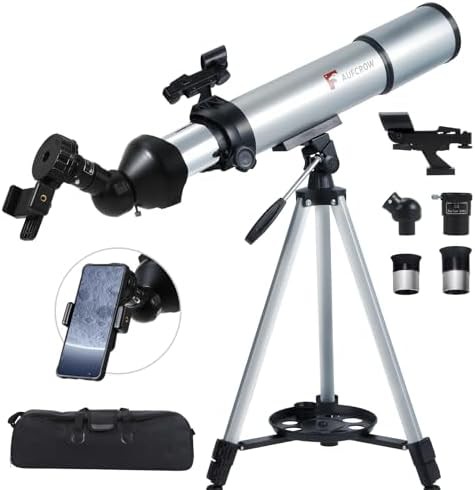
AuFCrow
High powered 80mm refractor with tripod
$38
For adults For beginners Refractor For moon viewing Tripod included With phone adapter
Balanced length for versatile viewing of both planets and deep-sky objects 23 telescopes · 18 brands
9.3
For adults For beginners Refractor For moon viewing Tripod included With phone adapter
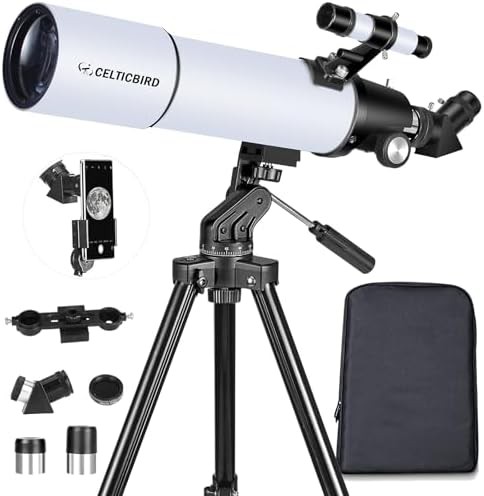 8.9
For adults For beginners Refractor For kids For moon viewing Portable
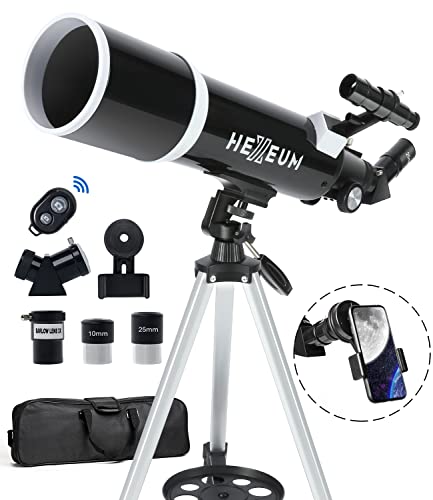 8.8
80mm aperture Adults Kids Moon viewing With phone adapter
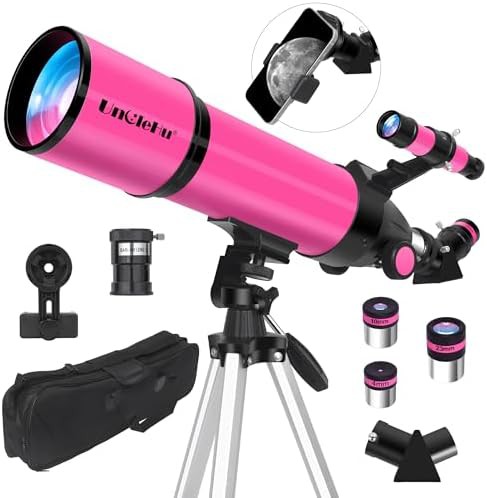 8.8
For adults For beginners Refractor For kids For moon viewing For travel
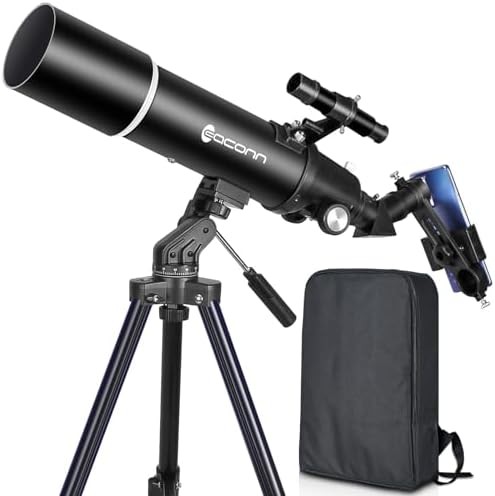 8.7
For adults For beginners Refractor For kids Portable For travel
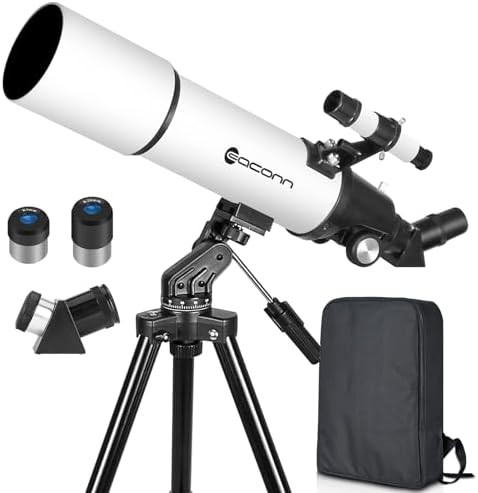 8.7
For adults For beginners Refractor For kids Portable For travel
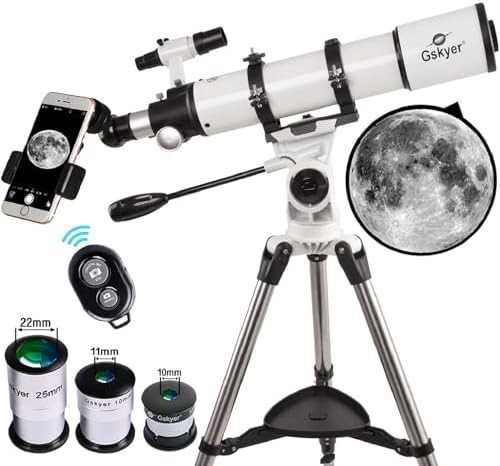 8.5
For adults Refractor Tripod included Altazimuth mounts 90mm aperture
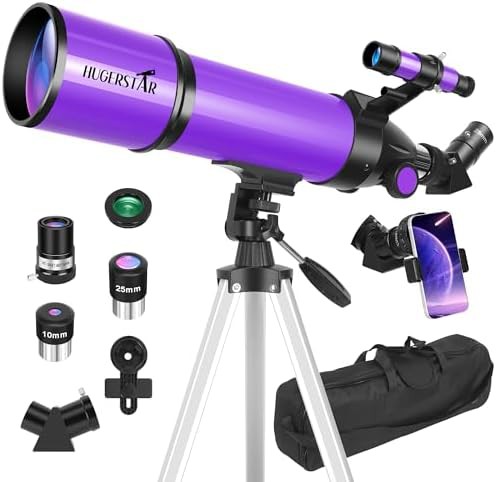 8.5
For adults For beginners Refractor For kids Portable Tripod included
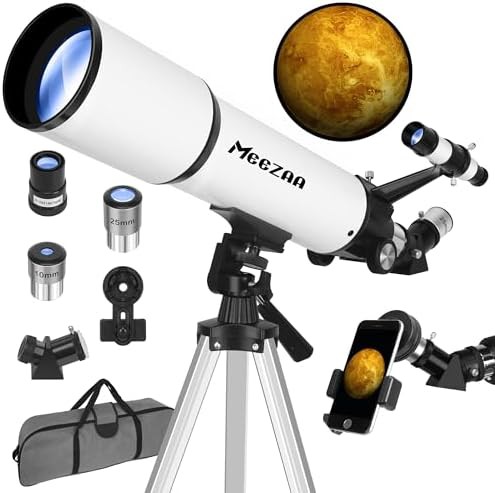 8.4
For adults For beginners Refractor 80mm aperture Professional
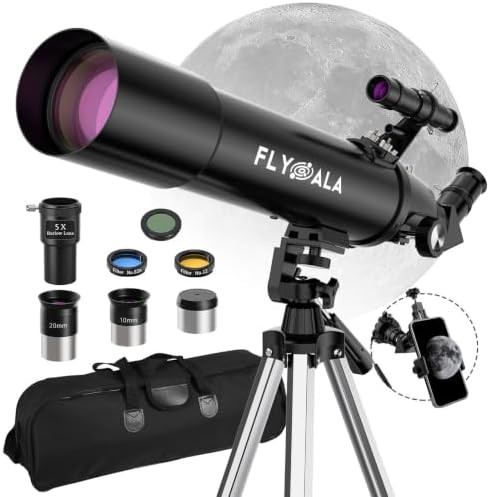 8.2
For adults For beginners Refractor For kids For moon viewing Portable
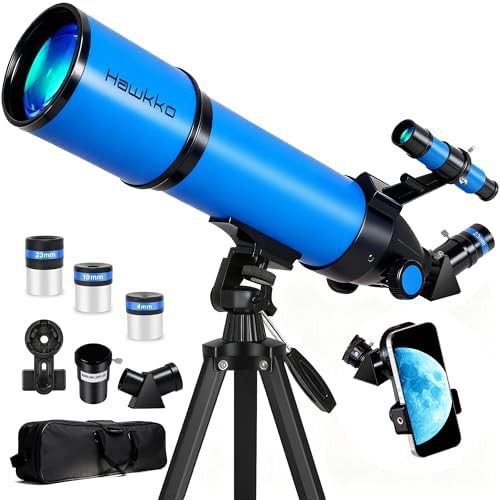 7.4
For adults For beginners Refractor For kids For moon viewing Portable
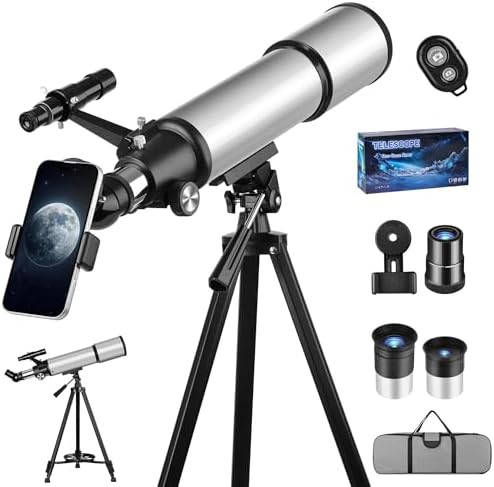 6.9
For adults For beginners Refractor 90mm aperture For deep sky For astrophotography
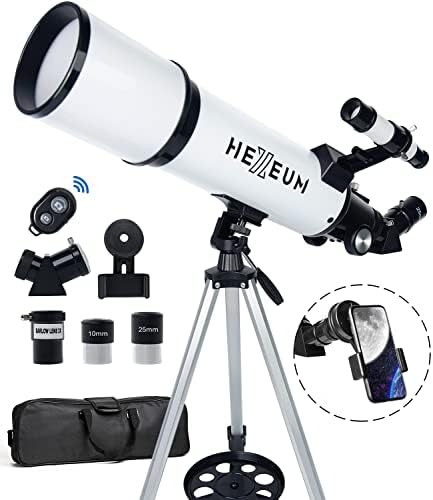
For adults For beginners Refractor For kids For moon viewing Altazimuth mounts
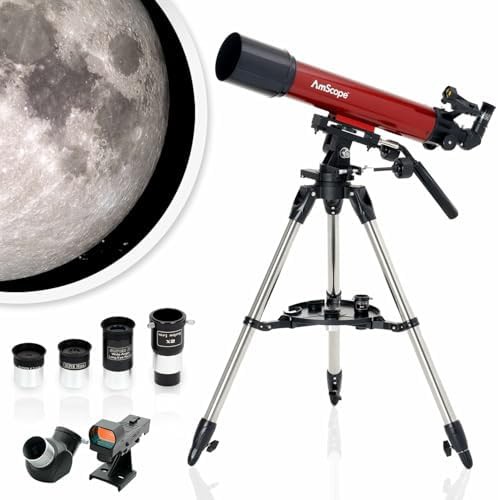
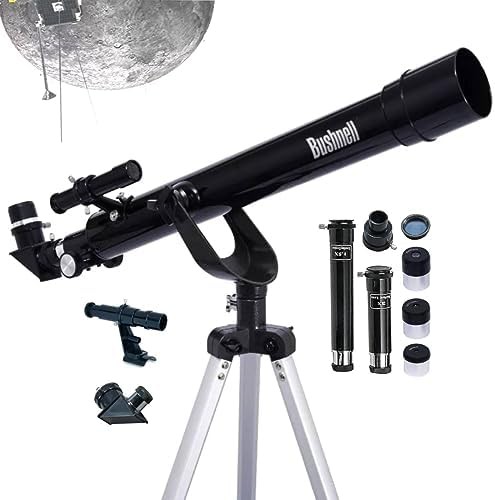
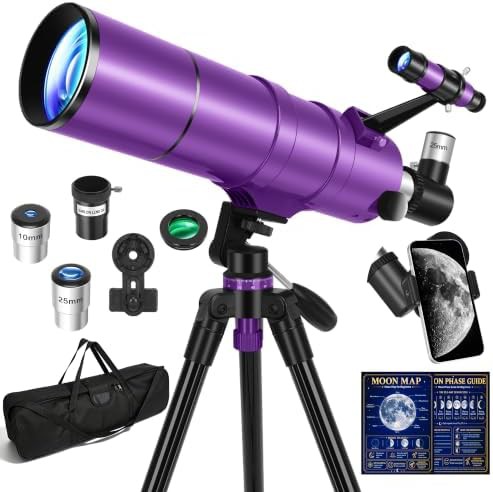
For adults For beginners Refractor For kids For moon viewing Portable
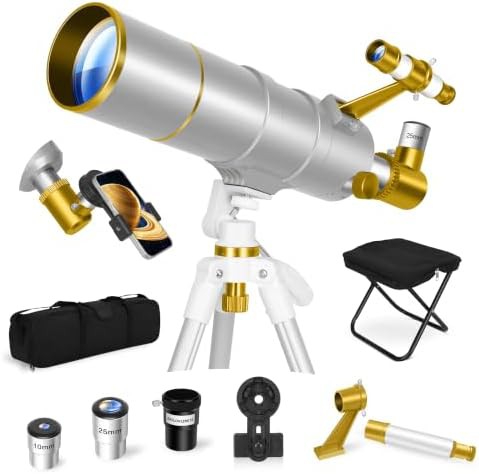
For adults Refractor For kids For moon viewing 90mm aperture
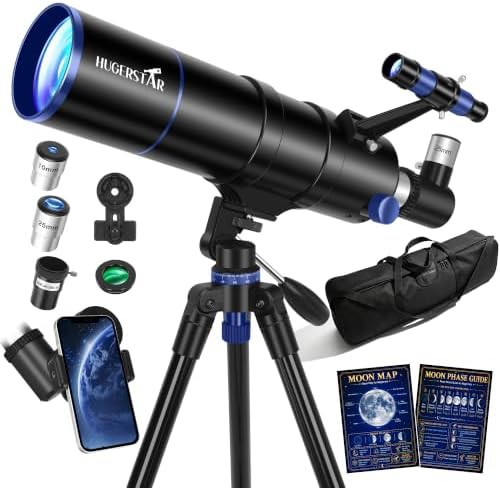
For adults For beginners Refractor For kids For moon viewing 90mm aperture
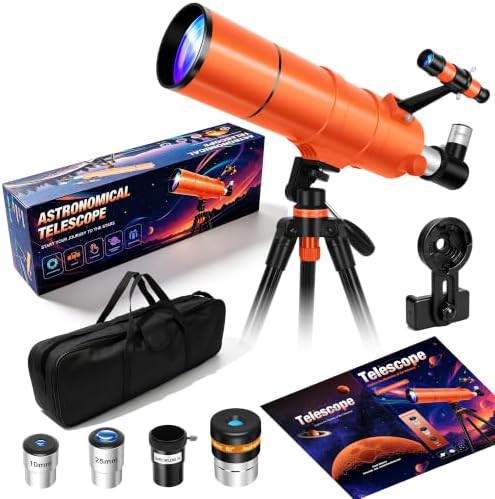
For adults For beginners Refractor For kids 90mm aperture
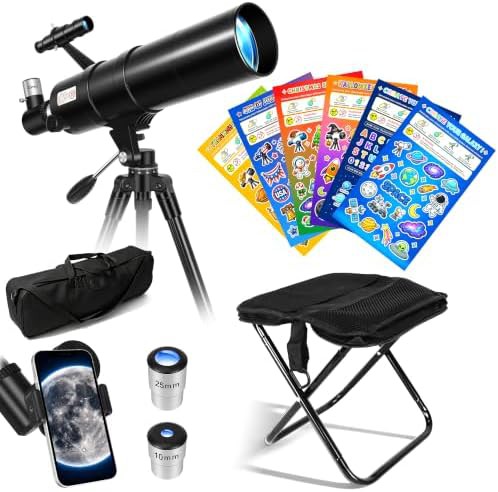
For adults For beginners Refractor For kids For moon viewing Portable
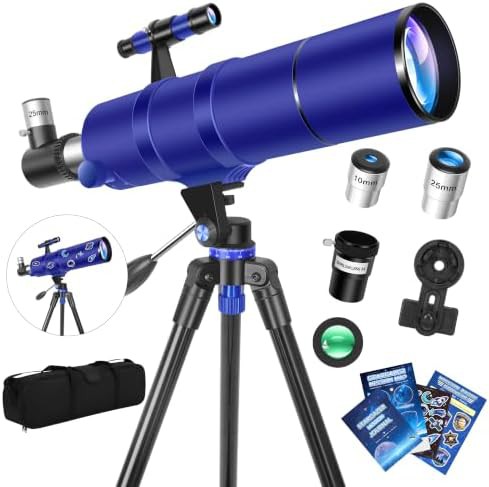
For adults For beginners For kids For moon viewing 90mm aperture
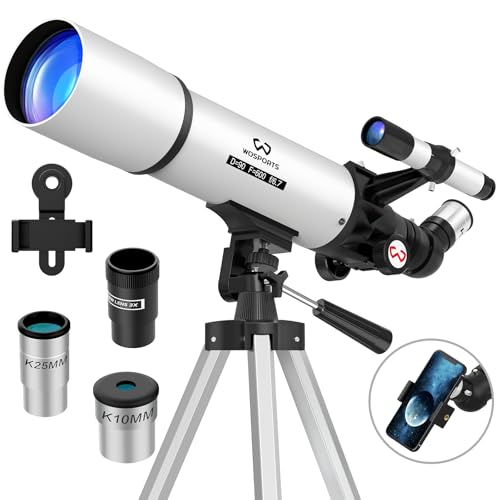
90mm aperture Adults Beginners Bird watching With phone adapter
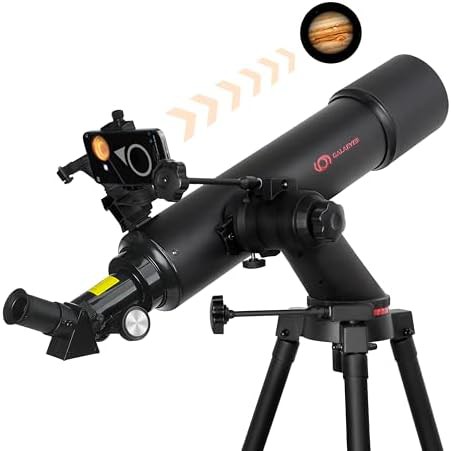
You can see lunar craters, the rings of Saturn, Jupiter and its moons, and brighter deep-sky objects like the Orion Nebula. The 80mm to 102mm apertures at this length are enough for those targets under moderate skies. Fainter galaxies and nebulae will appear as dim smudges rather than detailed structures.
Yes, the short tube and simple AZ mount make it manageable for kids, and many are sold as beginner scopes for that reason. The included backpack or bag helps with carrying it outside. An adult should still help with setup and finding objects at first.
It limits magnification compared to longer focal lengths, but the wider field of view makes it easier to locate deep-sky objects. The aperture matters more for light gathering, so an 80mm or 102mm scope at 600mm can still show brighter nebulae and clusters. Very faint objects will need a darker sky.
A 900mm focal length gives higher magnification for planets but a narrower field of view and a longer tube that is less portable. A 600mm scope is more compact and easier to aim at wide targets. The choice comes down to whether you prioritize planetary detail or portability and ease of finding objects.
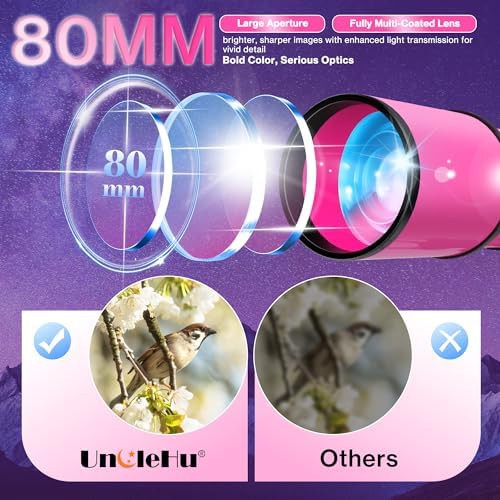
A 600mm focal length sits in the middle ground for backyard astronomy. It gives enough reach to pull in lunar craters and the rings of Saturn without narrowing the view so much that finding objects becomes a chore. The 80mm and 90mm apertures common at this length gather enough light for the brighter deep-sky targets, so a single scope can cover both planetary and wide-field viewing.
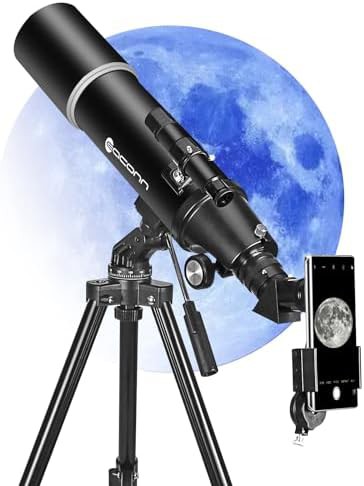
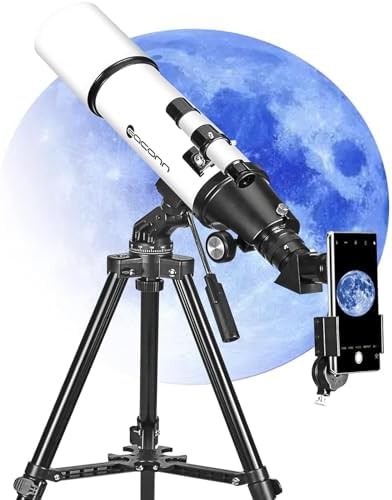
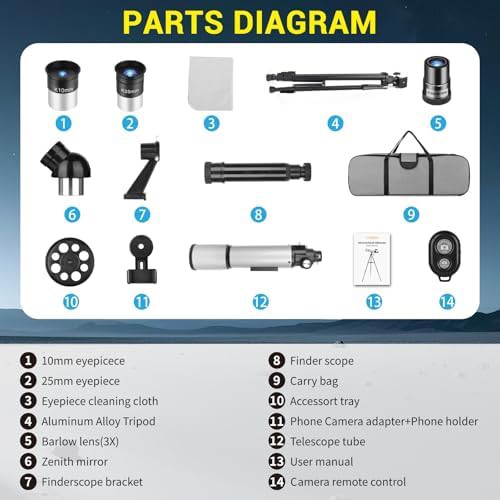
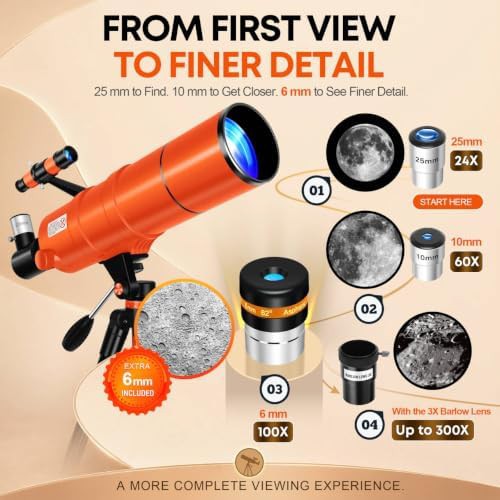
These scopes are often sold as all-in-one kits with a backpack or carry bag, an AZ mount, a phone adapter, and sometimes a moon filter. The included accessories point toward a first scope that can travel to a dark site or a balcony without extra purchases. The 102mm option at this focal length steps up the aperture while keeping the same compact tube length.
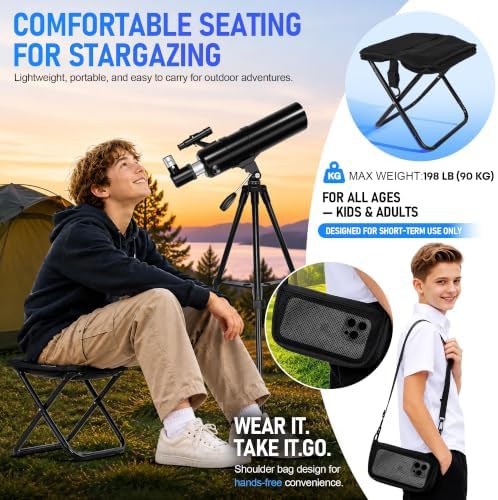
The 600mm tube stays short enough to pack down for car trips or storage in a closet. That portability is the main draw over longer focal lengths, which trade compactness for higher magnification. Buyers who want a single scope for moon viewing and casual deep-sky sessions tend to land here.
At 600mm, the aperture is the main variable. An 80mm refractor is light and easy to mount, while a 90mm or 102mm version gathers more light for fainter objects. The trade-off is weight and bulk, though the tube remains short either way.
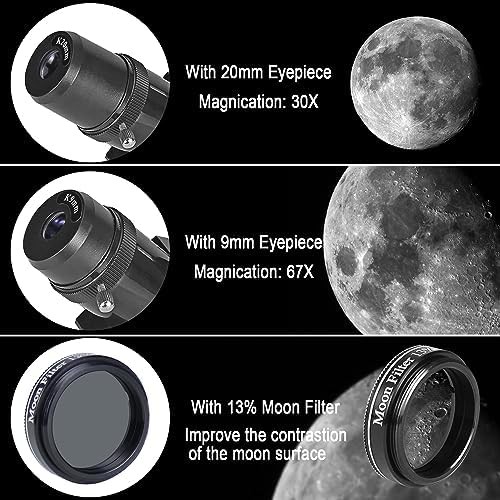
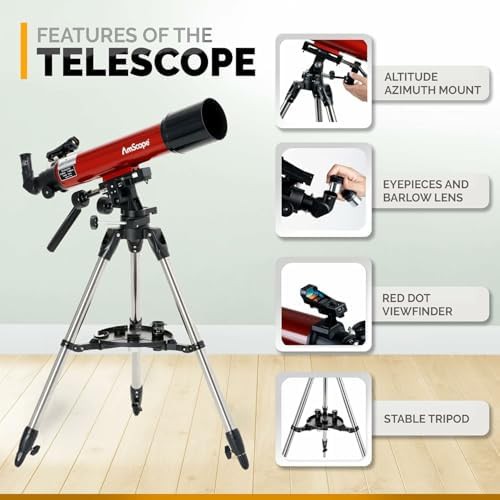
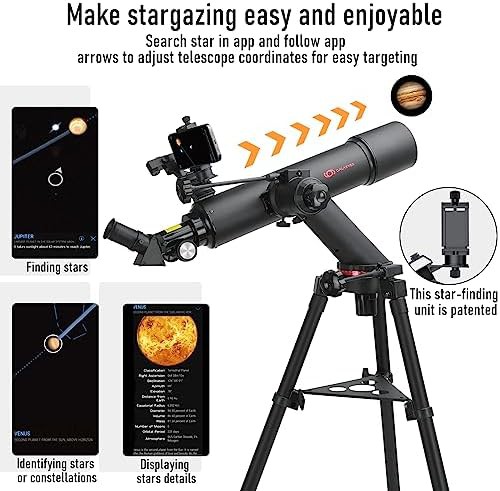
The AZ mount on these scopes is simple to point and track by hand, which suits beginners who do not want to align a computerized system. A phone adapter lets you capture what you see through the eyepiece, and a moon filter cuts glare on the brightest target. These are the features that show up repeatedly at this focal length.