 9.4
BuiltAstro
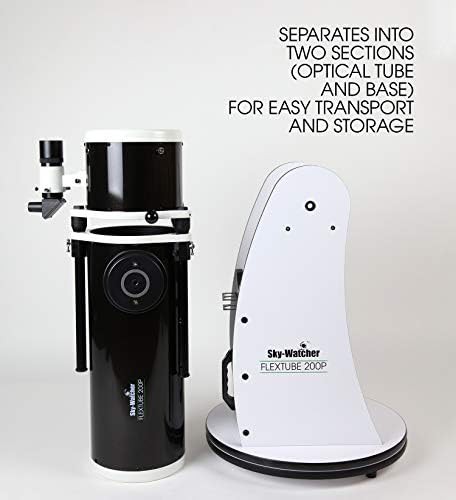
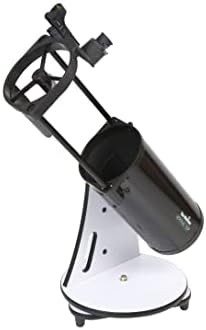
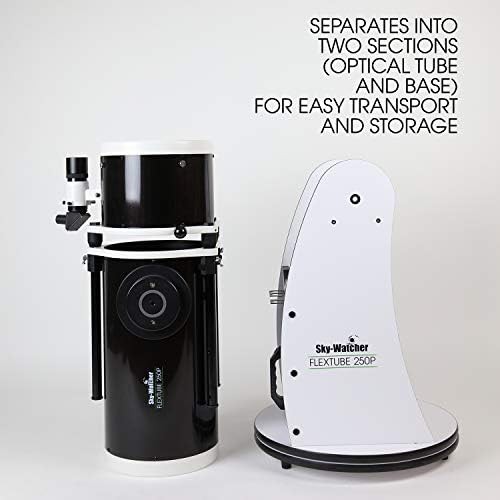
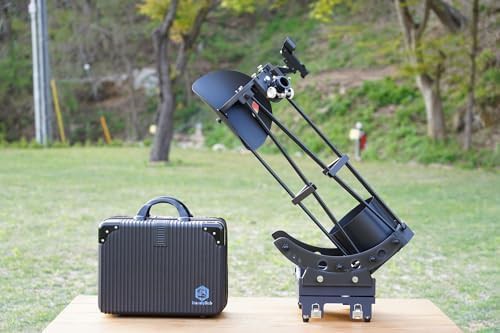
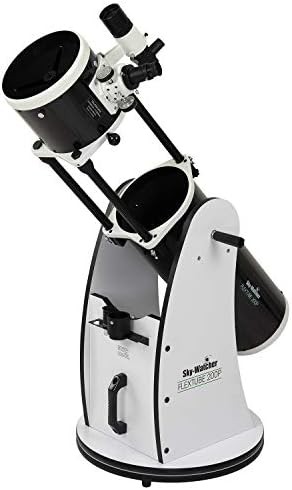
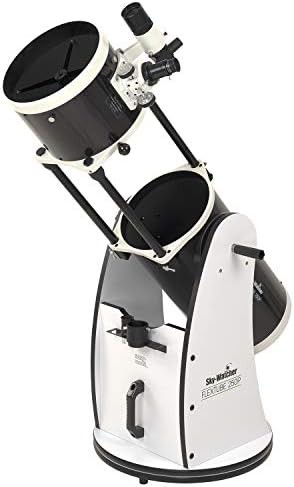
Portable six inch Dobsonian with light shroud
$815
For moon viewing For travel For deep sky Dobsonian
Lightweight designs built for easy transport to dark-sky locations 93 telescopes · 53 brands
9.4
For moon viewing For travel For deep sky Dobsonian
 9.1
 9.1
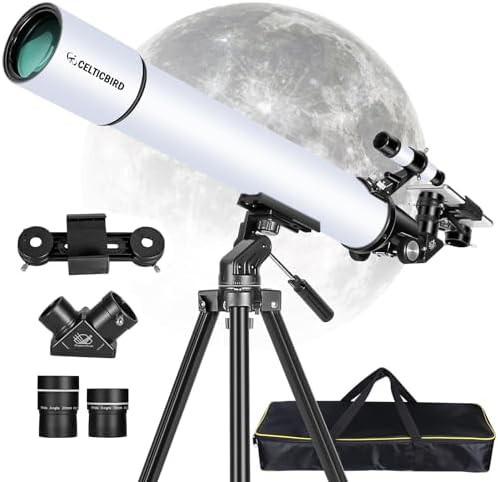
For adults For beginners Refractor For travel Altazimuth mounts
 9.0
 8.9
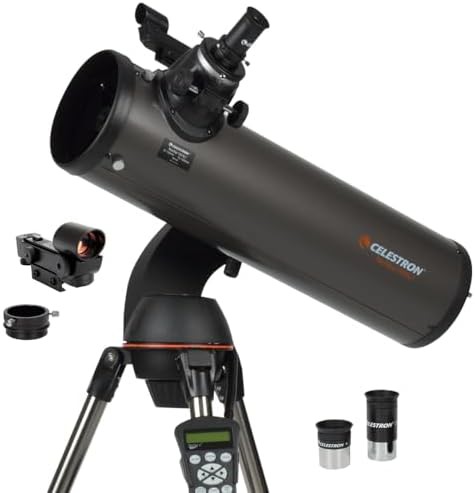
For adults For beginners For kids Reflector 130mm aperture
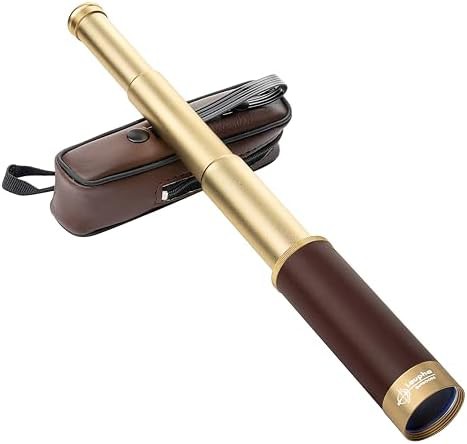 8.9
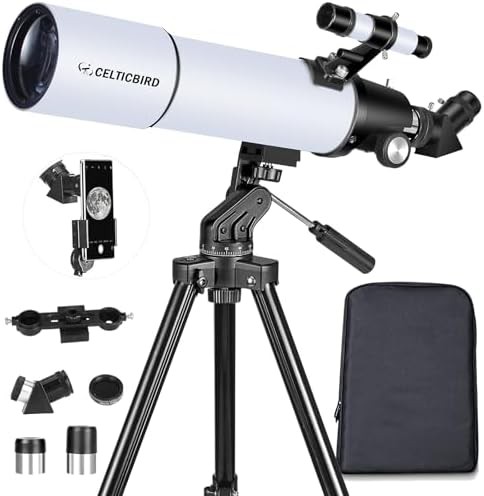 8.9
For adults For beginners Refractor For kids For moon viewing
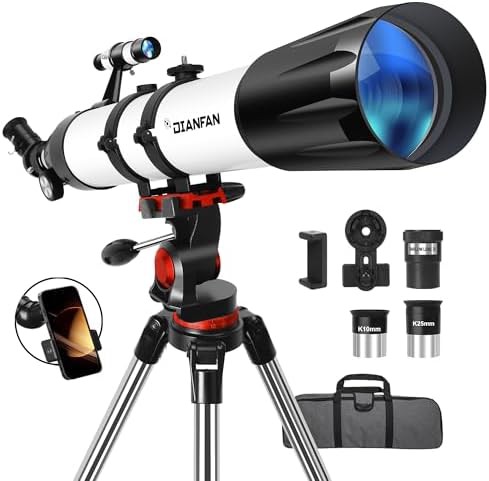 8.9
For adults For beginners Refractor Tripod included With phone adapter
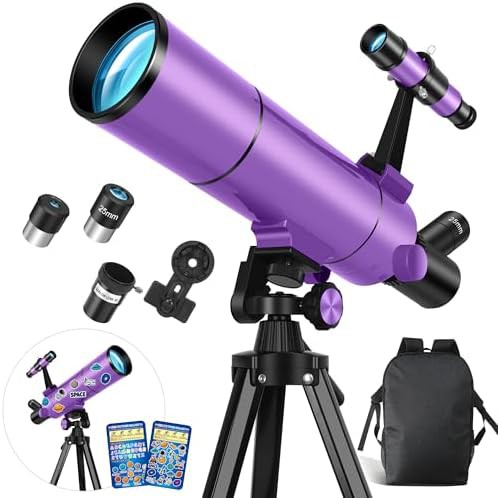 8.9
For adults For beginners Refractor For kids 80mm aperture
 8.8
600mm focal length 80mm aperture Adults Kids Moon viewing With phone adapter
 8.8
For adults For beginners Refractor With phone adapter 80mm aperture
 8.8
 8.8
For beginners For kids With phone adapter 80mm aperture
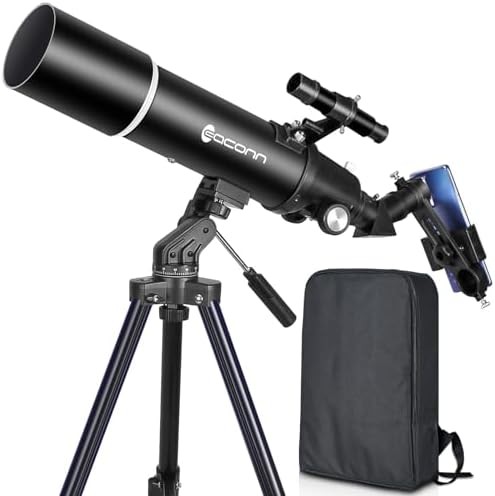 8.7
For adults For beginners Refractor For kids For travel
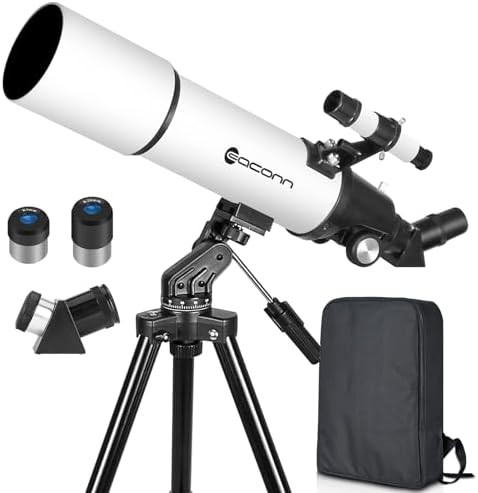 8.7
For adults For beginners Refractor For kids For travel
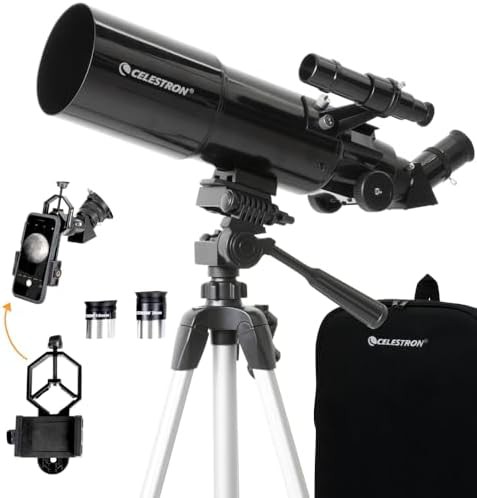 8.6
For adults For beginners Refractor For kids For moon viewing
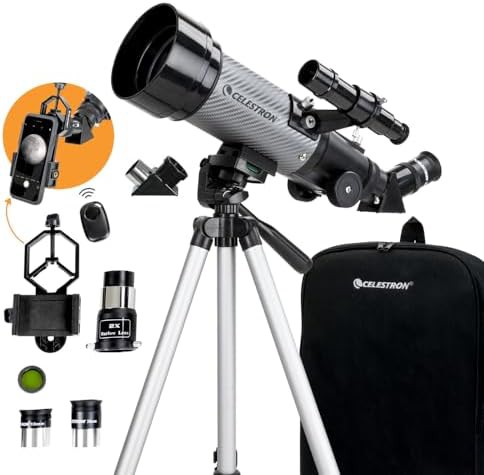 8.6
For adults For beginners Refractor For kids For moon viewing
 8.6
 8.6
For adults For beginners For kids Tripod included For travel
 8.5
For adults For beginners For kids For moon viewing For travel
 8.5
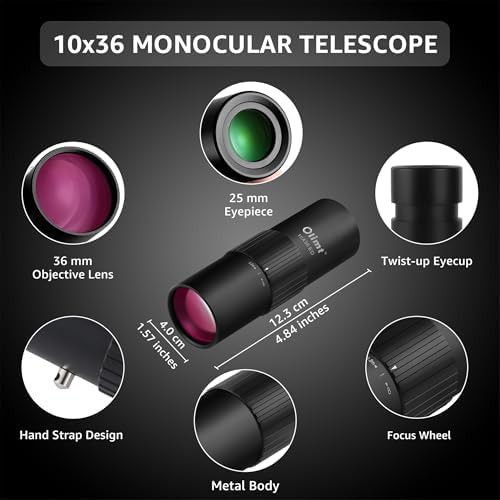
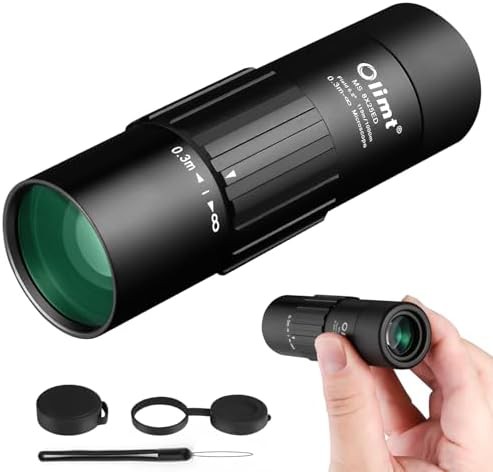
For adults For kids For travel Budget Monocular
 8.5
For adults For beginners For kids Tripod included For travel
 8.5
For adults For beginners For kids Tripod included For travel
 8.5
For beginners For kids For moon viewing Tripod included With phone adapter
 8.5
For adults For beginners Refractor For kids Tripod included
 8.4
For adults For beginners Refractor Tripod included With phone adapter
 8.3
 8.3
For adults For beginners Refractor Tripod included For travel
 8.3
For adults For beginners Refractor For kids Tripod included
 8.3
For adults For beginners Refractor For kids Tripod included
 8.2
 8.2
For beginners For moon viewing Dobsonian Tabletop mounts
 8.2
For adults For beginners For kids Tripod included 70mm aperture
 8.2
For adults For beginners Refractor For kids For moon viewing
 8.1
 8.1
For adults For travel Professional For bird watching Monocular
 8.0
For beginners Refractor For kids For moon viewing For bird watching
 7.9
For adults For beginners For kids For moon viewing For travel
 7.9
For adults Tripod included For travel With phone adapter 80mm aperture
 7.8
 7.7
Refractor For travel 60mm aperture Budget
 7.5
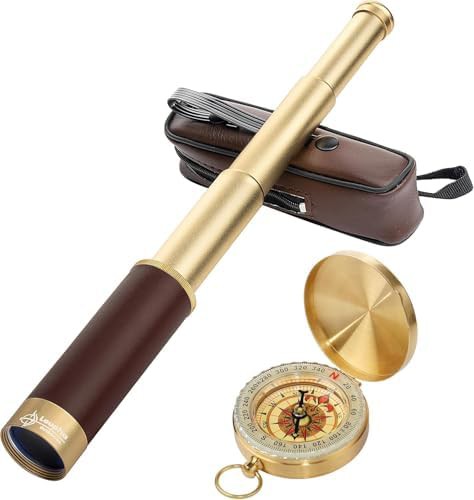
14" Leather For travel Budget For bird watching
 7.5
For beginners Refractor For kids For travel Budget
 7.5
For adults Refractor For kids For moon viewing Tripod included
 7.4
For adults For beginners Refractor For kids For moon viewing
 7.4
For adults For beginners Refractor For kids For moon viewing
 7.4
For adults For beginners Refractor For kids For moon viewing
 7.1
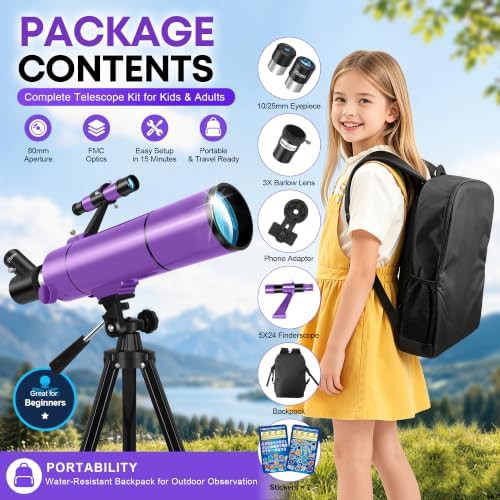
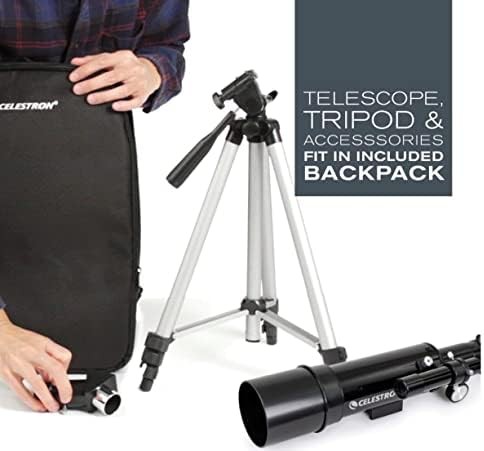
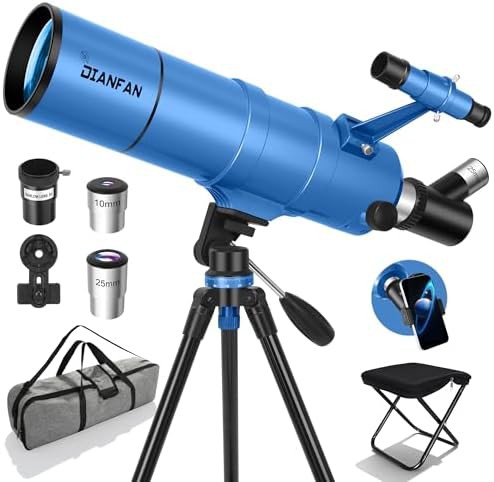
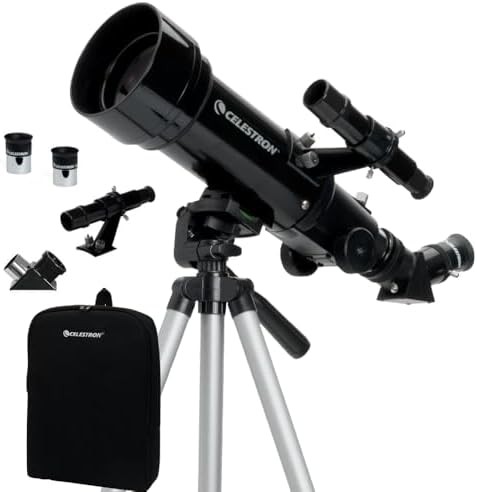
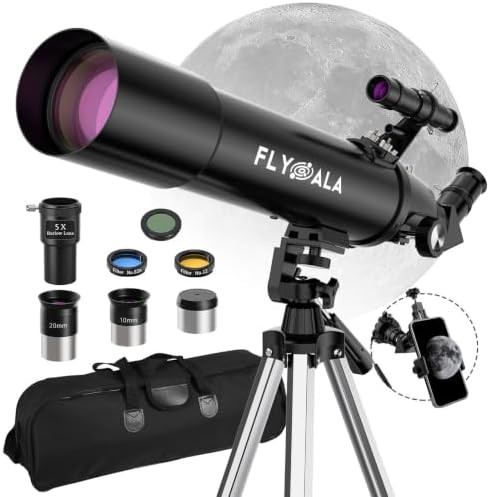
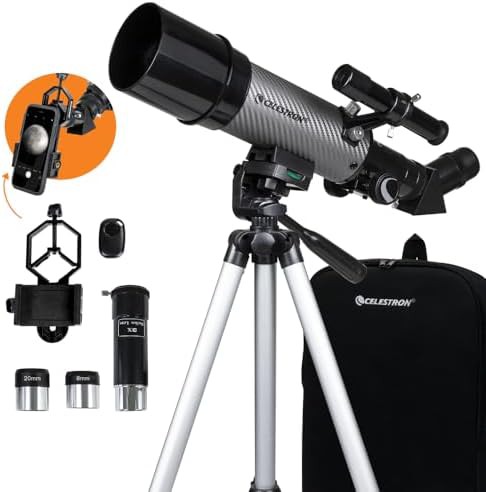
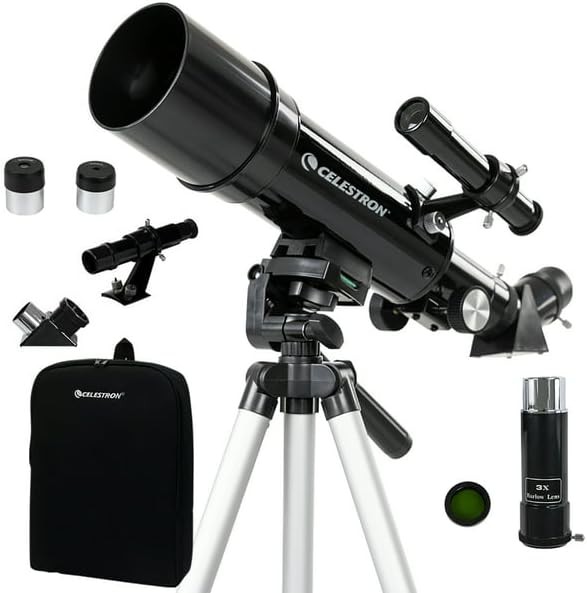
The 60mm and 70mm travel refractors fit into an included backpack along with the tripod and accessories. The 80mm and 102mm models break down into a carry bag but take up more room.
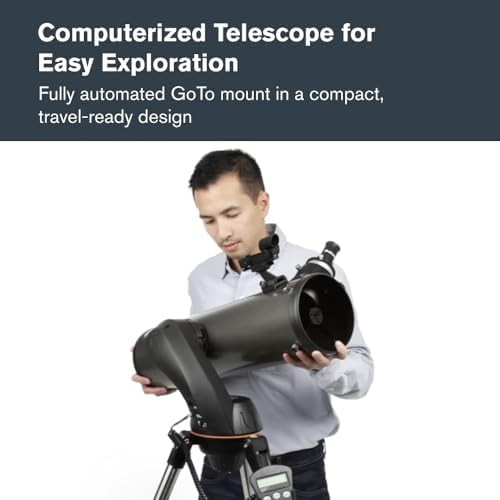
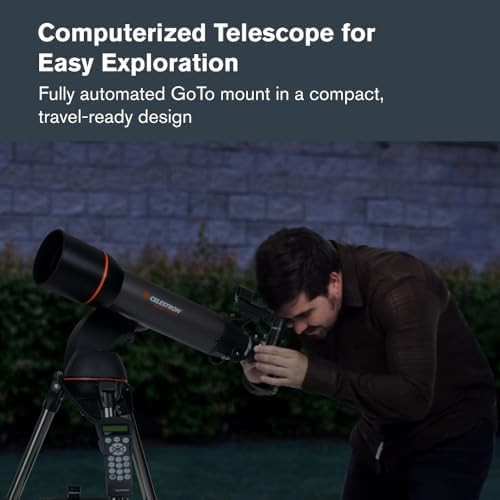
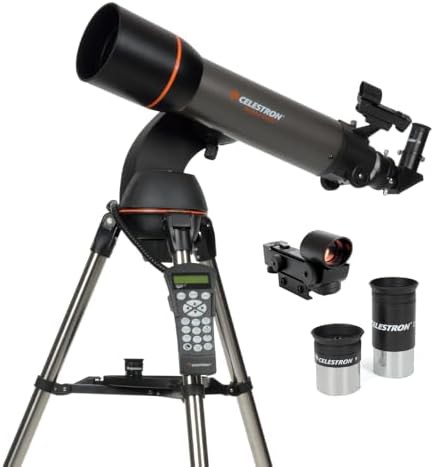
The computerized models, such as the 102mm and 130mm, use a hand control and alignment routine to follow objects. Manual travel refractors rely on you nudging the tube as the sky moves.
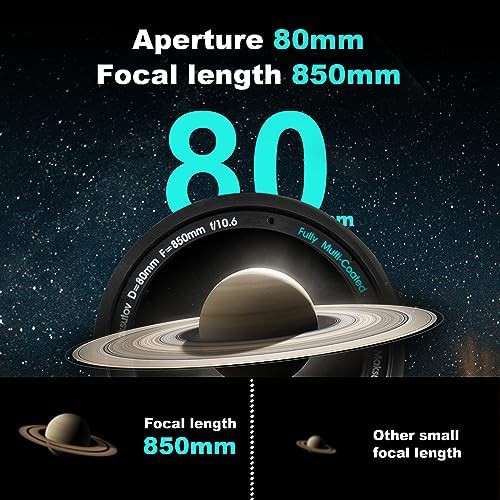
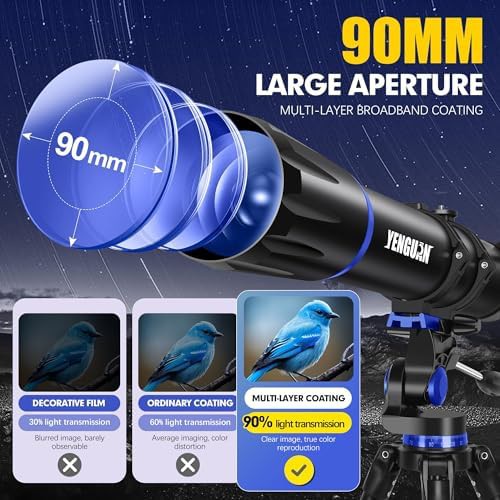
A 60mm to 80mm refractor shows the moon, bright planets, and some star clusters. Moving to 102mm or 130mm gathers more light but adds weight and setup steps.
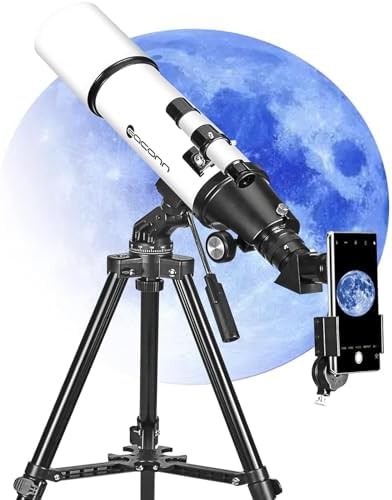
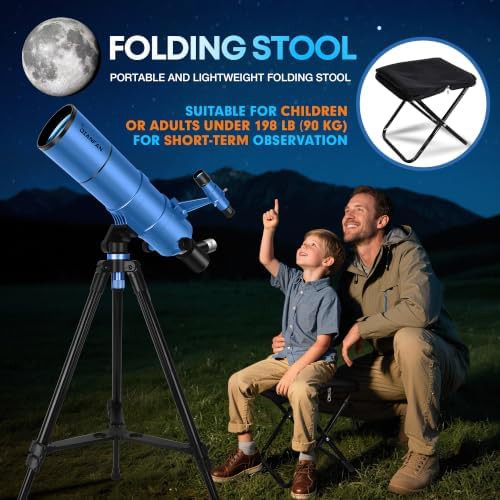
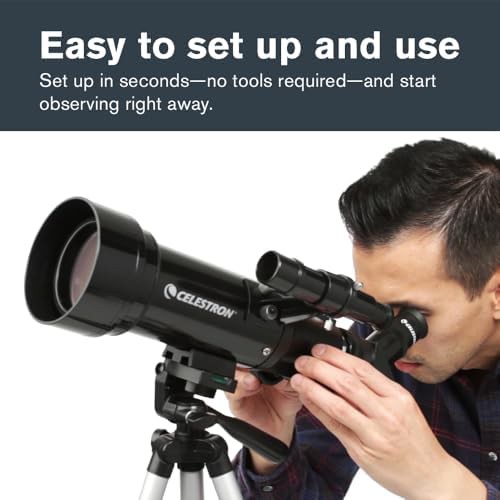
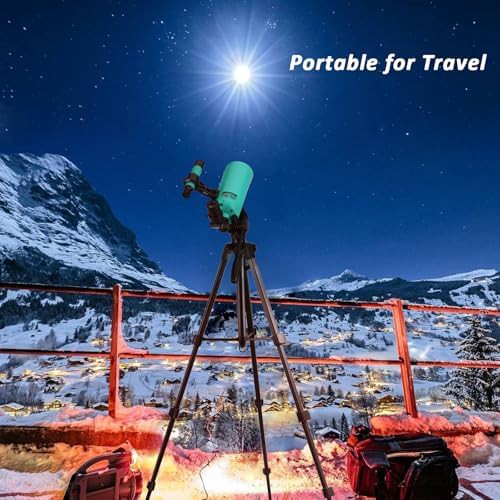
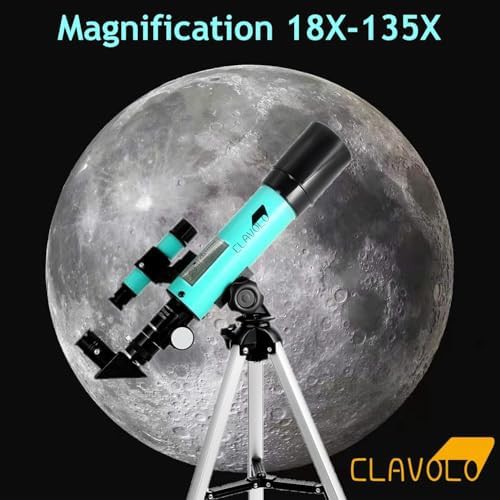
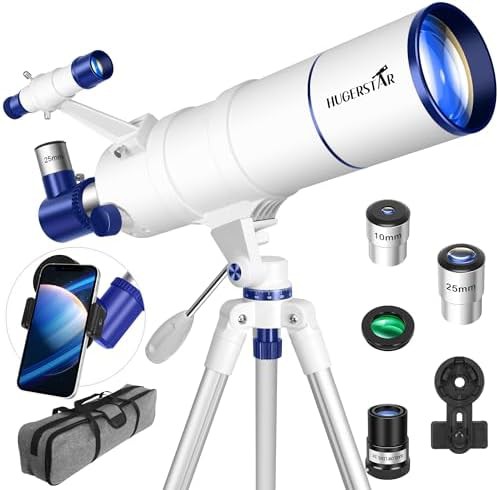
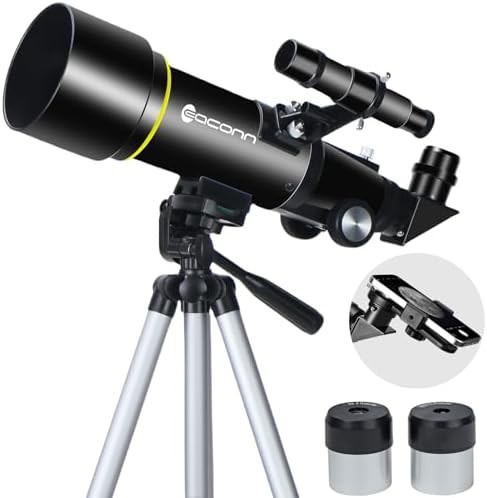
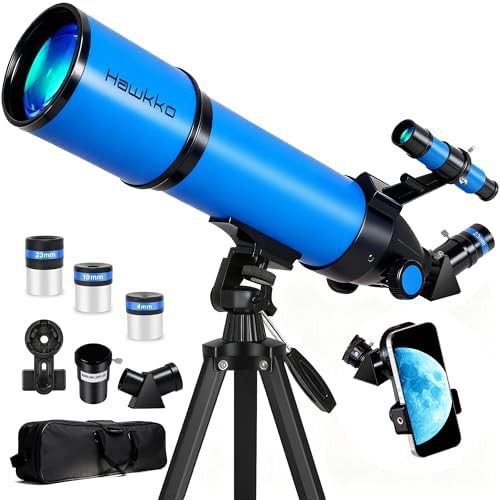
A portable telescope is one you can carry out the door in one trip and set up without a checklist. The travel-style refractors in this selection pack into a backpack, so the tube, tripod, and eyepieces move together. That matters when your observing spot is a park, a field, or a friend’s yard rather than your own driveway.
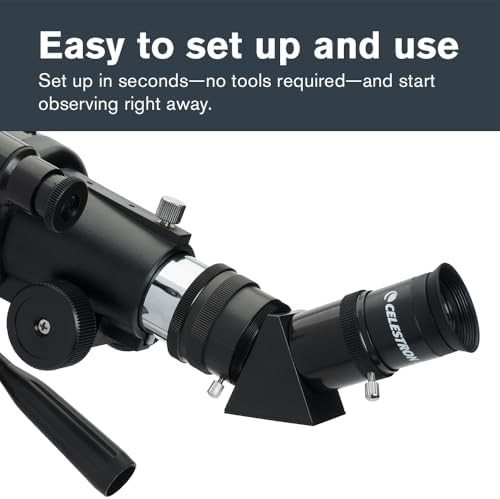
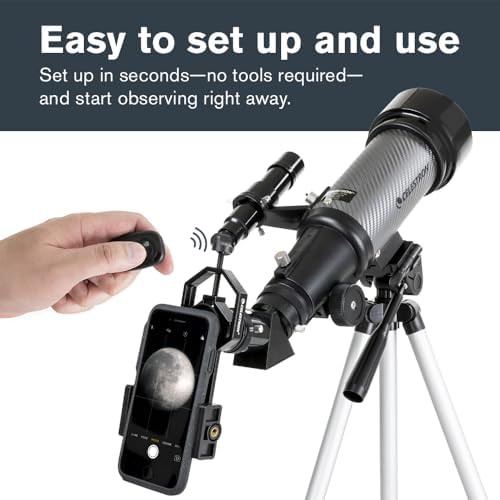
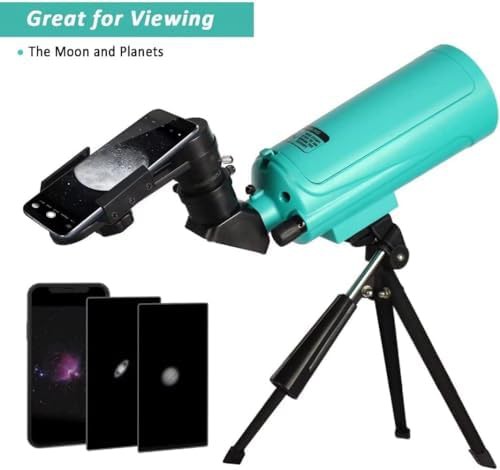
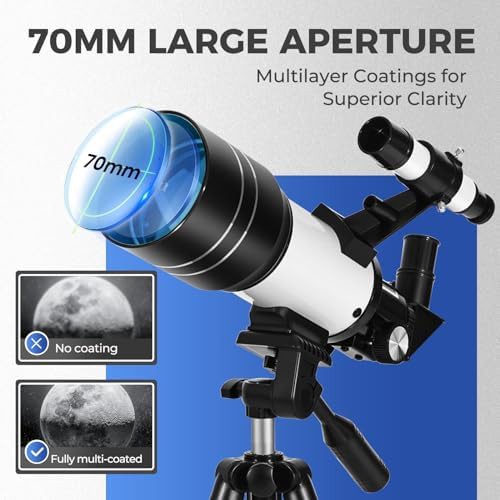
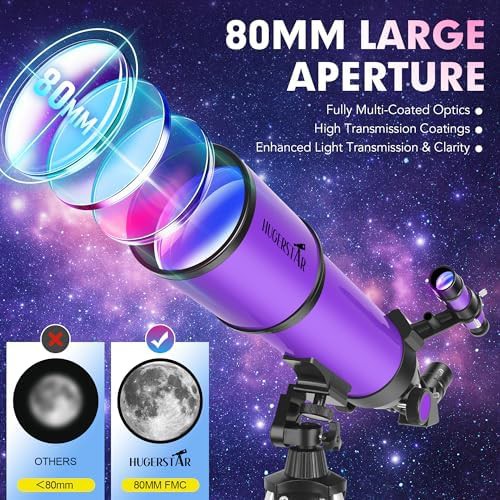
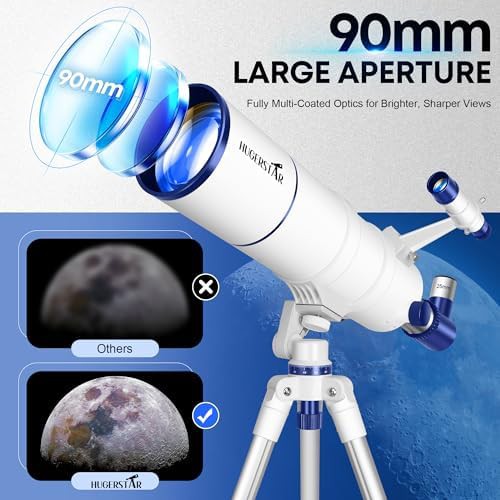
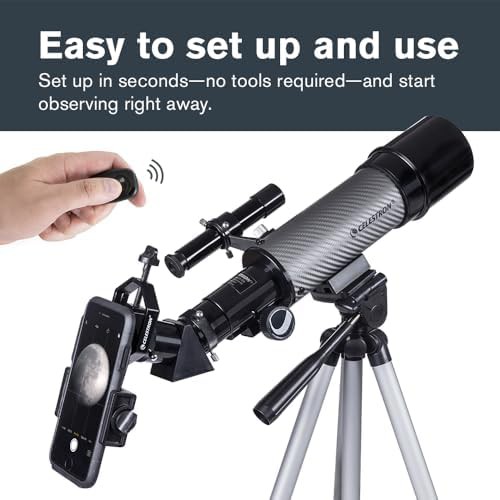
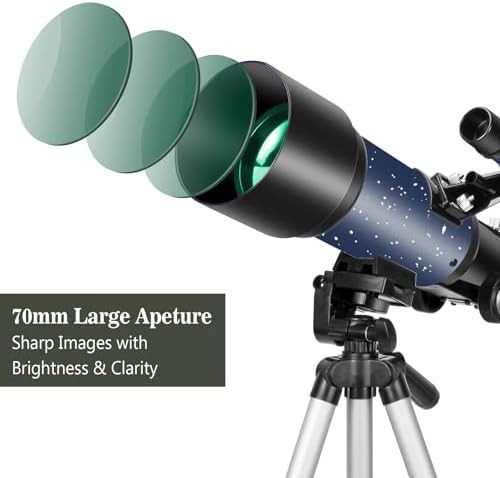
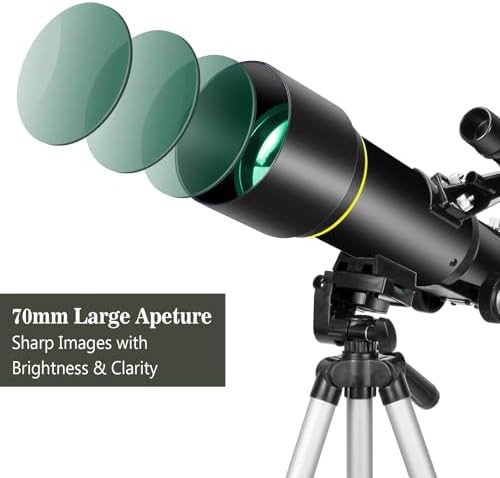
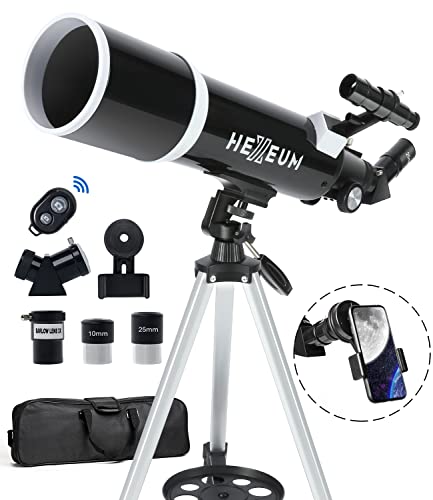
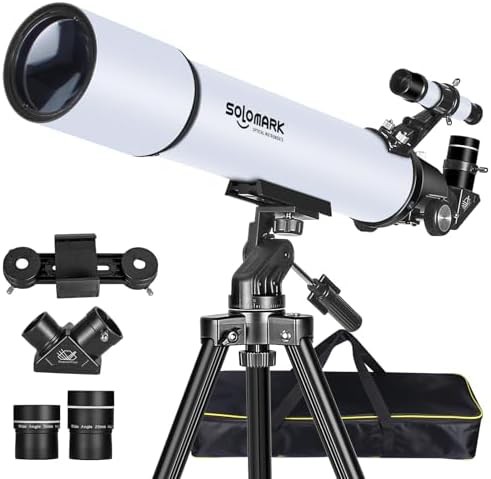
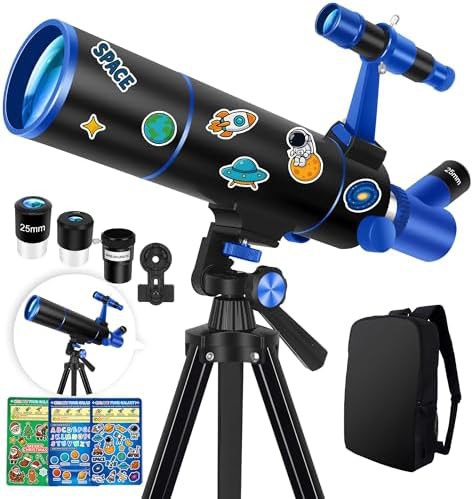
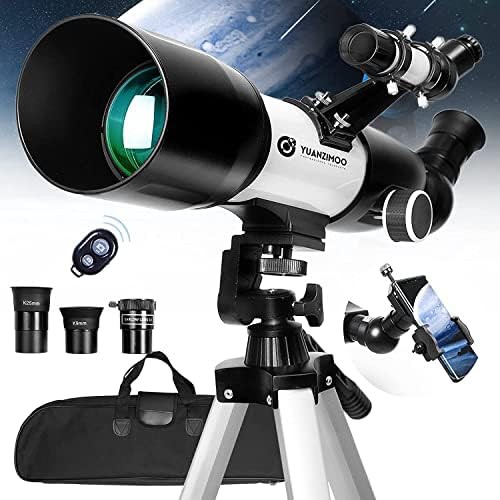
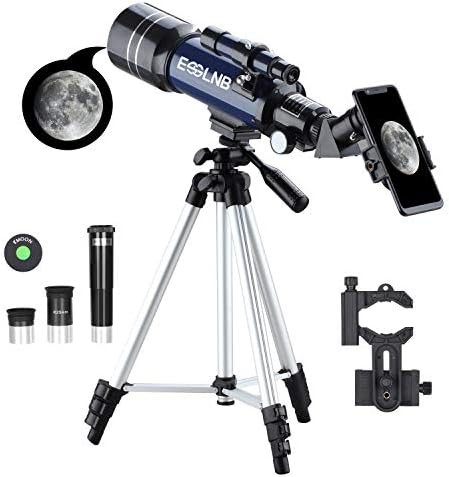
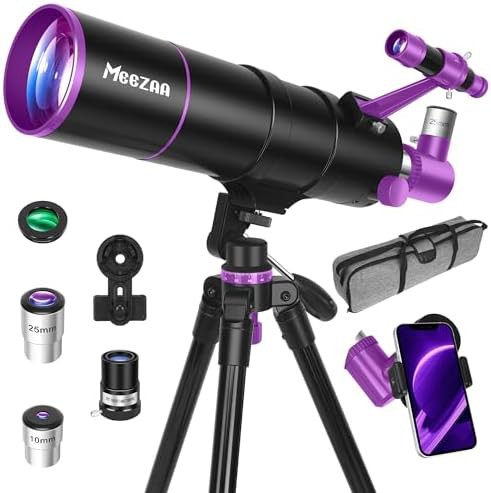
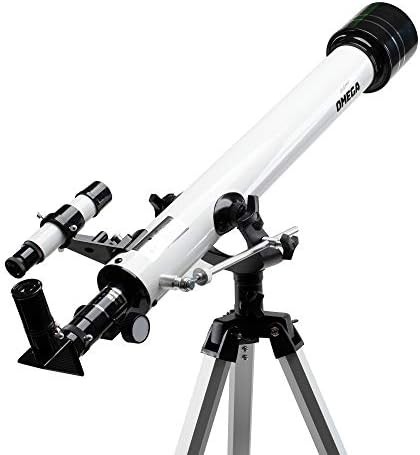
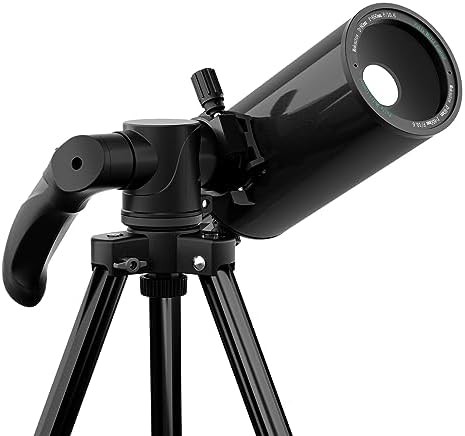
The 60mm and 70mm refractors use a short tube and a lightweight alt-azimuth mount that folds down small. Kits include a backpack and, in some cases, a smartphone adapter, so the whole setup stays together. The 80mm and 102mm models step up in aperture and tripod size but still break down into a carry bag or a compact form.
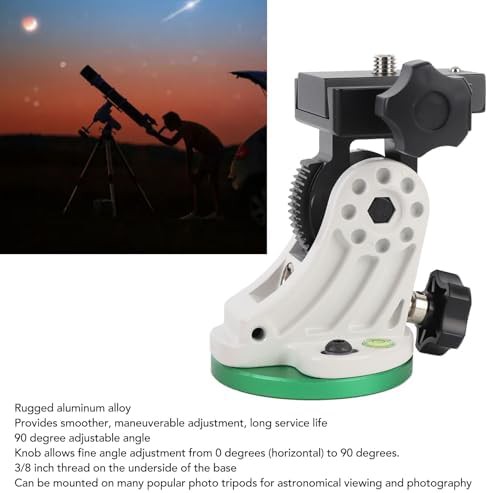
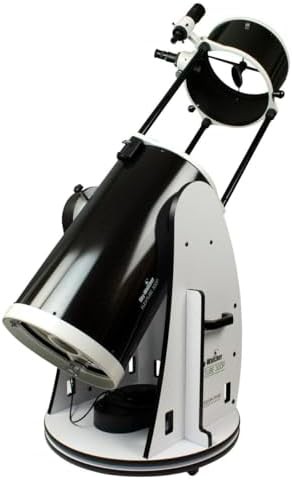
A portable mount trades stability for weight, so high magnification on a windy night will show more shake than a fixed tripod. The 130mm Newtonian on a computerized mount is portable in the sense that it moves, but it needs alignment and a power source before it tracks. If your observing is mostly from one spot, a heavier non-portable setup will hold a steadier image.