 9.4
Telescopes / For deep sky
This group
Deep Sky Telescopes
Checked 2026-10-24
Powerful systems built to find distant galaxies, nebulae, and star clusters 26 telescopes · 14 brands
For adults
For beginners
For kids
Refractor
For moon viewing
Portable
Tripod included
For travel
Budget
With phone adapter
Altazimuth mounts
90mm aperture
80mm aperture
Equatorial mounts
Reflector
70mm aperture
Professional
For bird watching
For deep sky
For astrophotography
600mm focal length
Black
Smart
Digital
Dobsonian
800mm focal length
Monocular
400mm focal length
White
50mm aperture
STEM learning
Tabletop mounts
Maksutov-Cassegrain
130mm aperture
60mm aperture
900mm focal length
114mm aperture
300mm focal length
Blue
Waterproof
700mm focal length
Red
Green
Best Deep Sky Telescopes
9.4
 9.4
BuiltAstro
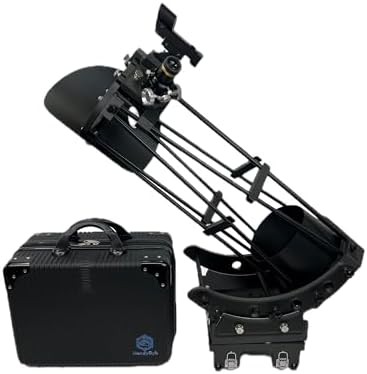
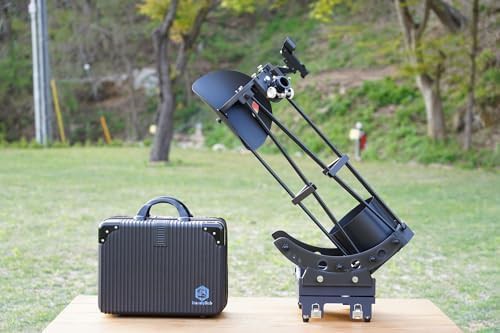
Portable six inch Dobsonian with light shroud
$815
For moon viewing Portable For travel Dobsonian
 9.2
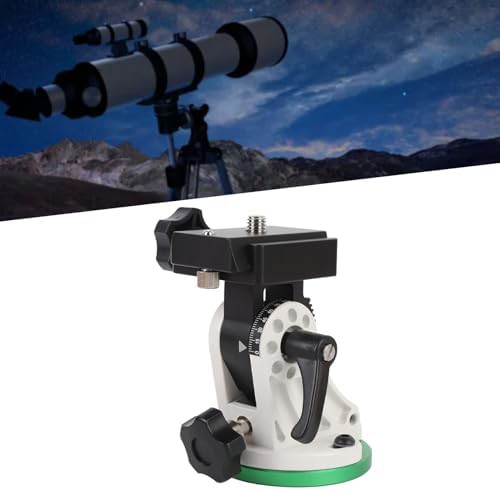
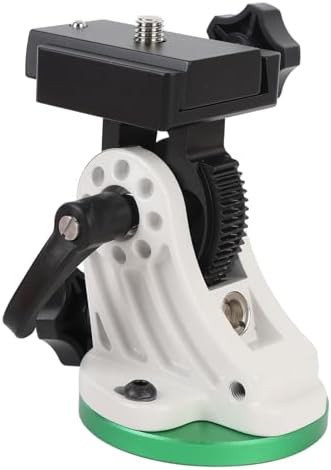
Jiawu
Aluminum equatorial base for nightscape photography
$94.65
For moon viewing Tripod included Equatorial mounts For astrophotography
 9.1
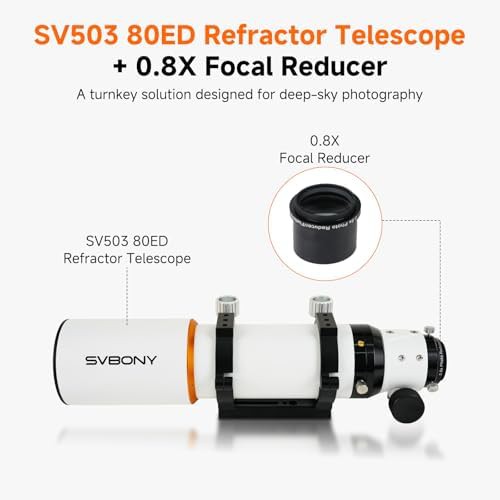
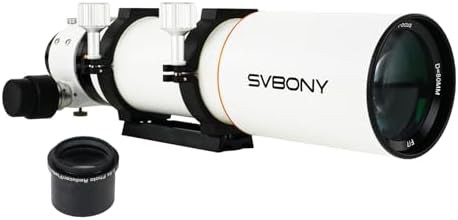
SVBONY
SVBONY SV503 upgraded ED refractor with 80mm lens
$430
Refractor 80mm aperture For astrophotography
 9.1
Koolpte
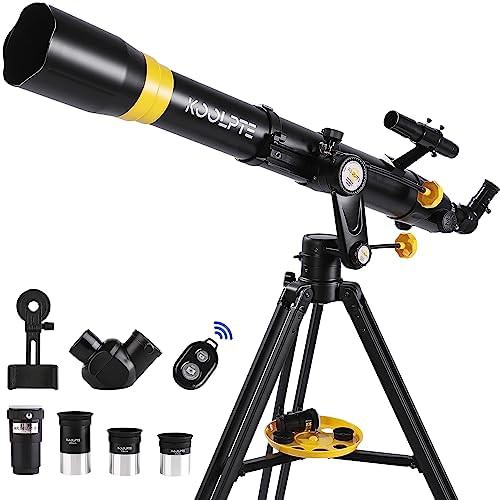
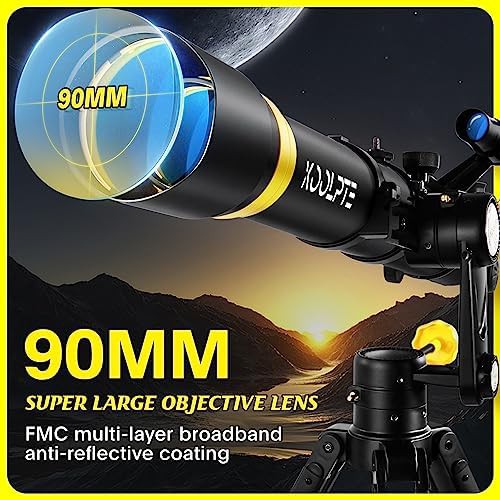
Black 90mm refractor telescope for deep sky
$250
Black For adults Refractor Altazimuth mounts 90mm aperture
 8.7
Celestron
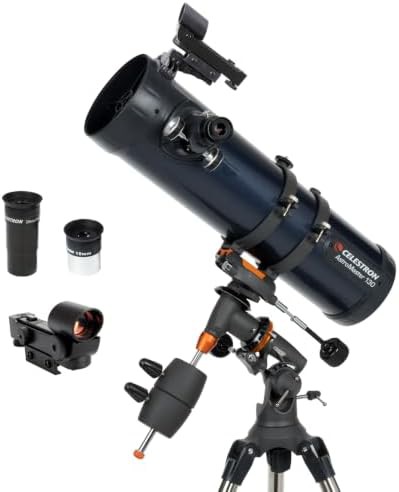
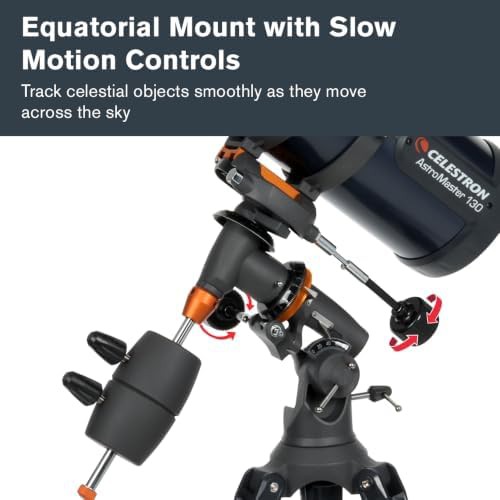
Reflector telescope with equatorial mount for deep sky
$290
For beginners Reflector Equatorial mounts 130mm aperture
 8.6
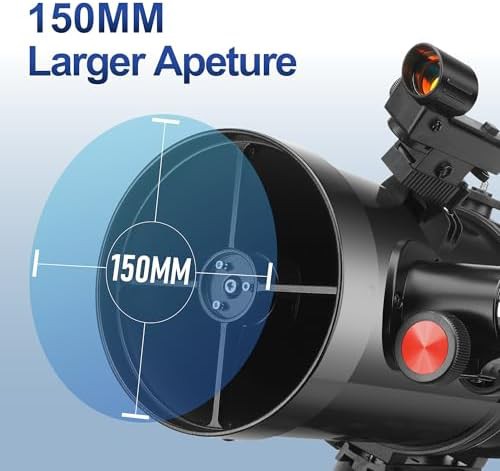
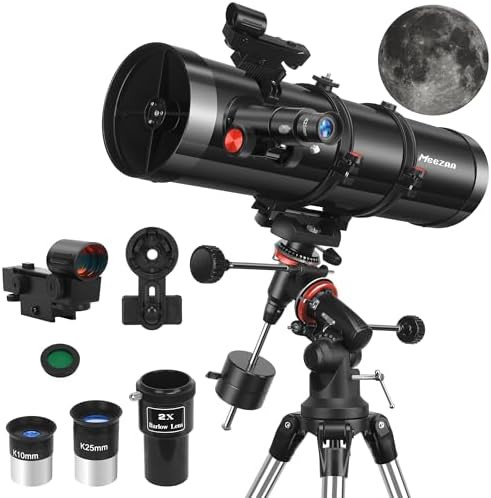
MEEZAA
Adult 150EQ reflector with equatorial system
$330
For adults For moon viewing Reflector Equatorial mounts
 8.6
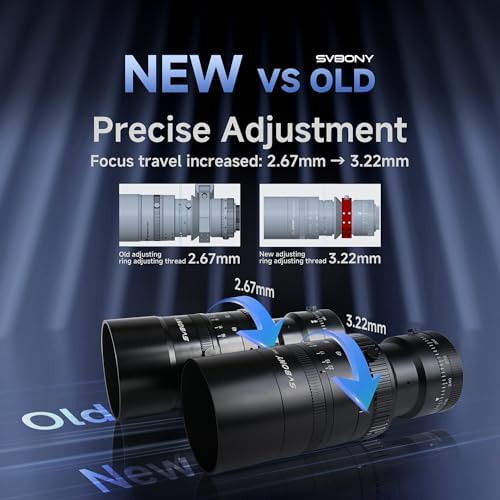
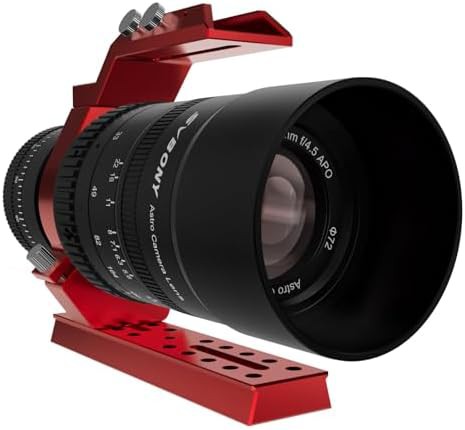
SVBONY
SVBONY SV555 APO astrophotography refractor telescope
$555
Refractor Professional For astrophotography
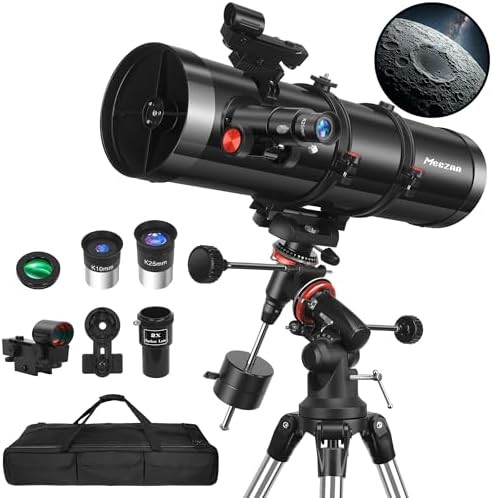 8.6
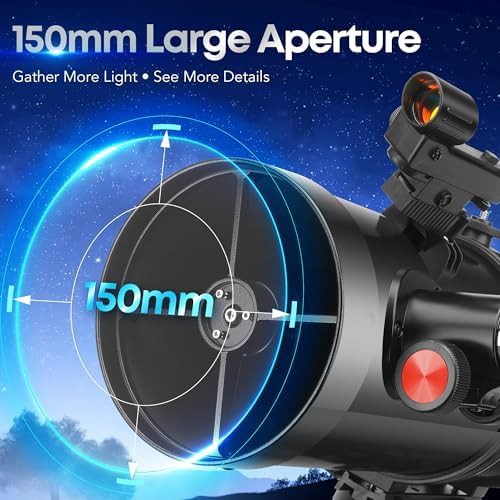
MEEZAA
Newtonian reflector with equatorial mount
$330
For adults For beginners For moon viewing Tripod included With phone adapter Reflector
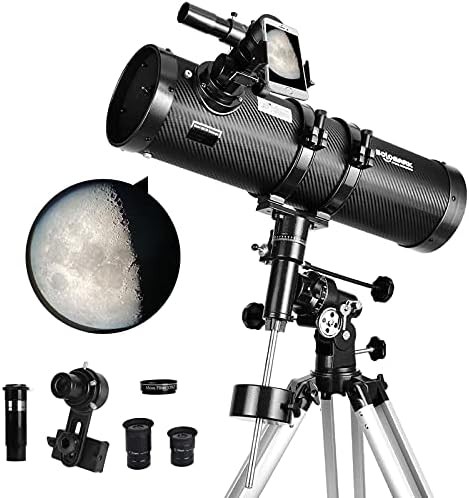 8.5
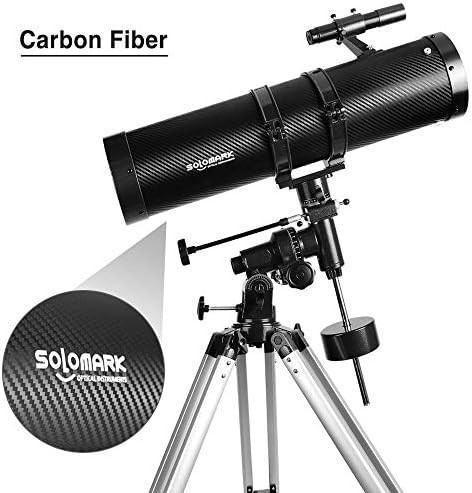
SOLOMARK
Newtonian reflector telescope with 130mm aperture and EQ mount
$270
For adults For moon viewing Reflector Equatorial mounts Professional
 8.3
 8.1
Celestron
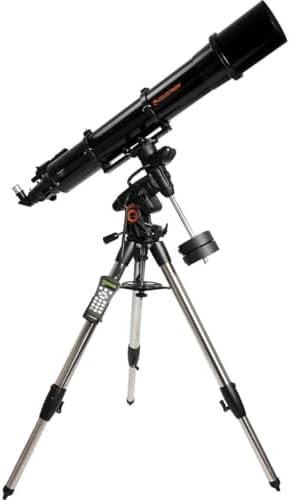
Six inch refractor with computerized equatorial mount
$1,899
Refractor For astrophotography
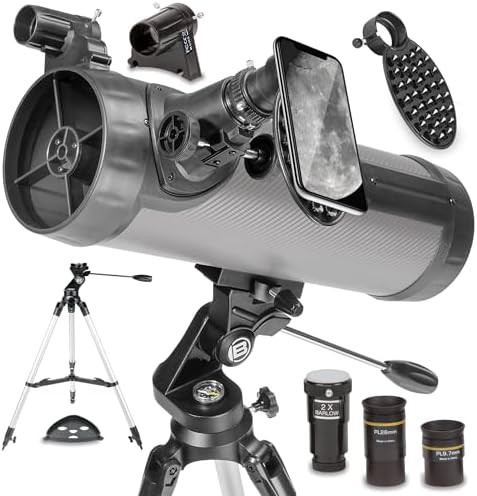 7.3
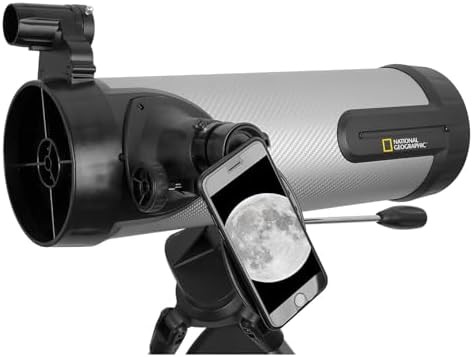
Explore Scientific
Reflector 114mm with smartphone adapter
$79.99
For moon viewing With phone adapter Reflector For astrophotography 114mm aperture
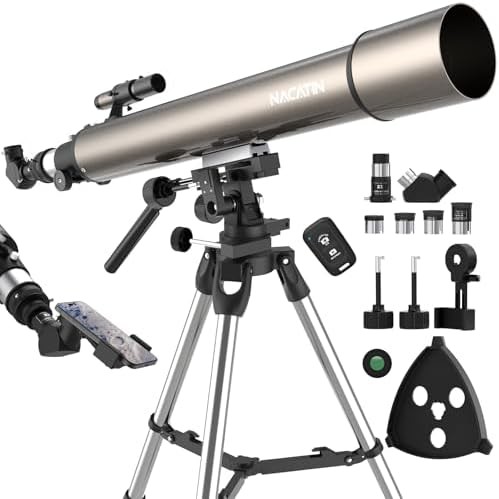 7.3
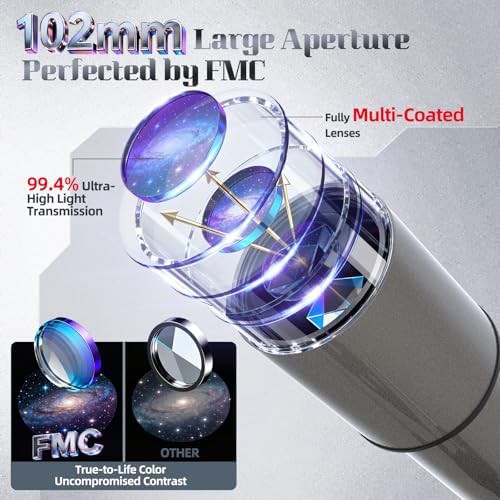
Ningbo Zhanjing OpticalInstruments
Refractor telescope with 102mm aperture for precise tracking
$300
For adults For moon viewing Professional 900mm focal length
 6.9
Explore Scientific
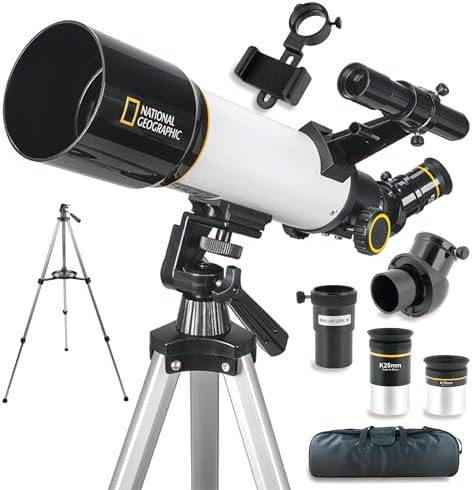
Sky View 70mm refractor panhandle mount
$39.99
For adults Refractor For kids For moon viewing 70mm aperture
 6.9
Shenzhen Lanyi Digital Technology
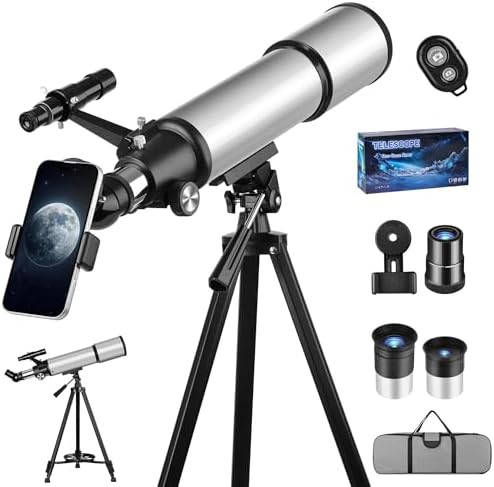
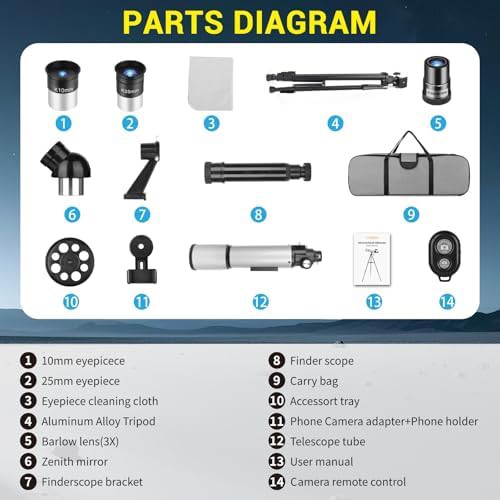
Refractor telescope with 90mm aperture and 600mm focal
$75.99
For adults For beginners Refractor 90mm aperture For astrophotography
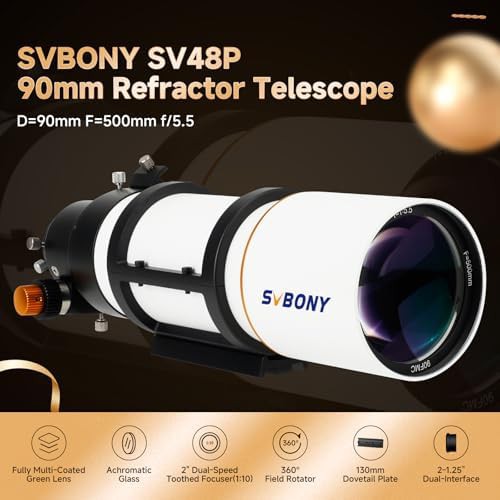
SVBONY
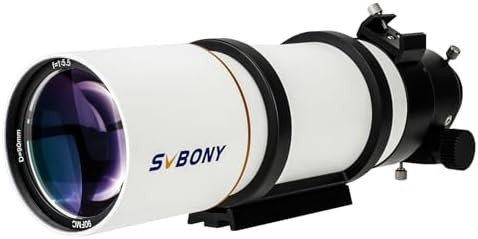
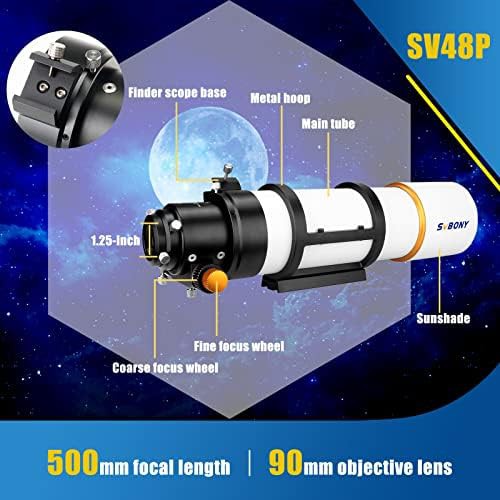
SVBONY SV48P 90mm aperture F5.5 refractor OTA
$230
For beginners Refractor For moon viewing 90mm aperture
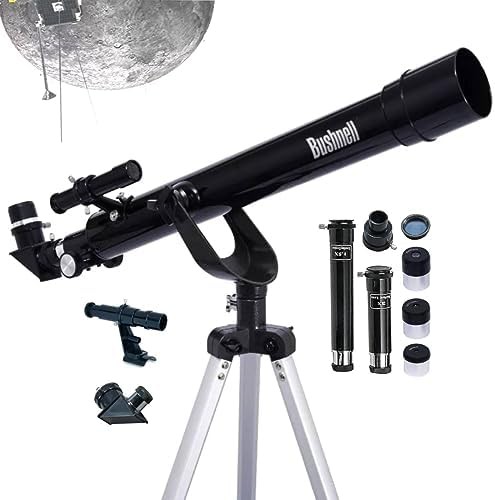
Bushnell
Deep space refractor with long focal length
$92.63
Refractor 600mm focal length 50mm aperture
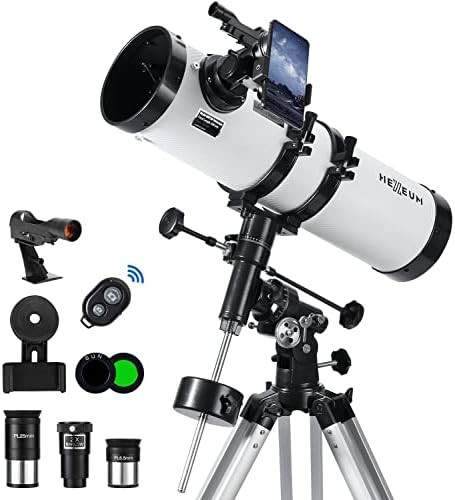
Koolpte
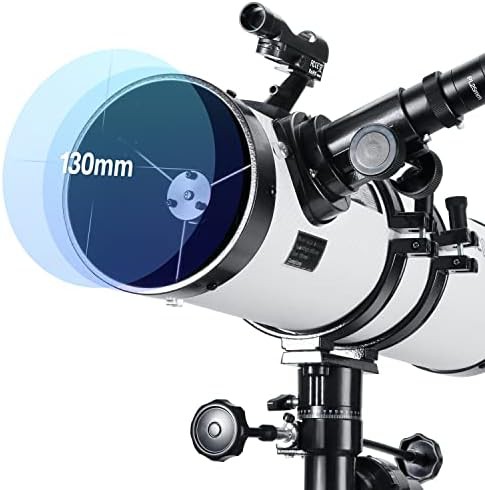
Reflector telescope with 130mm aperture and EQ mount
$250
For moon viewing Reflector Equatorial mounts 130mm aperture
SVBONY
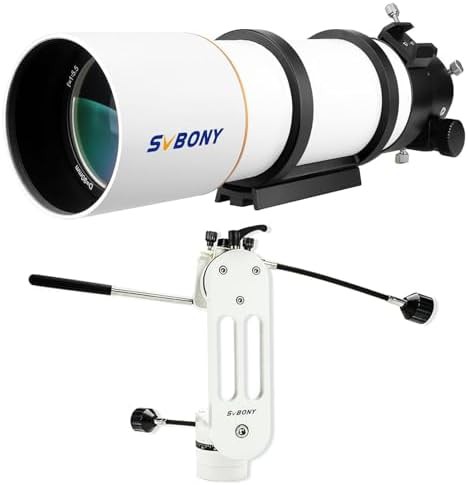
SVBONY 90mm refractor telescope with mount
$330
For adults For beginners Refractor For moon viewing Altazimuth mounts 90mm aperture
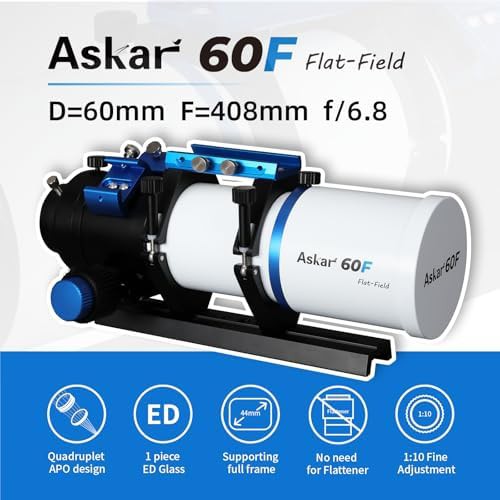
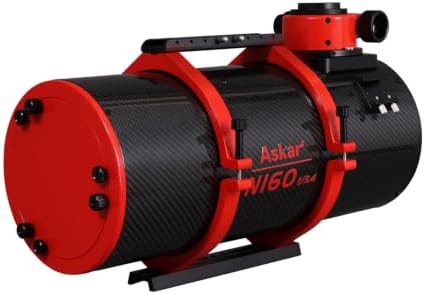
Askar
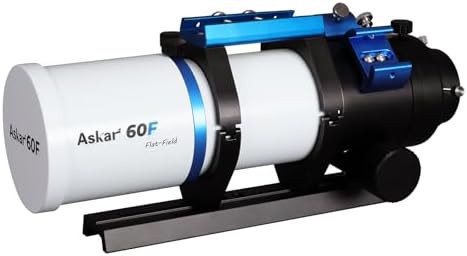
Portable 60mm flat field refractor telescope
$499
Refractor Portable For astrophotography 60mm aperture
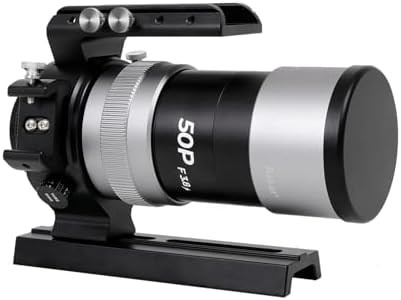
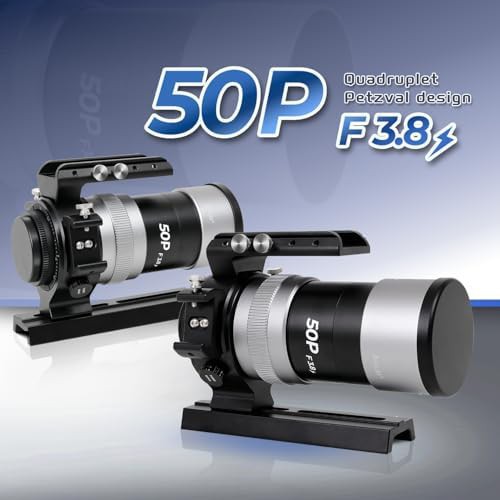
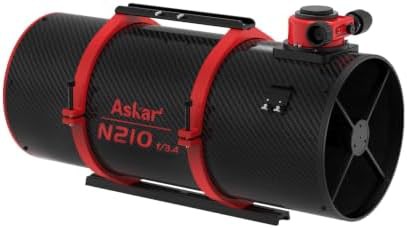
Askar
Professional 50mm quadruplet apo astrograph
$299
Refractor Portable Professional For astrophotography 50mm aperture
 7.7
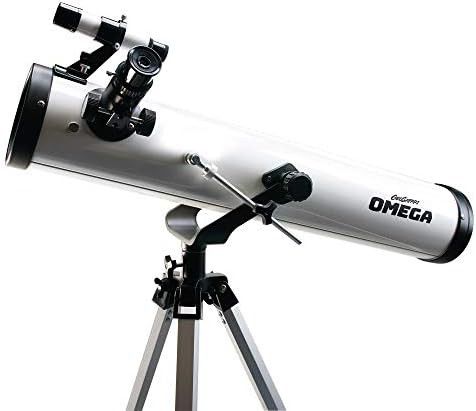
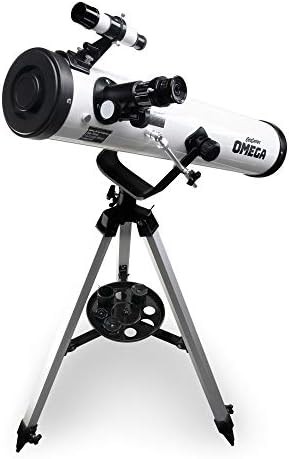
Educational Insights
Omega 700mm reflector for deep sky
For adults For beginners For kids For moon viewing Reflector
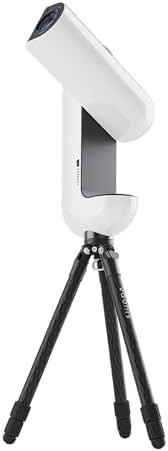
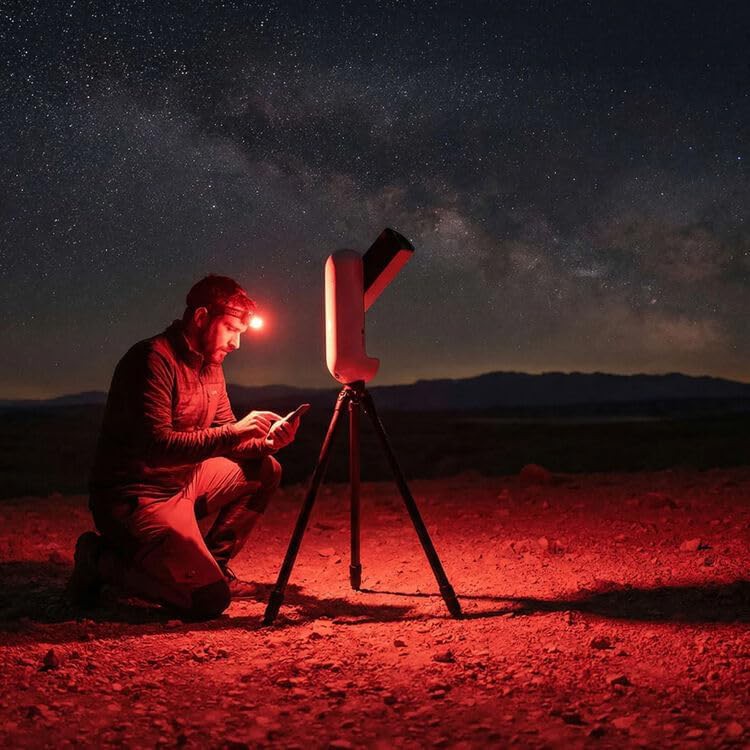
Vaonis
Smart astrophotography telescope with tripod
Tripod included Professional For astrophotography Smart
Before you buy
Deep sky telescope questions
What aperture do I need for deep-sky objects?
The Newtonian reflectors here are 130mm and 150mm, which gather enough light for galaxies and nebulae. The refractors range from 50mm to 102mm; the larger refractors work for brighter deep-sky targets. More aperture means fainter objects become visible, but it also means a heavier setup.
Are these telescopes good for astrophotography?
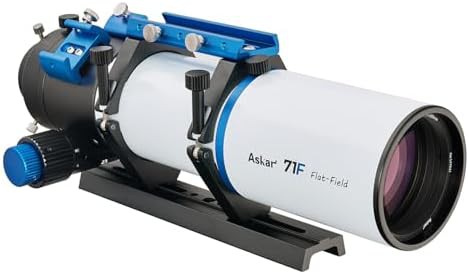
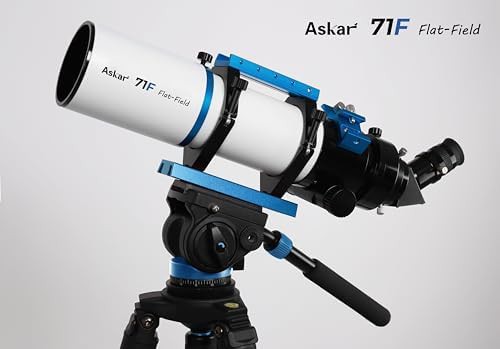
The 60mm, 50mm, and 71mm flat-field refractors with ED glass and quadruplet APO designs are built for deep-sky astrophotography. They include Vixen dovetail plates for mounting on a tracking mount. The Newtonians and the 102mm refractor are primarily visual instruments, though a phone adapter can be used for basic imaging.
What mount comes with these deep-sky telescopes?
The 130EQ and 150EQ Newtonians include equatorial mounts and tripods, which track the sky's rotation. The 102mm refractor uses a computerized alt-az mount with SkyAlign and a hand control. The flat-field APO refractors are optical tube assemblies only, with dovetail plates for a separate mount.
Can I use these for moon viewing instead?
Yes, all of these telescopes can show the moon, and the 130EQ includes a 13% transmission moon filter to cut glare. The 150EQ also lists a moon filter. For lunar detail, the longer focal length of the 150EQ or the 102mm refractor gives more magnification.
Light grasp and optical designs for faint objects
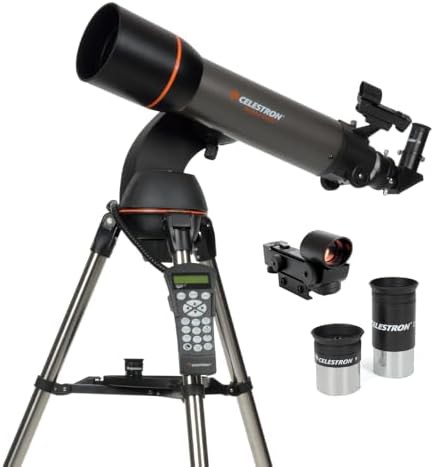
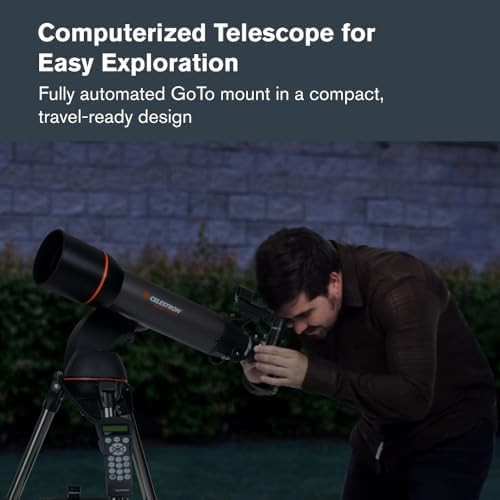
Deep-sky observing rewards aperture and optical quality, and the samples split into two approaches. Newtonian reflectors at 130mm and 150mm gather enough light to pull in galaxies and nebulae that smaller scopes miss, with equatorial mounts that let you track objects as they drift. The 102mm refractor on a computerized mount uses SkyAlign technology and a hand control to find targets automatically, which helps when you are hunting objects too faint to star-hop to easily.
Flat-field and APO refractors for imaging
The 60mm, 50mm, and 71mm flat-field refractors use ED glass and quadruplet air-spaced APO designs, with Vixen dovetail plates for mounting. These are built for deep-sky astrophotography and visual astronomy, where flat fields and color correction matter for capturing nebulae and star clusters. The 50mm F3.8 is the fastest of the group, while the 60mm F6.8 and 71mm F6.9 trade some speed for a longer focal length.
If your goal is visual observing of faint fuzzies, the 130mm and 150mm Newtonians give you the most light for the money. If you want to photograph deep-sky objects, the APO refractors with ED glass and flat-field designs are the better match. The computerized 102mm refractor sits between the two, offering go-to finding for visual work without the imaging-specific optics.